Navigation Menu
Concept
- Exhibition as Spectacle: Can a photo exhibition function as an installation?
- Exhibition as Inquiry: How is the research theme demonstrated through the photography exhibition?
- Exhibition as Art Object: Should a photograph be exhibited as a work of art?
- Exceptions Conclusion
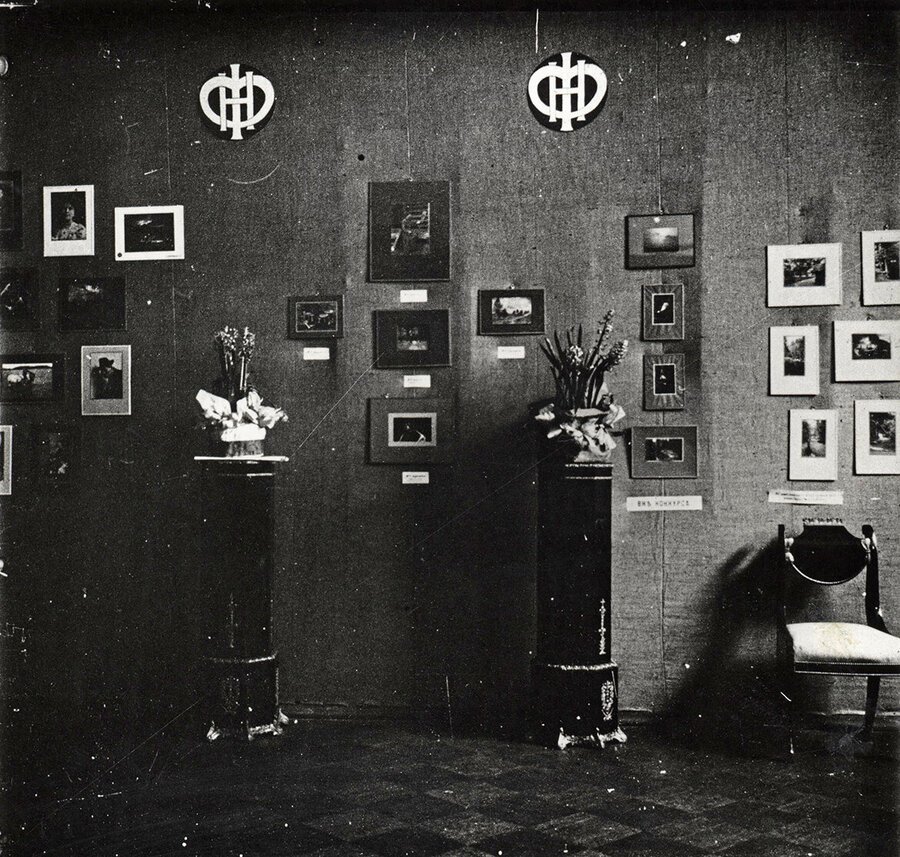
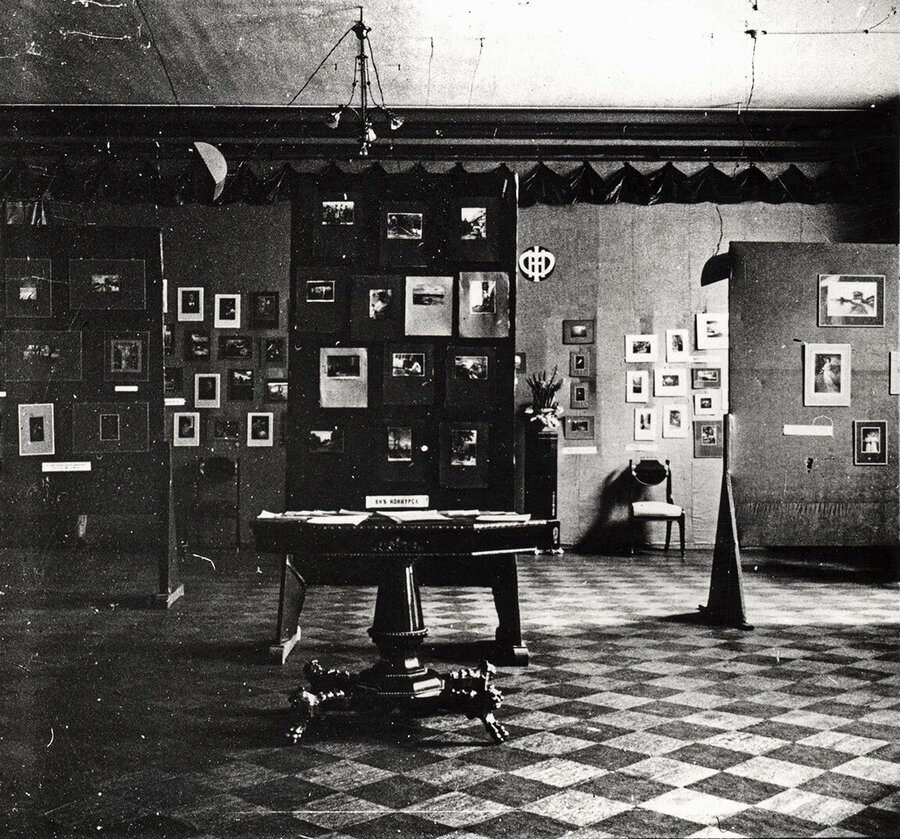
One of the first photographic exhibitions curated by the magazine «Photographic News.» Russia. Year: 1911
Concept
I am beginning this study with one of the first photography exhibitions in Russia from 1911. The photographs are displayed haphazardly; there is no structure or unified exhibition style—we were shown exactly what was photographed. However, the way artworks are presented at exhibitions has evolved over time. In this study, I want to understand: is there an «ideal» way to display photographs? What themes do we encounter in photo exhibitions: those featuring portrait photography, animals, plants and landscapes, objects and various subjects, archival and amateur photographs, series of architectural photos, and so on? For each series, it is necessary to understand what will best emphasize the author’s concept and how best to present the material—whether in the form of an investigation or a spectacle. In this study, I aim to determine the best method for exhibiting photographs.
We previously discussed the themes for the photography exhibitions, but they also have a specific format. Generally, there are two exhibition formats: permanent and temporary. In the rooms featuring permanent photo exhibitions, the presentation of materials is restrained and minimalist, but in the rooms with temporary materials, the presentation transitions from a static exhibition to an art object or installation. I am interested in identifying the optimal way to showcase and perceive objects by comparing minimalist rooms with white walls and subtle lighting to performance pieces created from static material that engages with the surrounding environment. In my research, I address the following questions: Is there an «ideal» way to exhibit photography? Should a photo exhibition be entertaining and verge on becoming an art object? I gather answers to these questions through photo reports from the websites of contemporary photographers and curators, such as Erik Kessels.
It is important to understand whether the photographer’s message is lost when a curator styles an exhibition with additional attributes—elements that, on one hand, distract from the theme, but on the other, emphasize it even more vividly. Should an exhibition be designed for entertainment to aid in material retention, or should contemporary conceptual photographs be presented in a quiet atmosphere, focusing solely on the exhibition itself?
In my visual research, I aim to understand which approach is more effective: displaying photographic works against a neutral background or creating an interaction with elements related to the exhibition’s theme. The utility of my selection and the work overall will be a concise guide for creating one’s own photo exhibition, synthesizing and refining information gathered from past shows. Using this information, one can determine the appropriate wall color, display size, supplemental elements that amplify the photographers' concepts, spacing between pieces, and lighting (whether accent lighting is necessary or if only natural light should be used). Naturally, it all depends on the photographic theme, but the research itself can be transformed into an art object, and the viewing experience can evolve into a structured presentation of information.
The George Eastman Museum. The First International Museum of Photography and Film, the George Eastman Museum.
1. Exhibition as Spectacle: Does a photography exhibition function as an installation?
The first chapter is primarily filled with curatorial projects by Dutch artist, curator, and photographer Erik Kessels. Usually, the photographs presented are new products displayed in an exhibition. However, if we take photographic works that draw attention to some global issue and divide them by half (sections 1–2), it is more likely to alienate the viewer. An installation of photographs on a sensitive topic can play negatively and may make the observer feel the material is being treated with disregard. But what if we start with photographs that were already created by someone else and left untouched, establish a rhythm of use, and focus on a theme that interests most people? For example, Erik Kessels takes archival photographs of people who resemble animals and displays them among the exhibits at the Riga Zoological Museum. He demonstrates the similarity between the human and animal worlds, pointing out obvious things that we fail to notice. In this case, the comparisons (section 10).
1.24HRS in Photos. Curator: Erik Kessels. Material: archival photographs. Location: Fotografiemuseum Amsterdam, Netherlands. Year: 2012
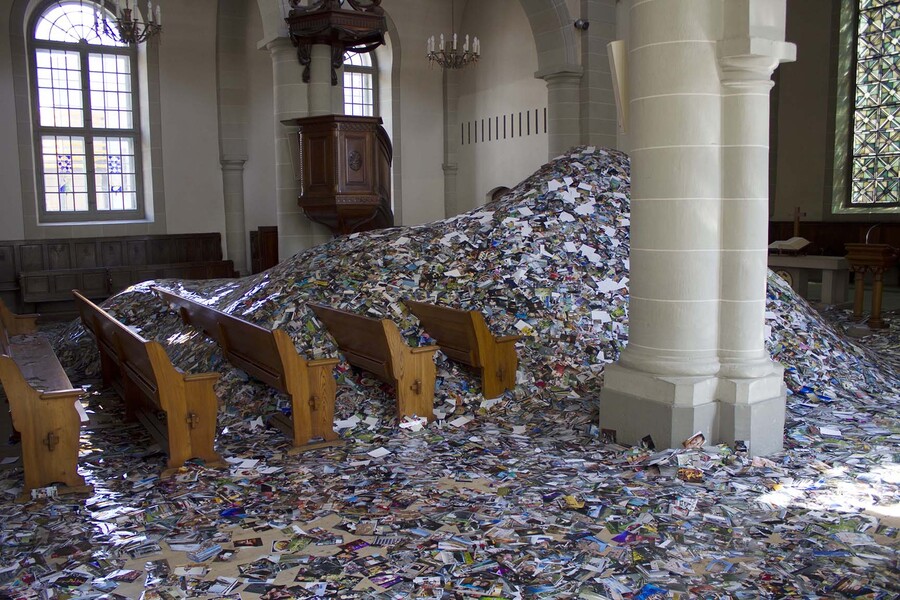
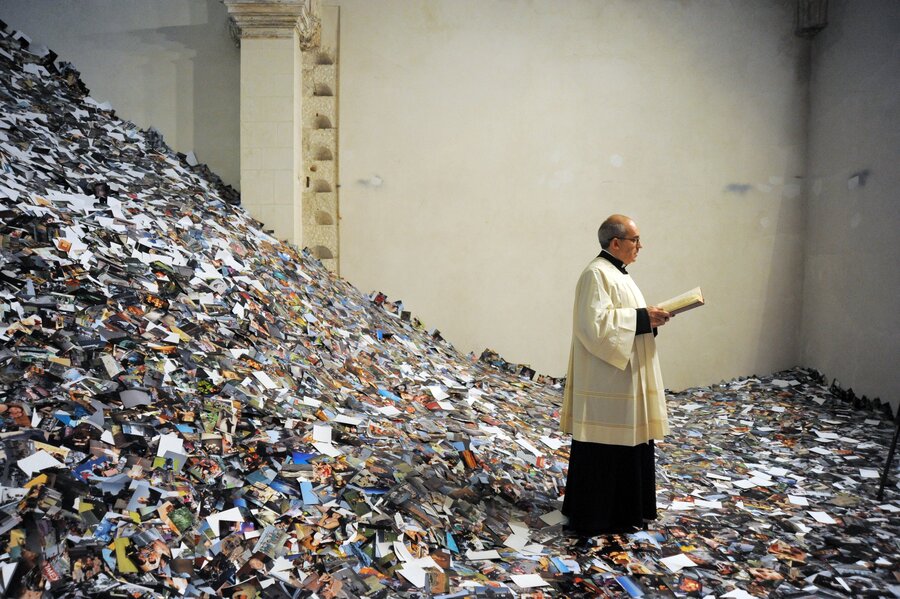
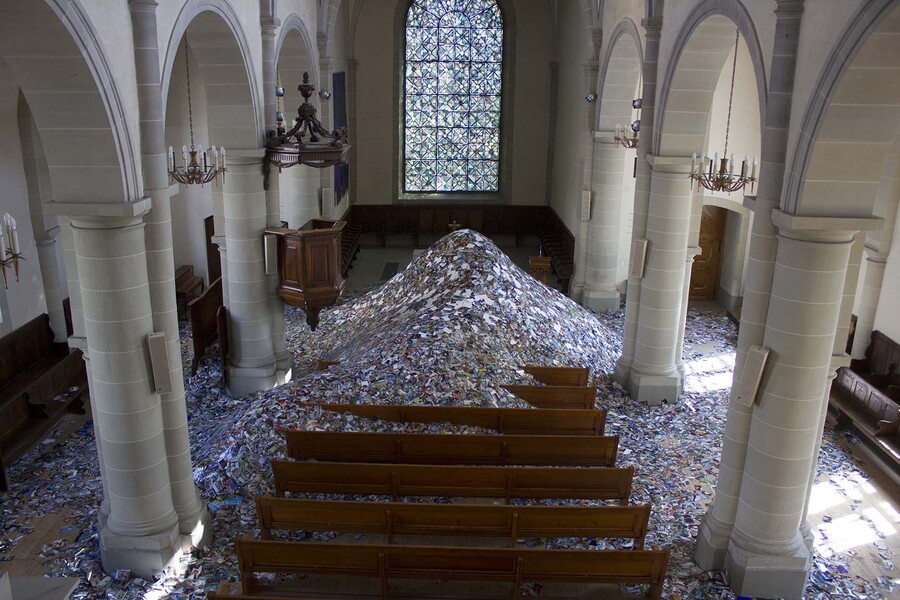
2.24HRS in Photos. Curator: Erik Kessels. Material: archive photographs. Location: Église réformée Sainte-Claire de Vevey, Switzerland. Year: -
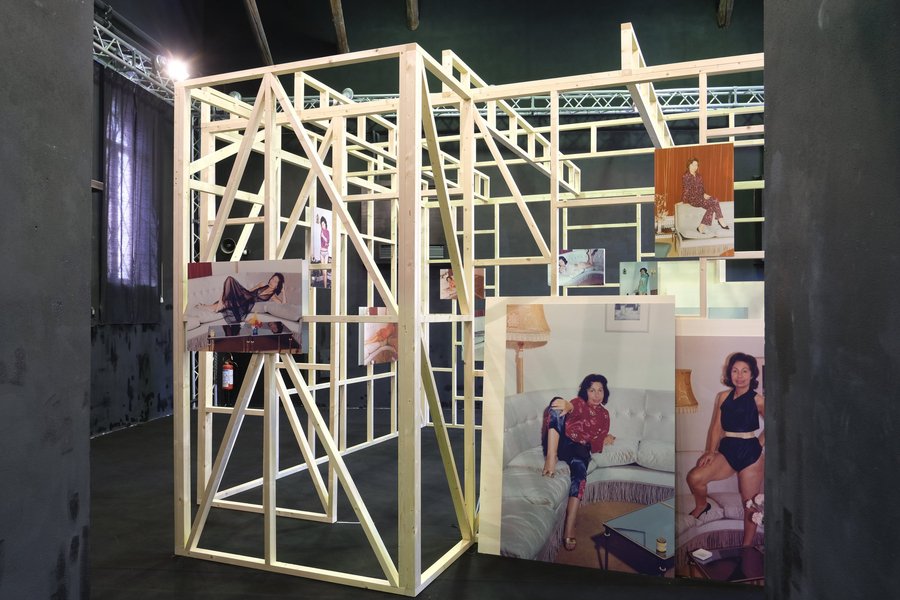
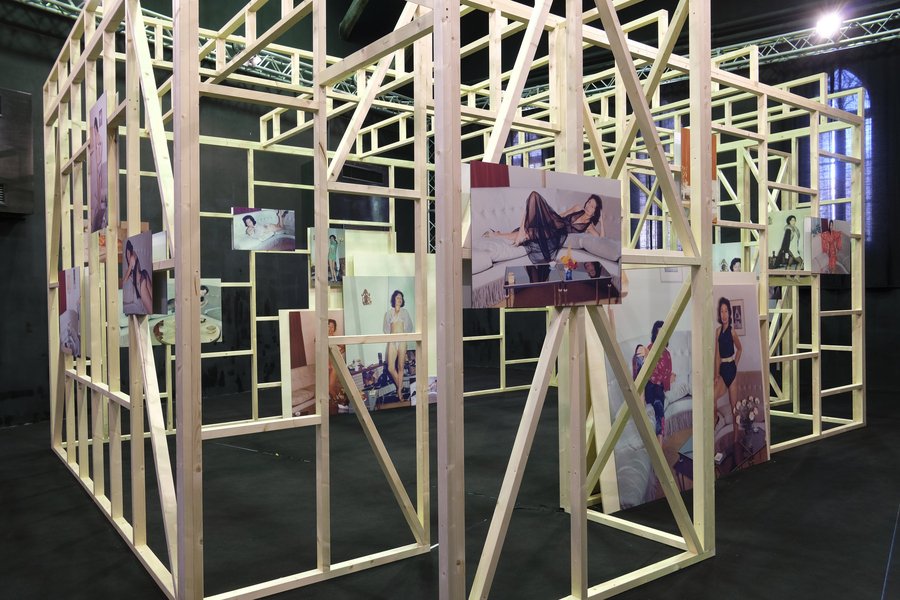
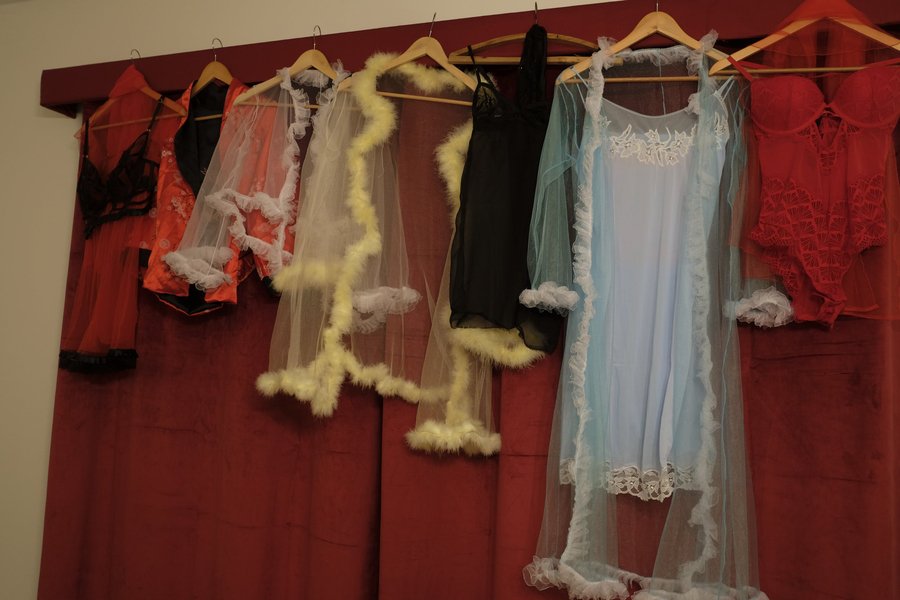
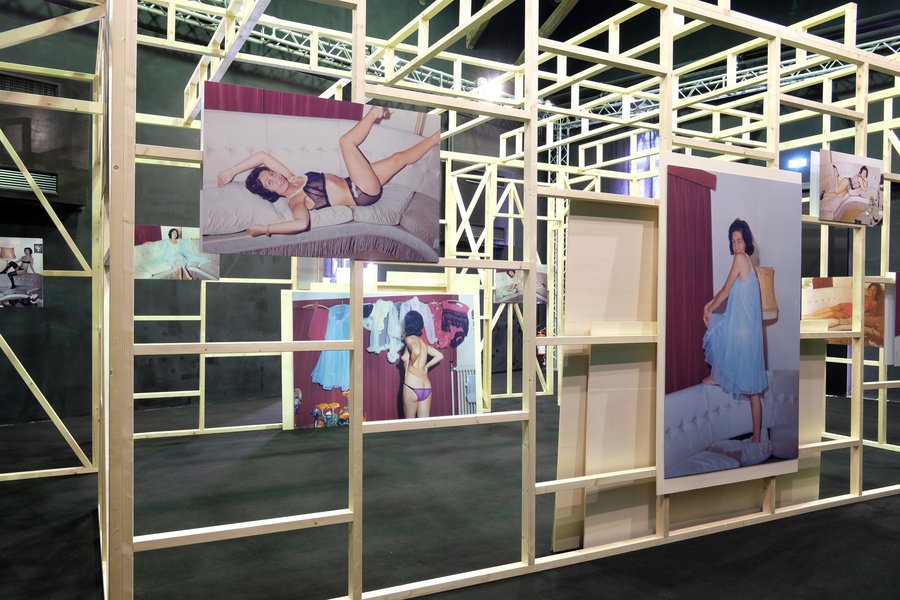
3.In Almost Every Picture #16. Curator: Erik Kessels. Material: archival photos by Noud and Ruby. Location: -. Year: -
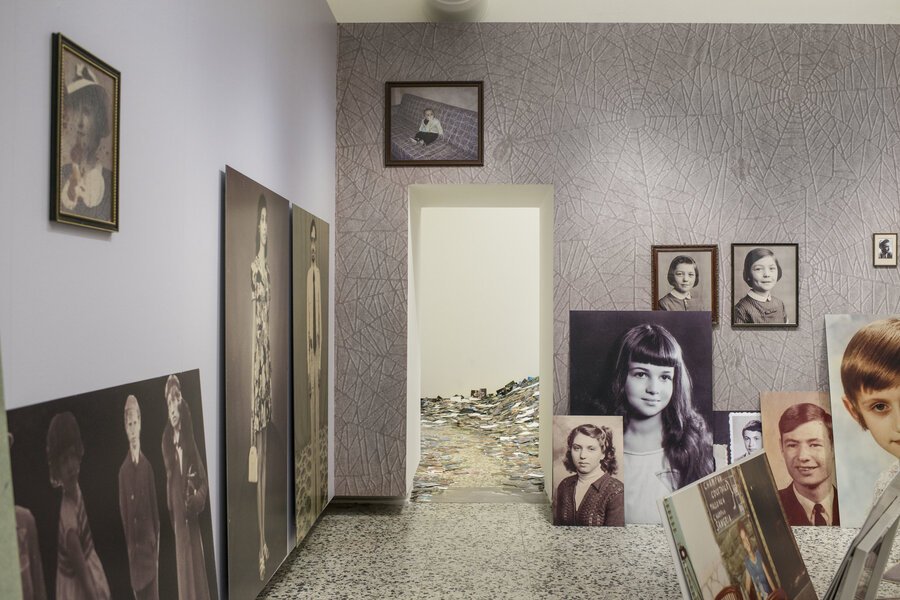
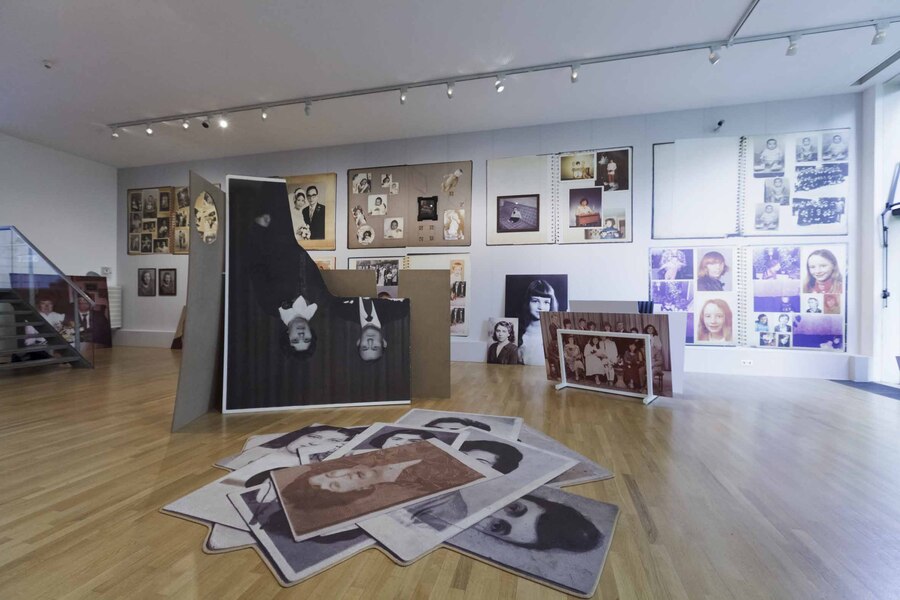
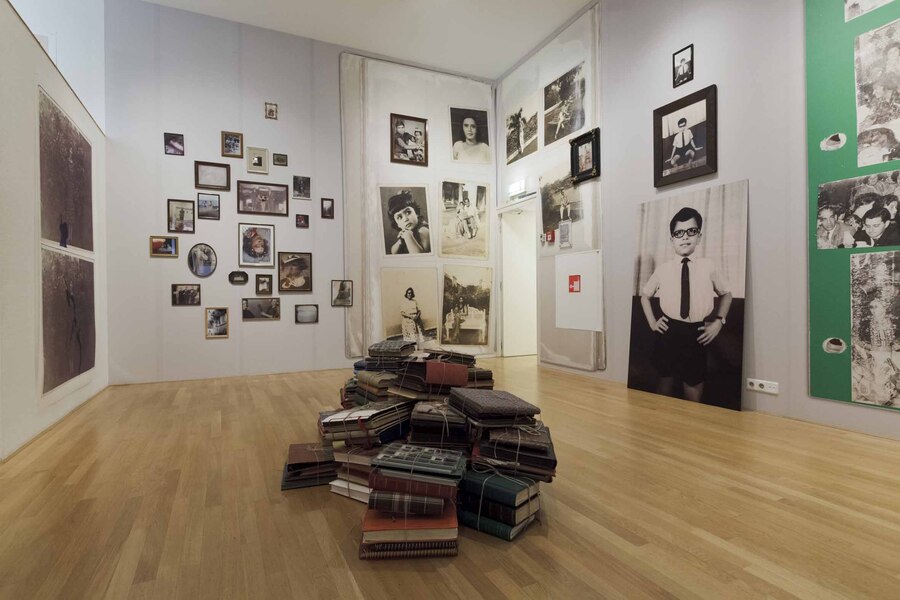
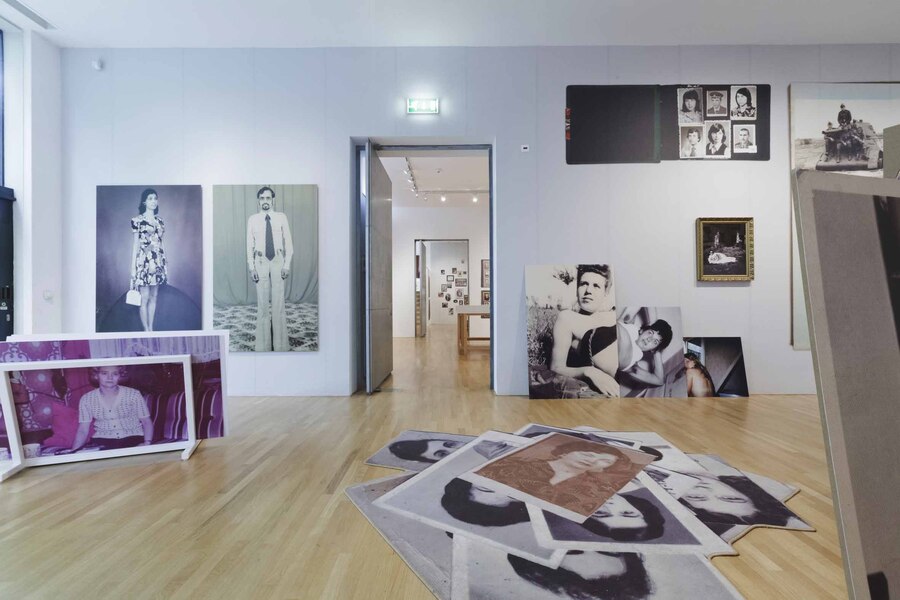
4. Album Beauty. Curator: Erik Kessels. Material: archival photographs. Location: Fotografiemuseum Amsterdam, Netherlands. Year: 2012
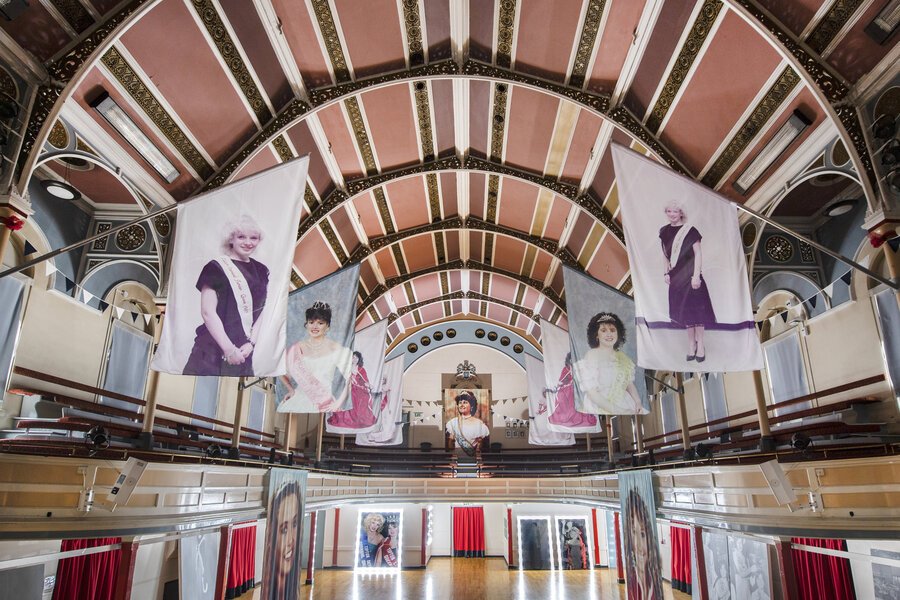
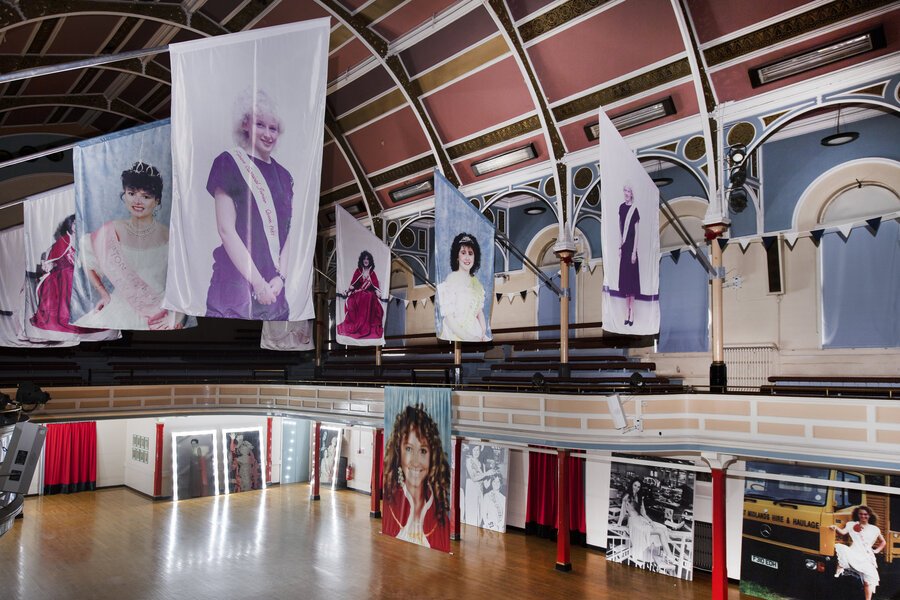
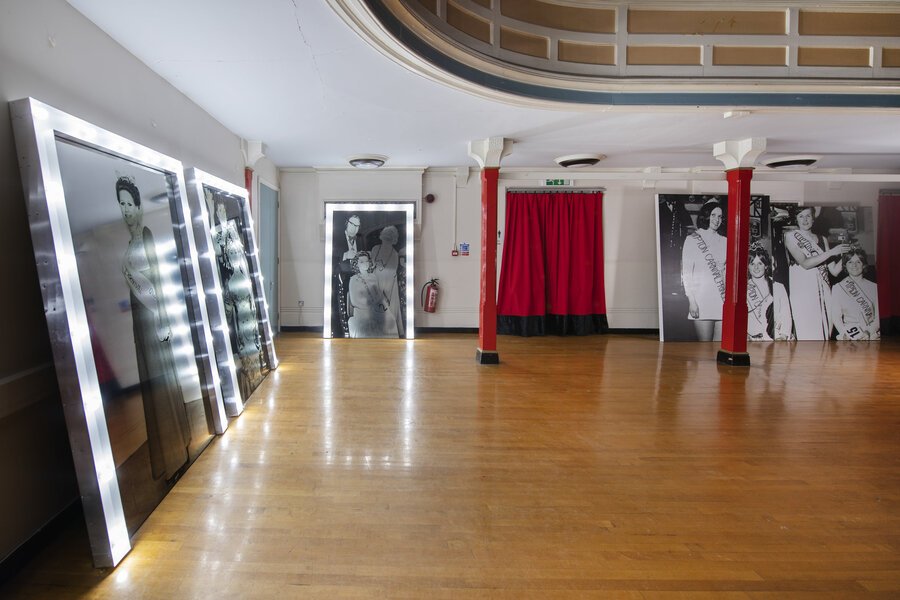
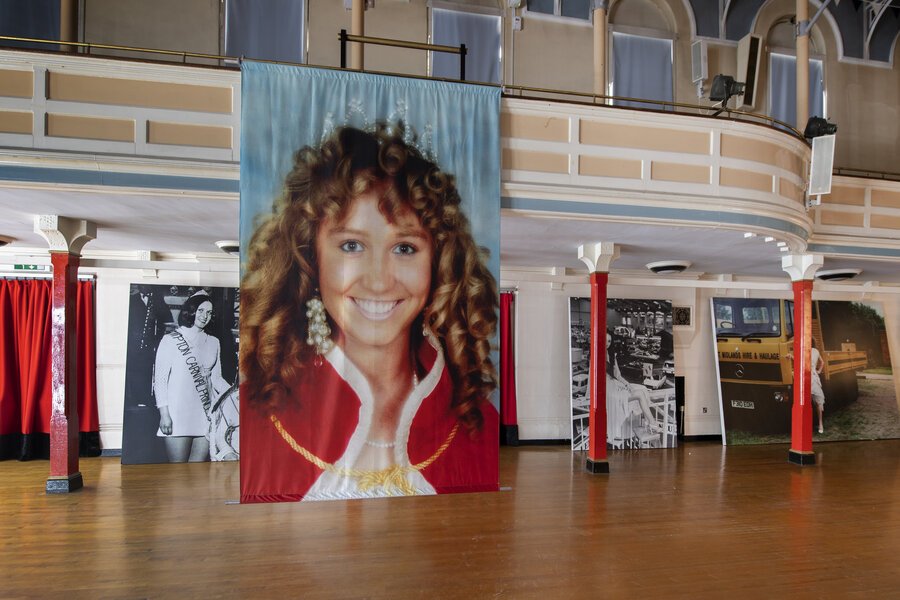
5. Carnival Queens. Curator: Erik Kessels. Material: archive photos. Location: -. Year: -
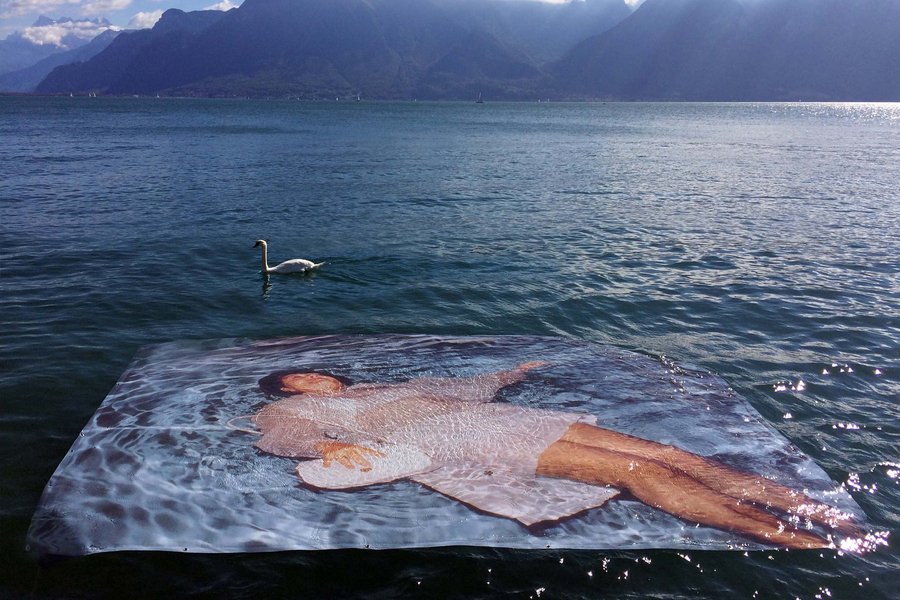
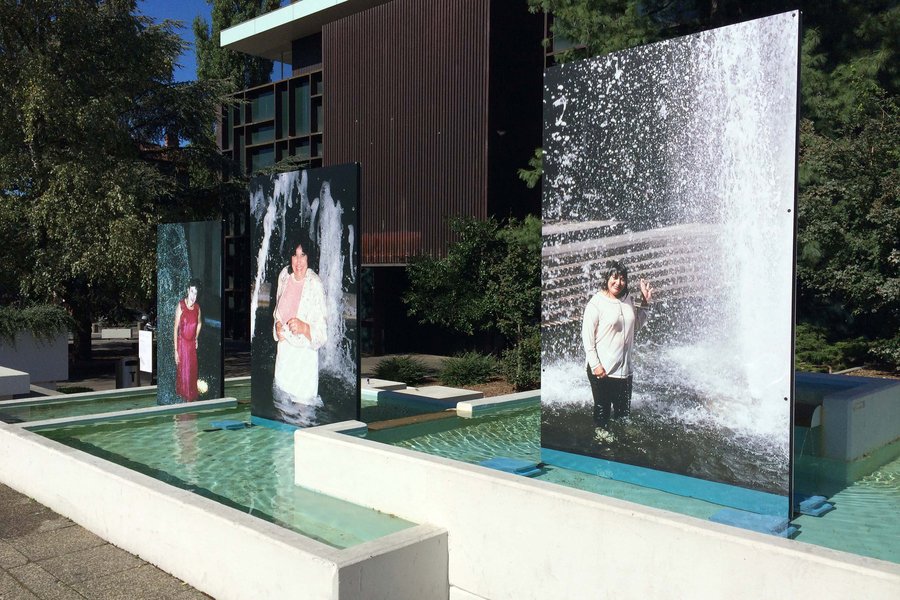
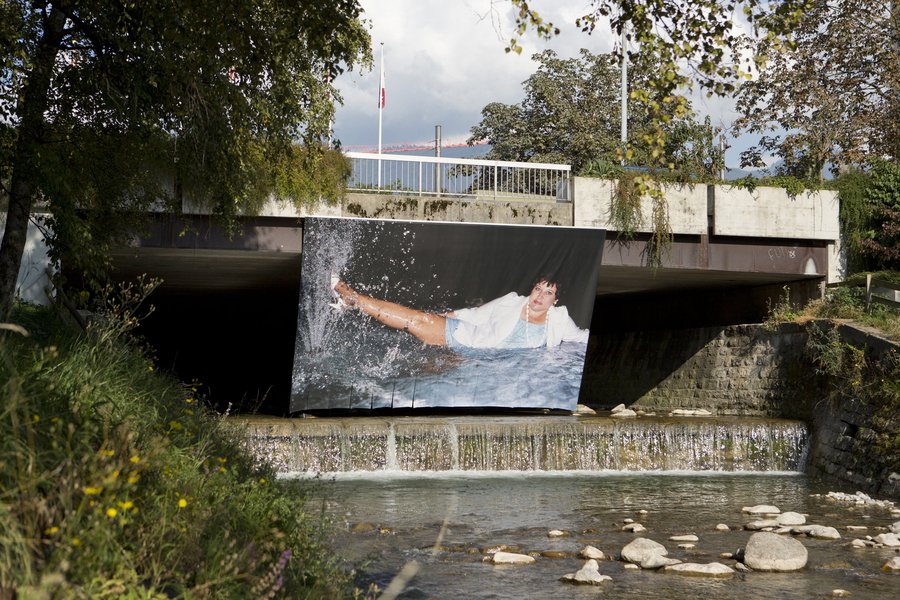
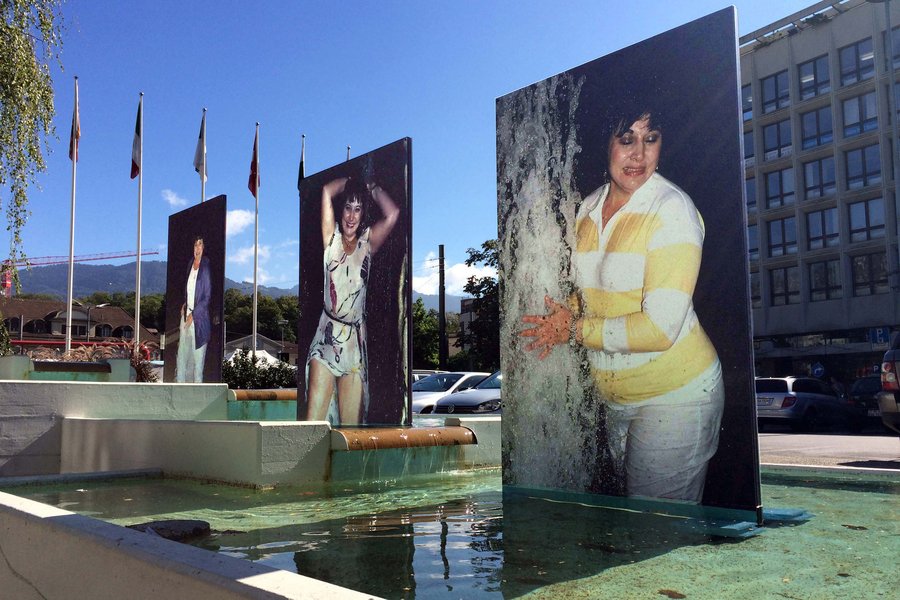
6. In Almost Every Picture #11. Curator: Erik Kessels. Material: archival photos of a couple from Florida. Location: -. Year: -
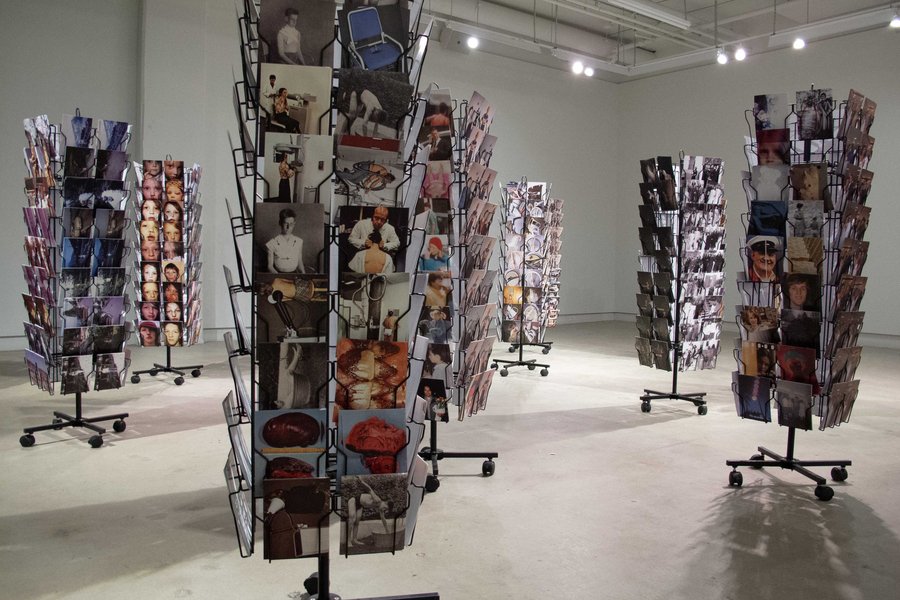
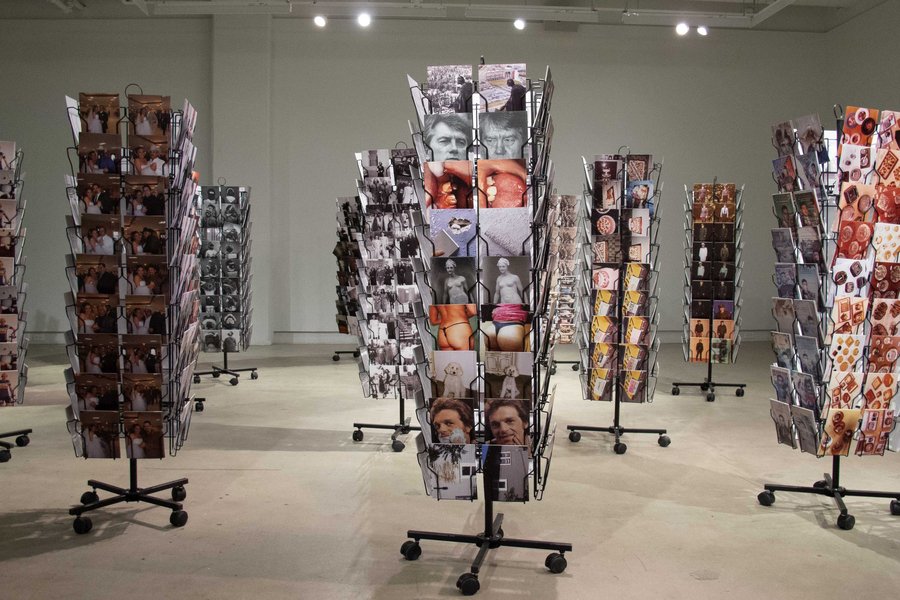
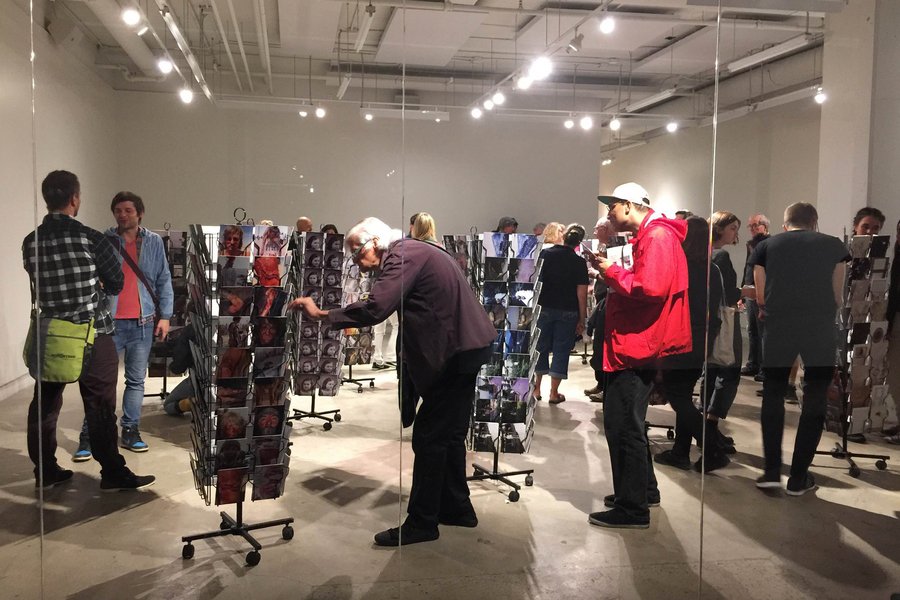
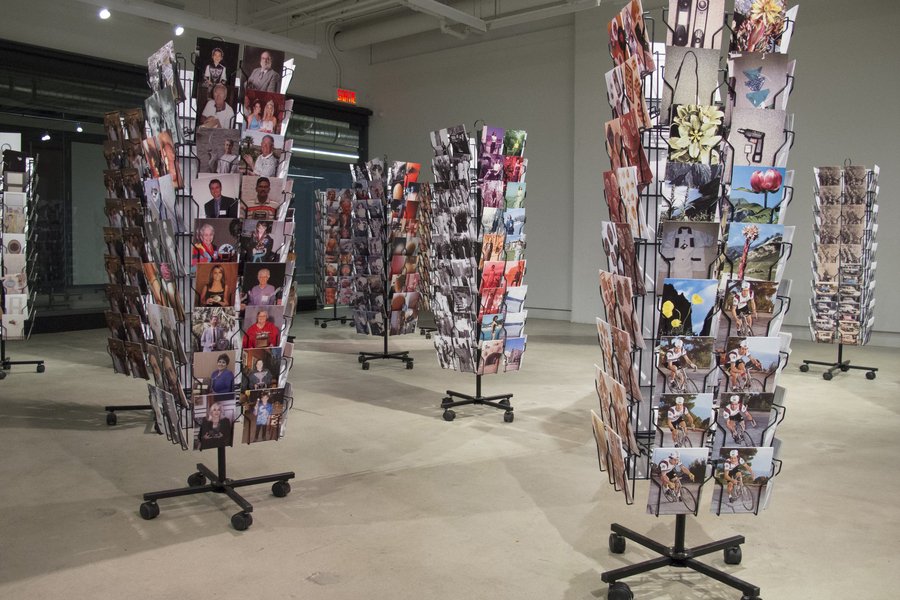
7. All yours. Curator: Erik Kessels. Material: archival photographs. Location: -. Year: -
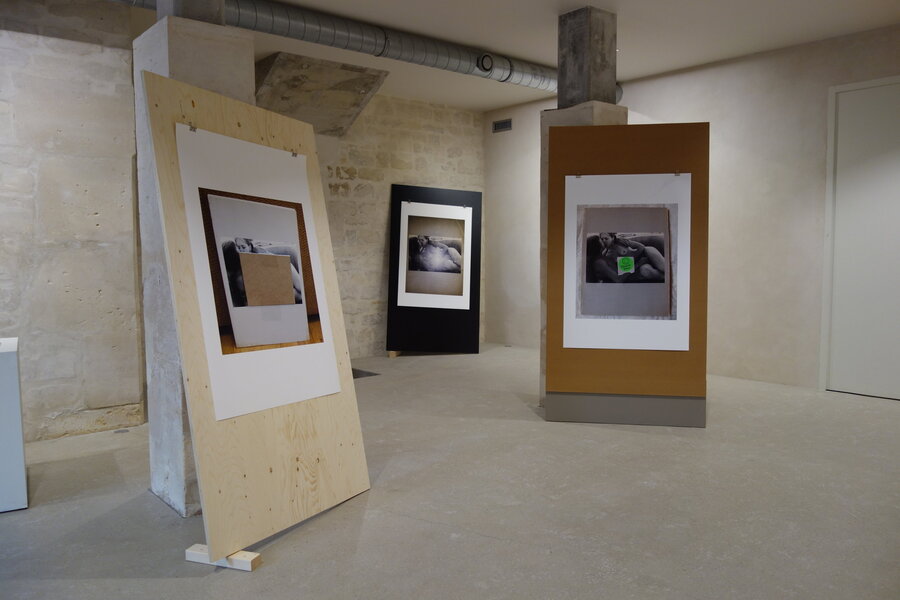
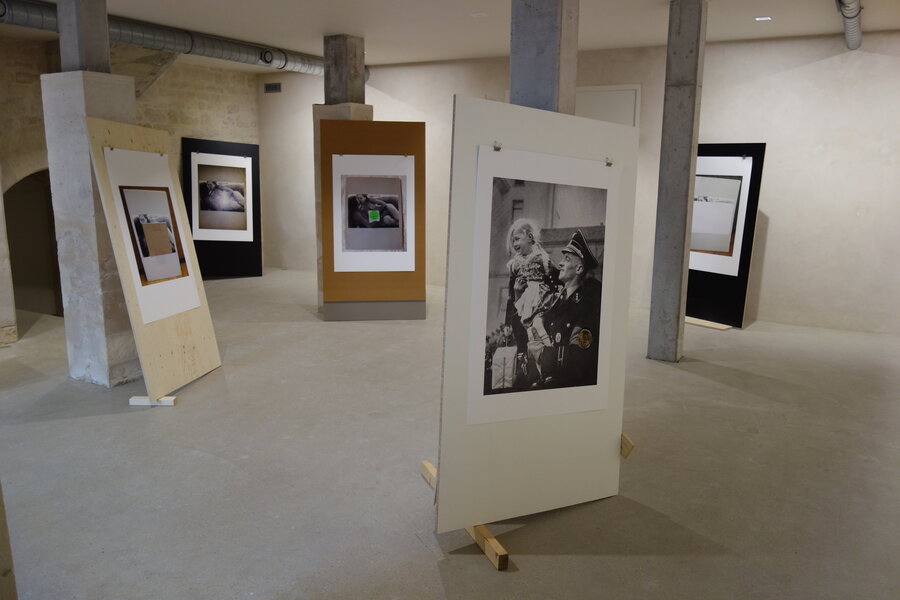
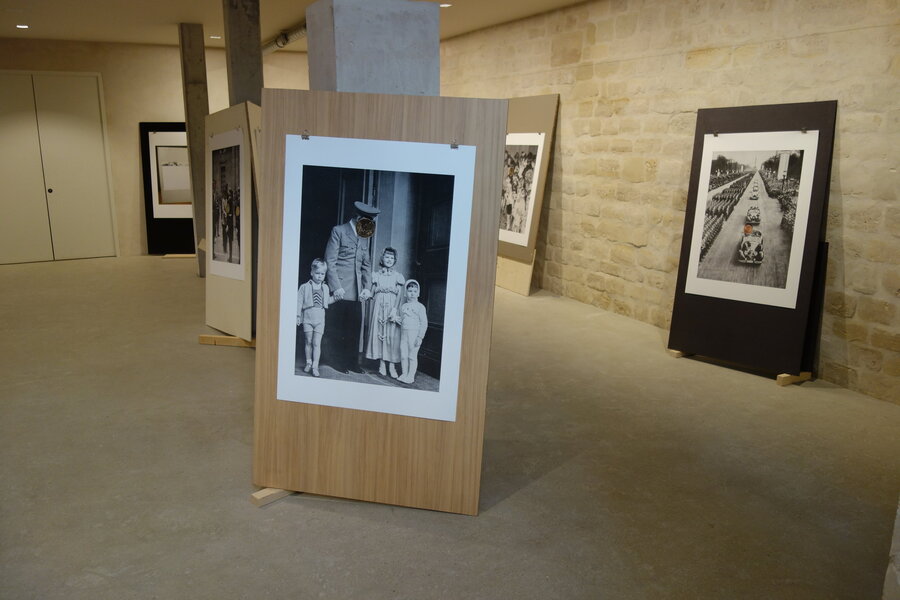
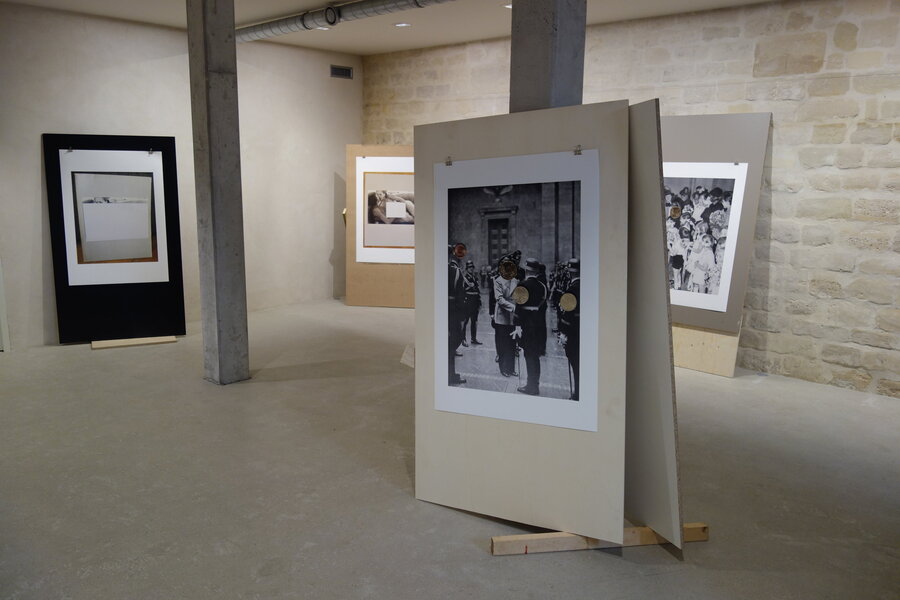
8.Censored. Curator: Erik Kessels. Material: archival photos. Location: -. Year: -
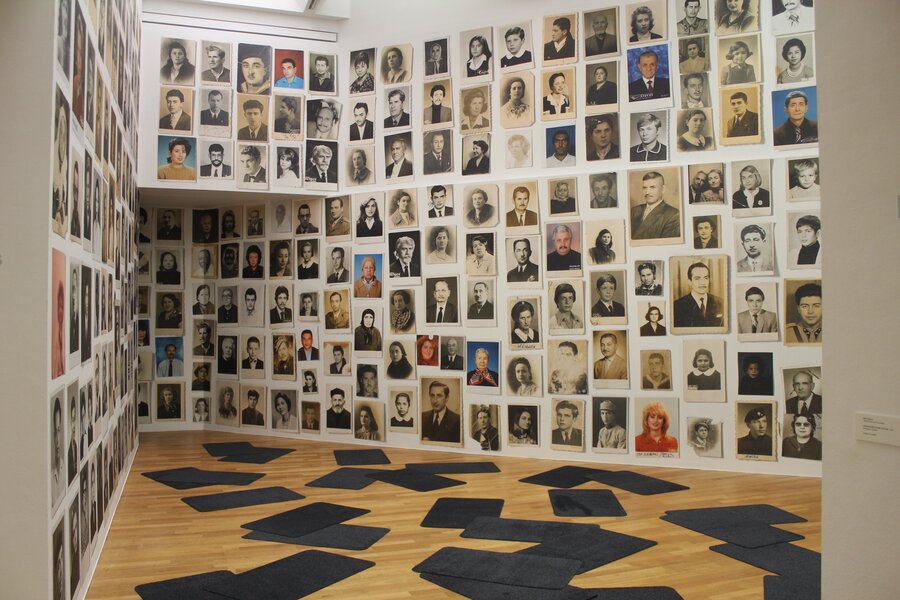
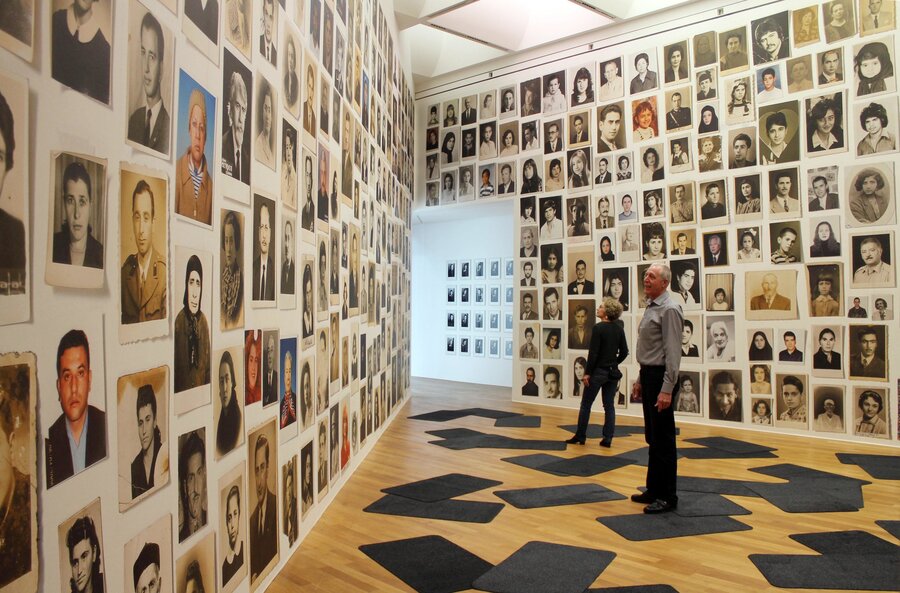
9. Immigrant. Curator: Erik Kessels. Material: archival photographs. Location: -. Year: -
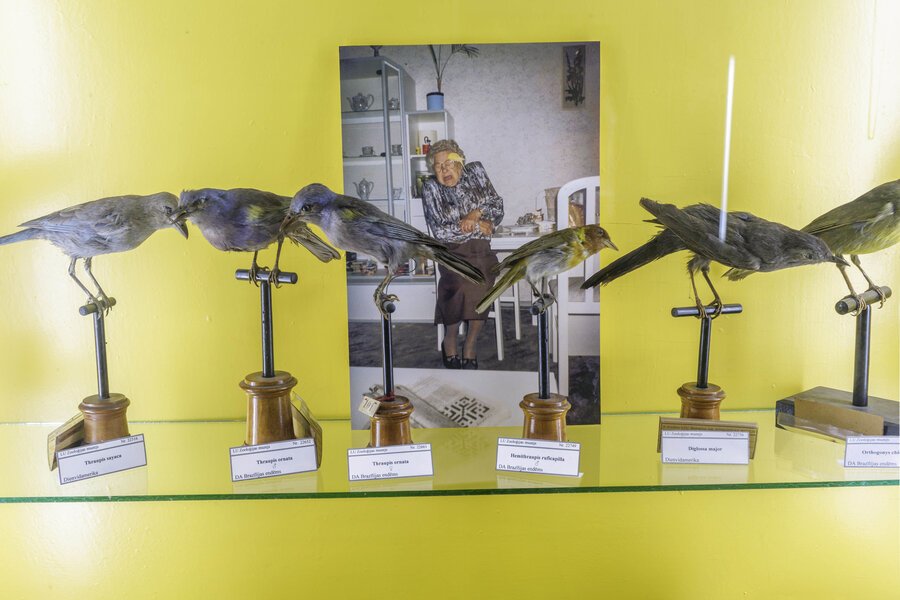
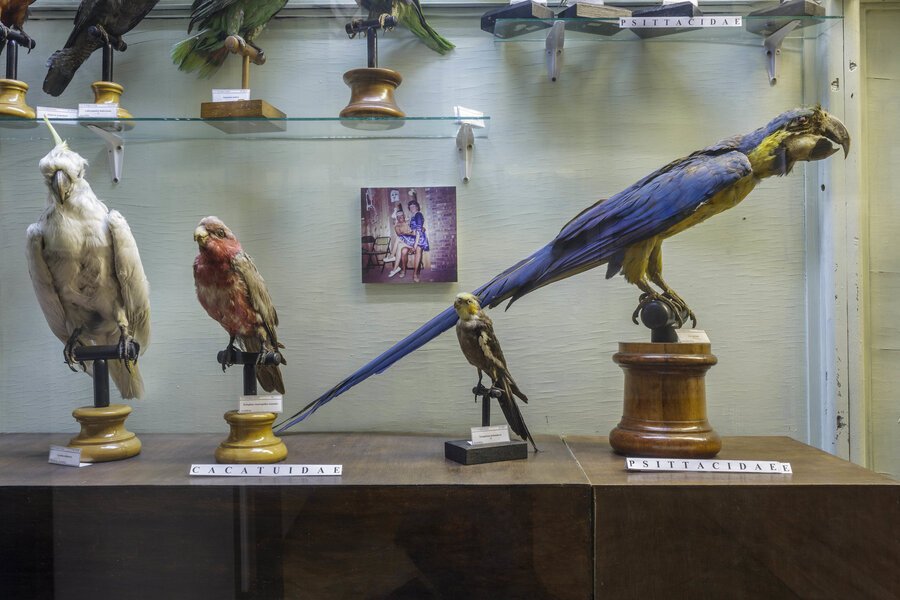
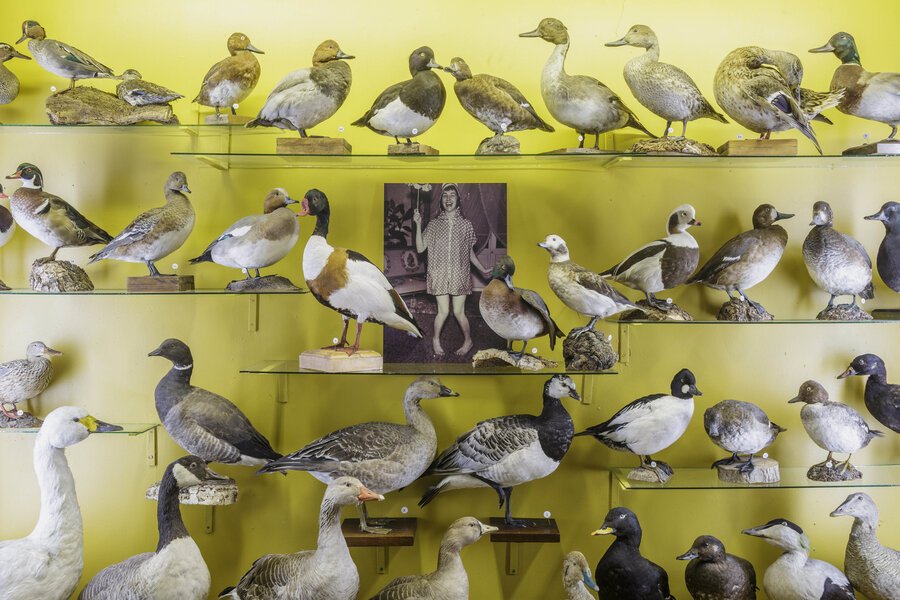
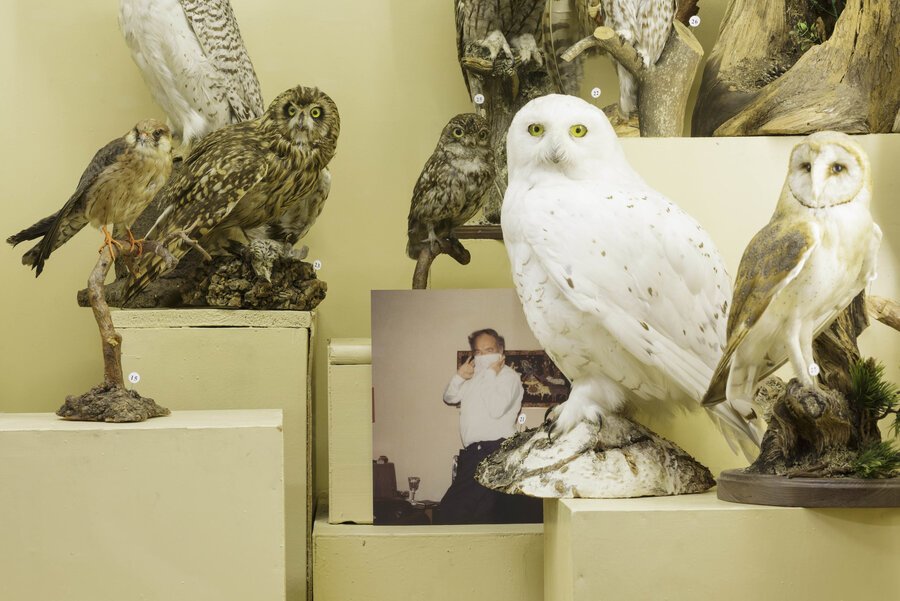
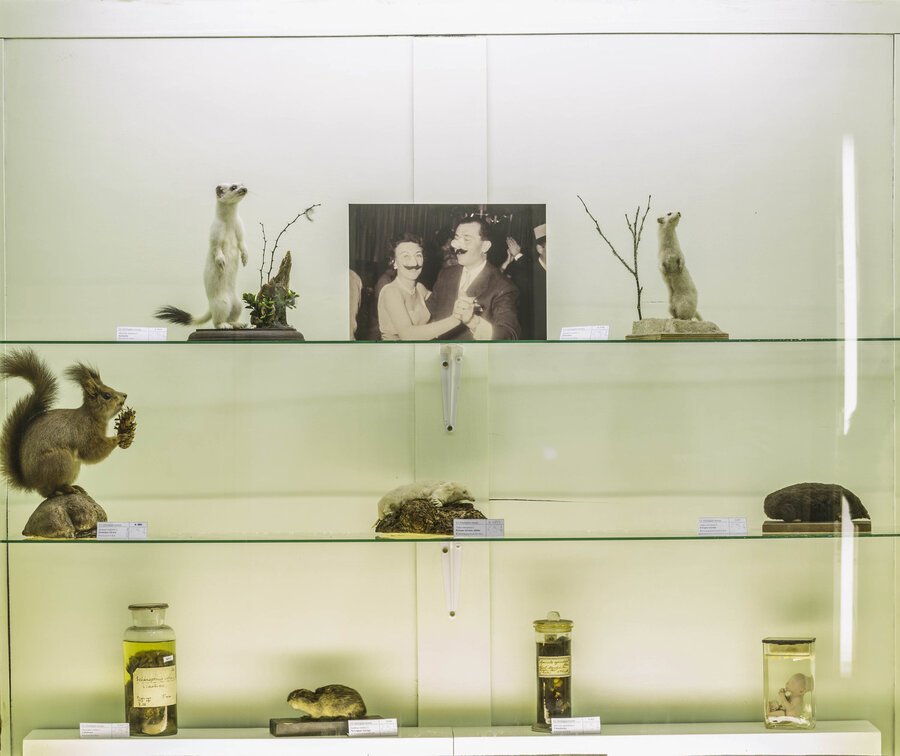
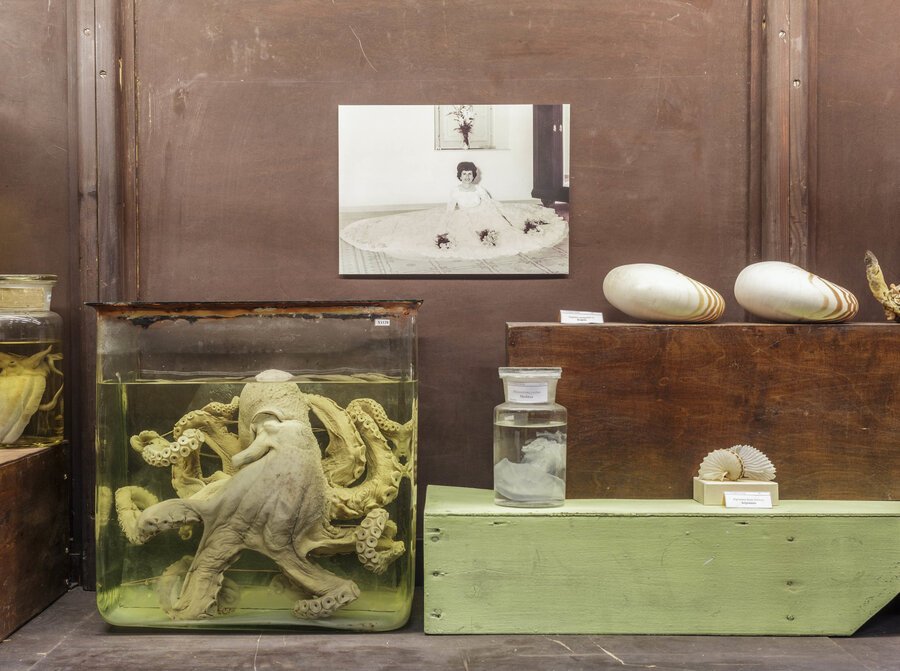
10. Human Zoo. Curator: Erik Kessels. Material: archival photographs. Location: Riga Zoological Museum
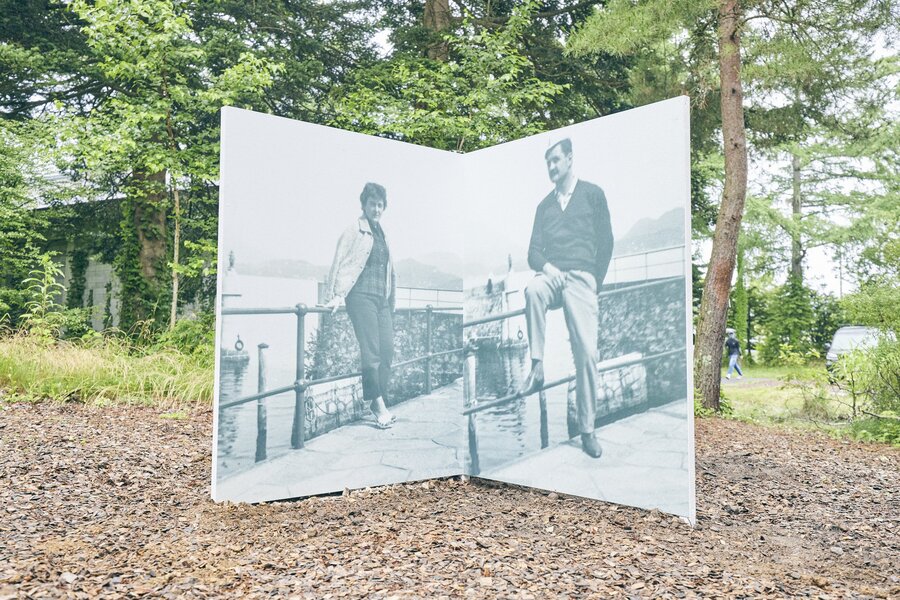
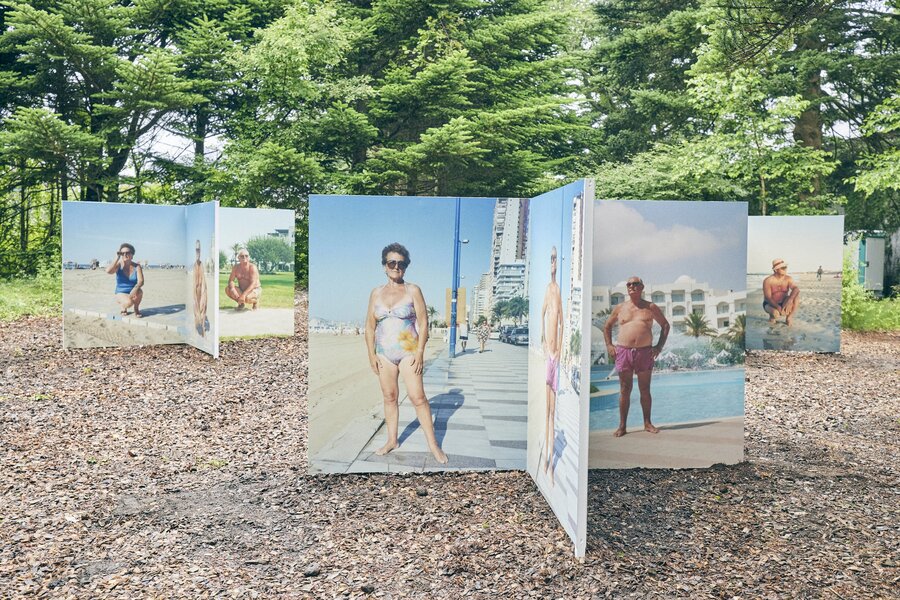
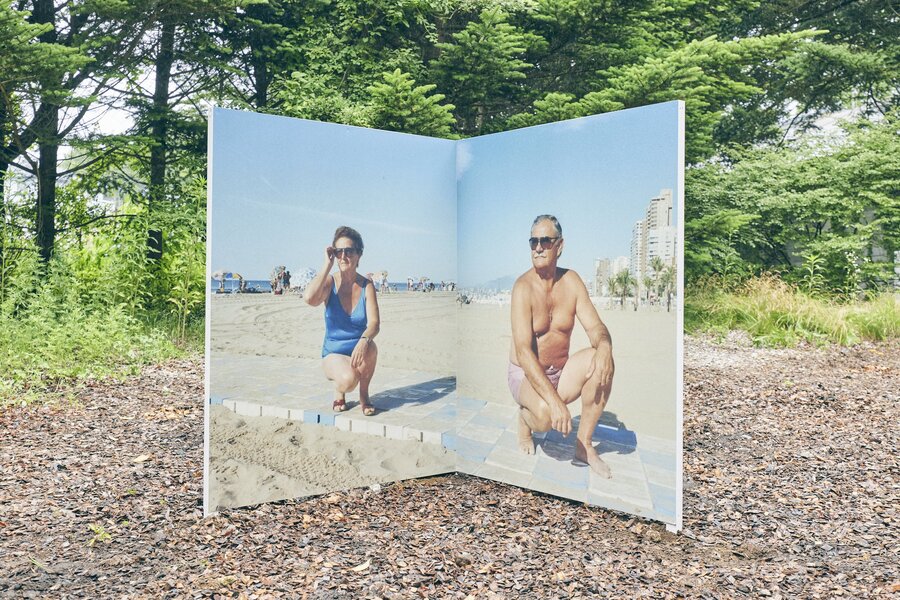
11. In Almost Every Picture #17. Curator: Erik Kessels. Material: Archival photos of the couple Carlo and Luciana. Location: -. Year: -
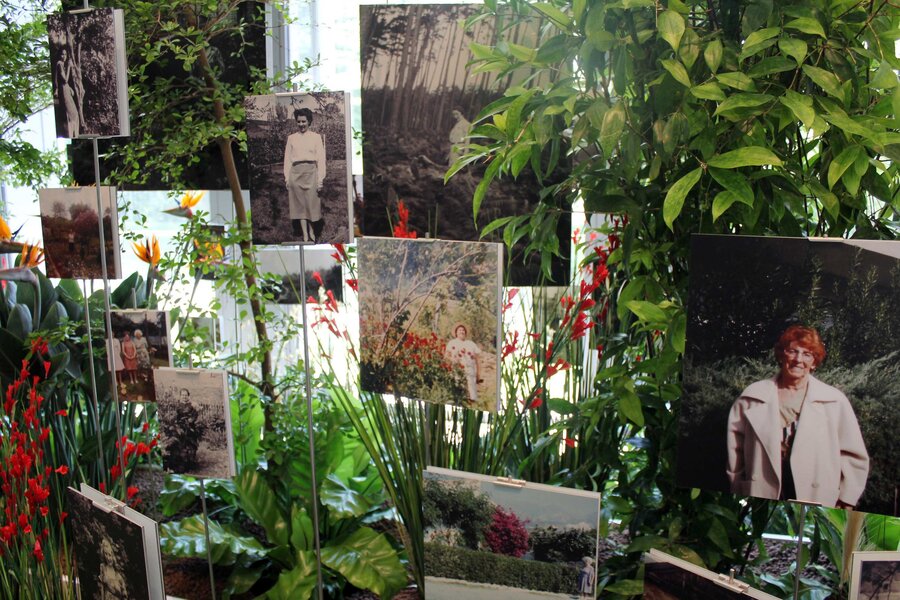
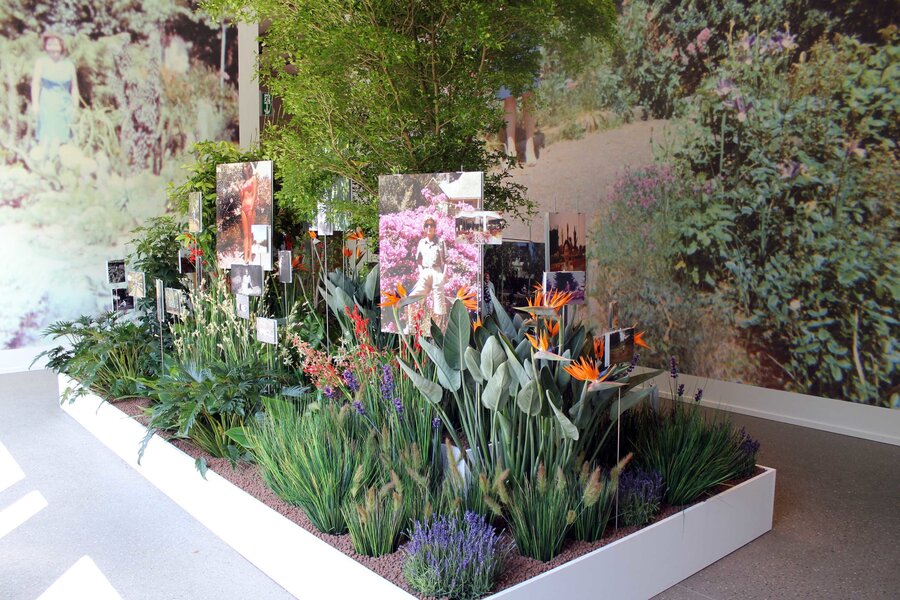
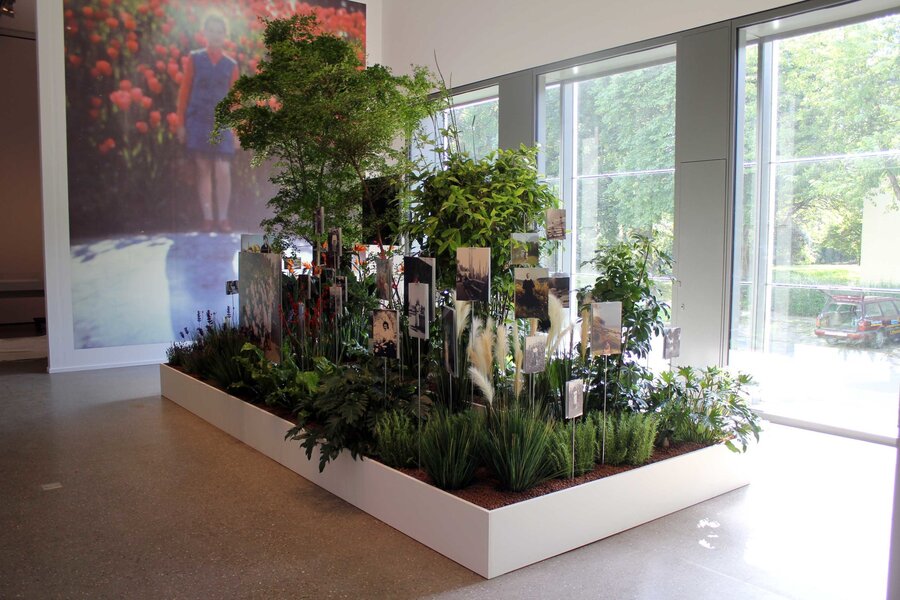
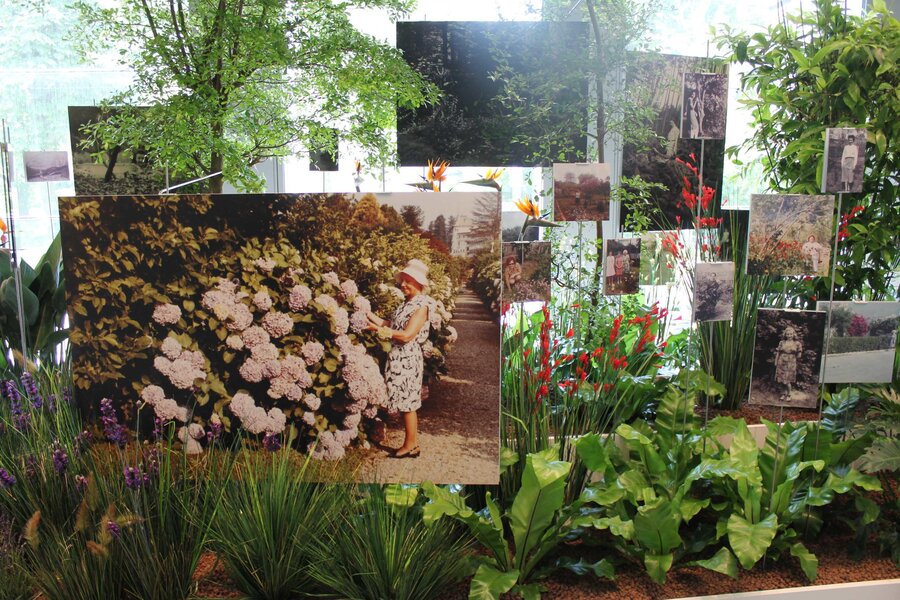
12. Mother Nature. Curator: Erik Kessels. Material: archival photos. Location: -. Year: -
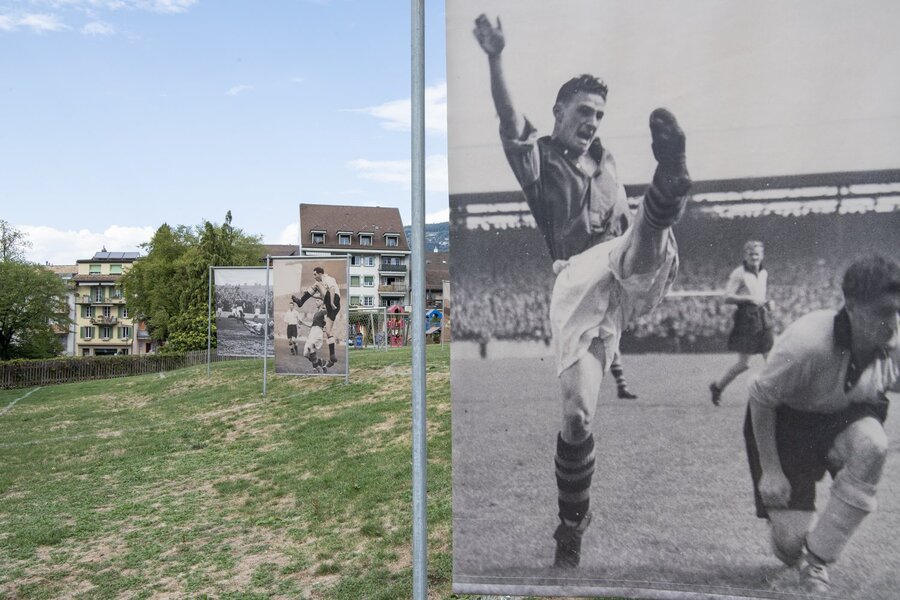
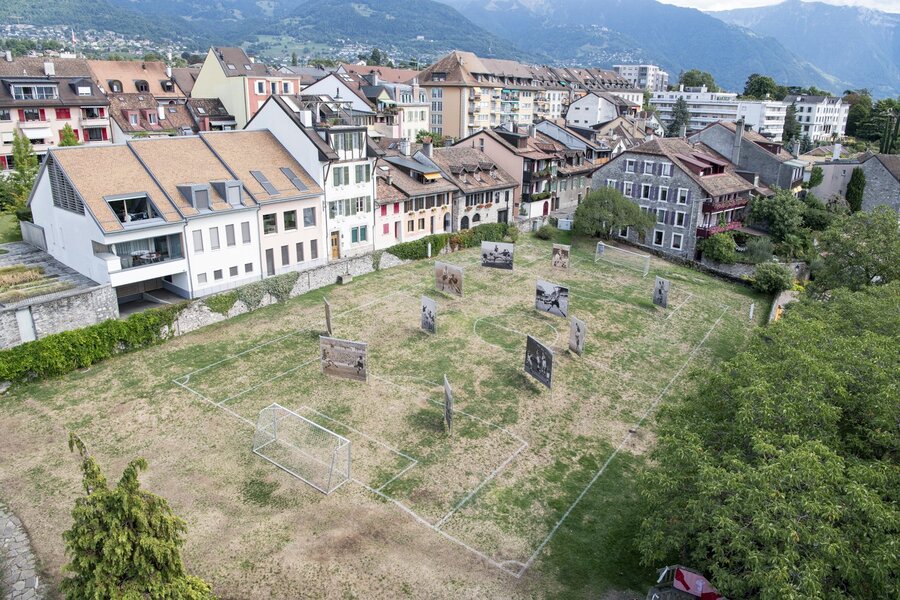
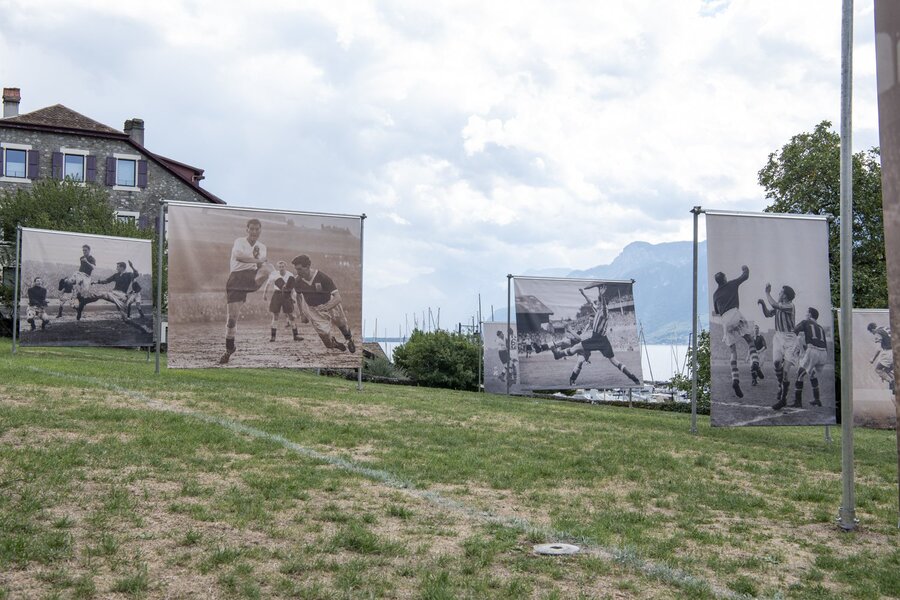
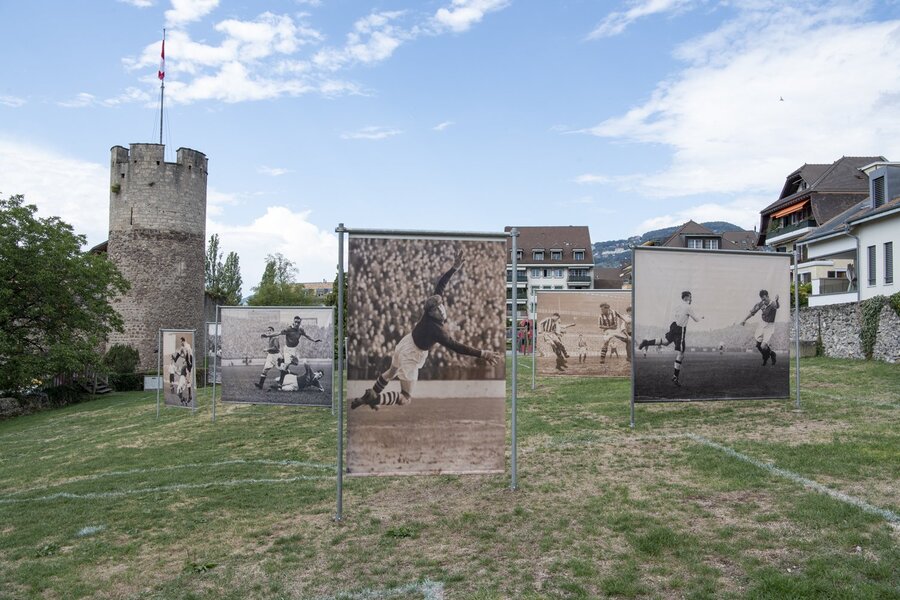
13. Muddy Dance. Curator: Erik Kessels. Material: Archival photographs. Location: —. Year: —
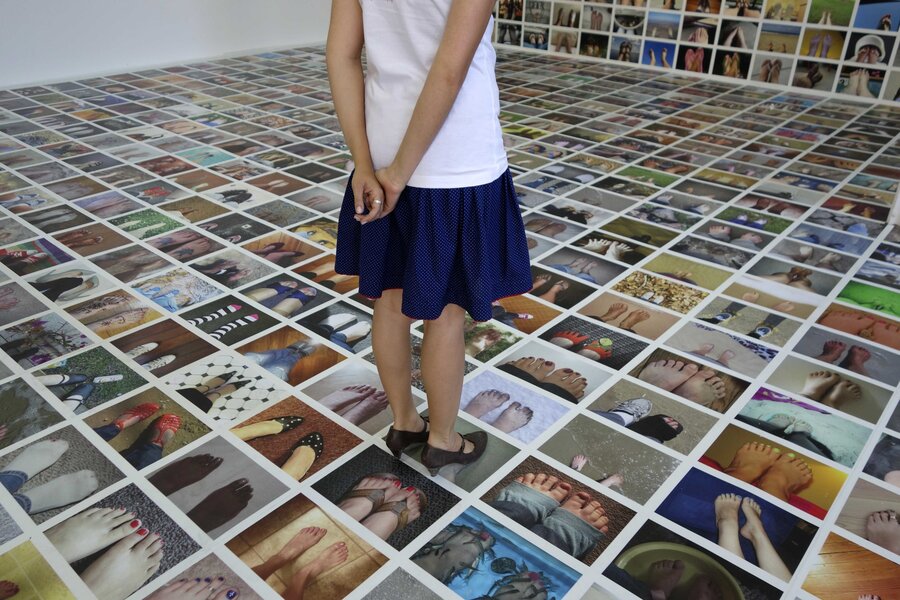
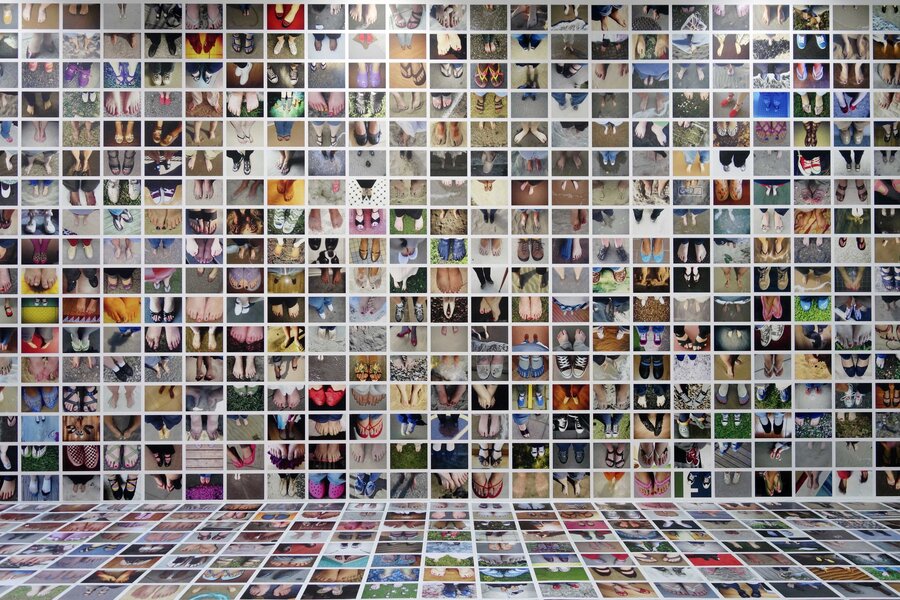
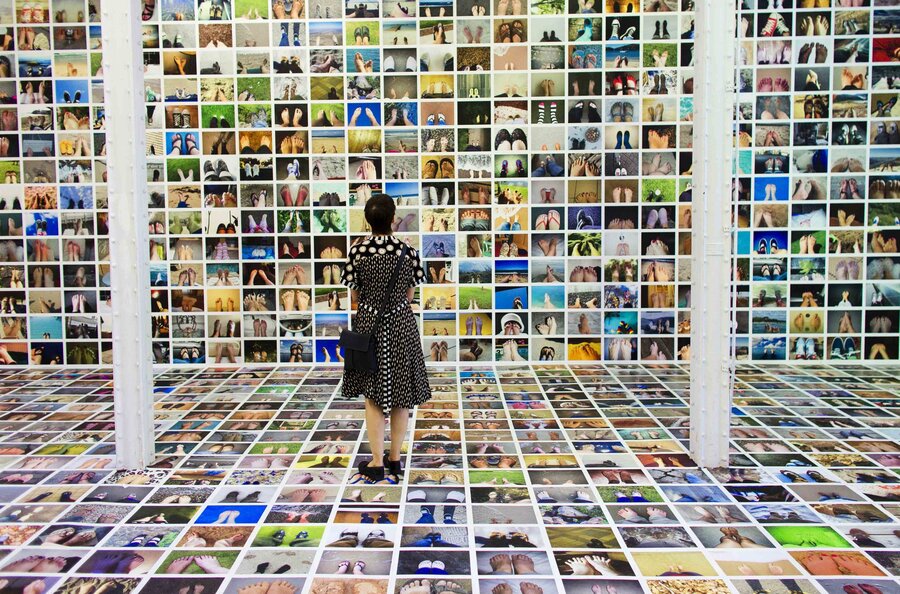
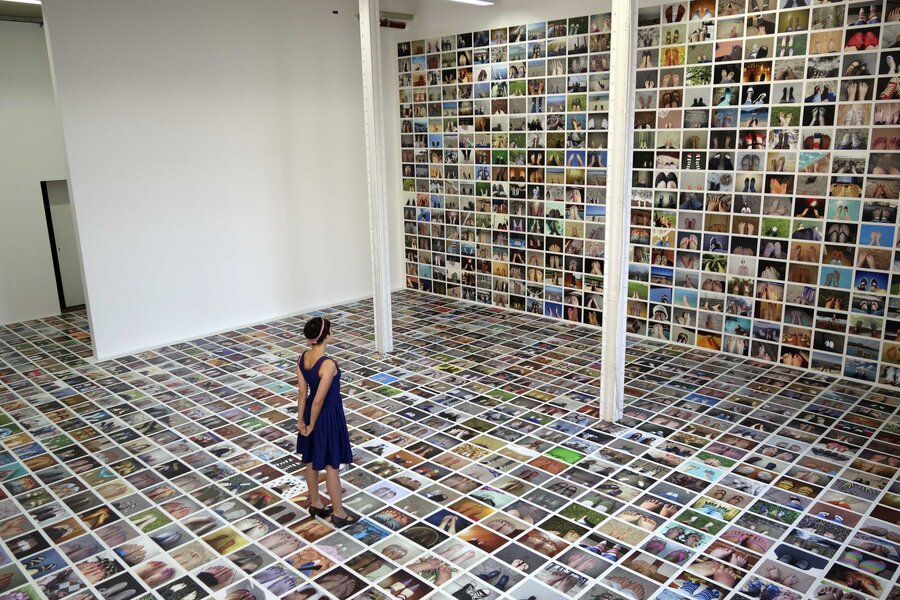
14.My Feet. Curator: Erik Kessels. Material: archival photographs. Location: -. Year: -
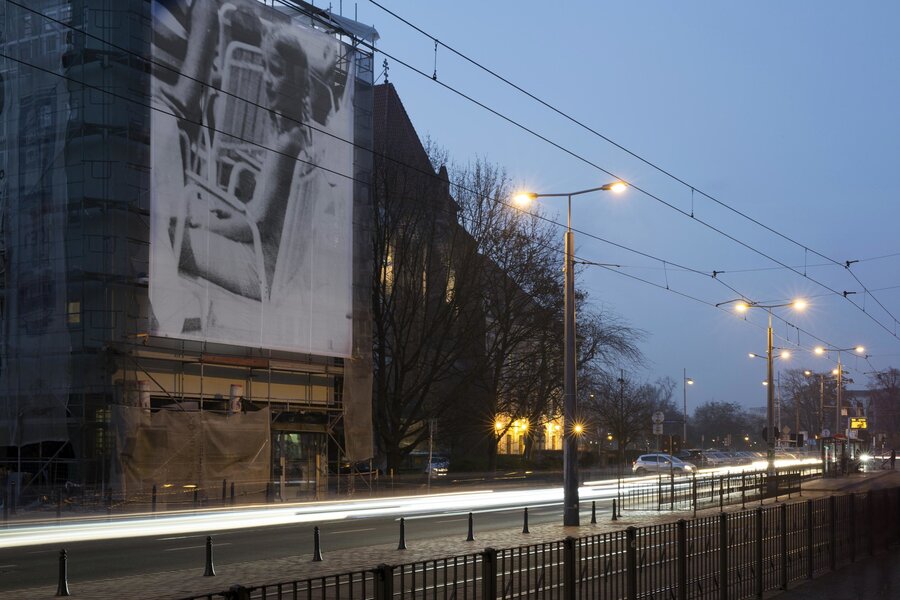
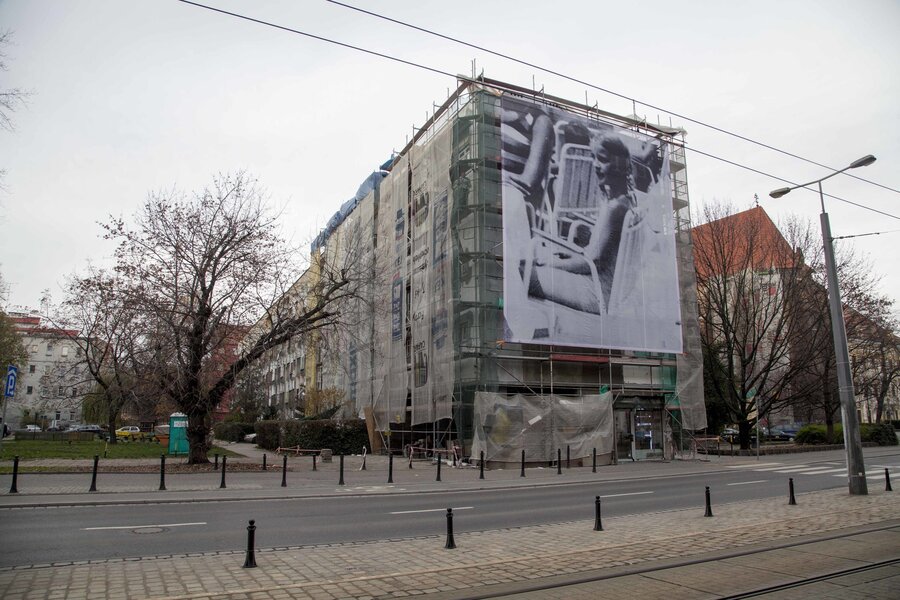
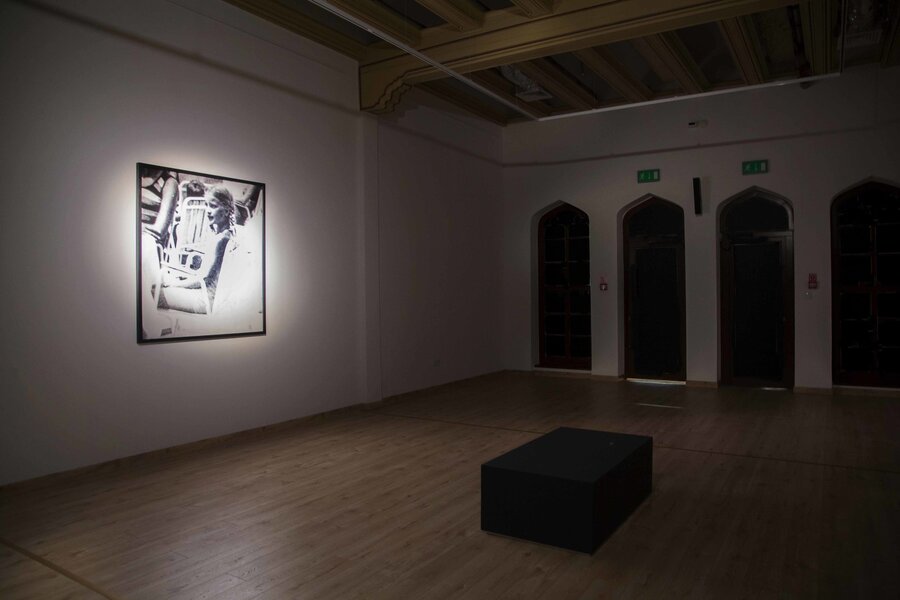
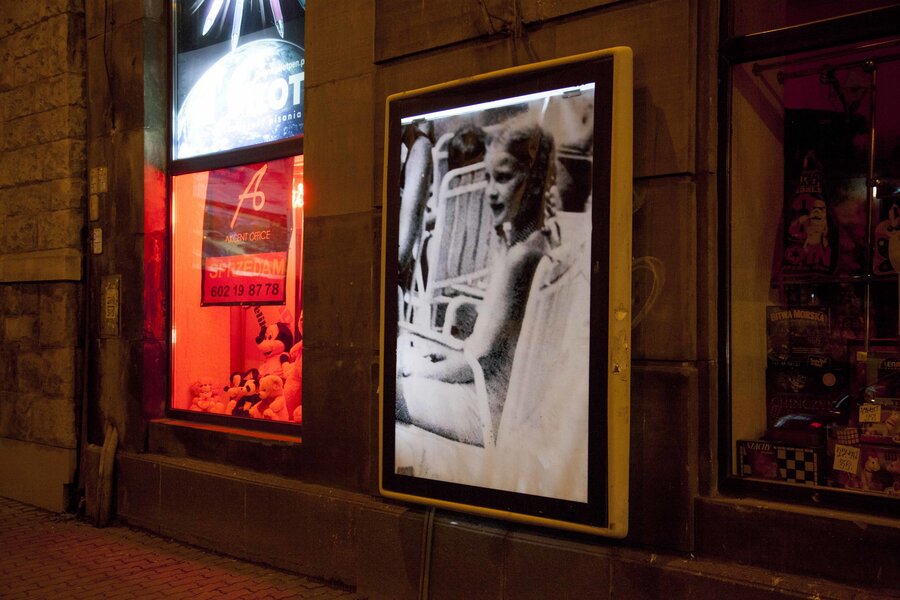
15. One image. Curator: Erik Kessels. Material: archival photographs. Location: -. Year: -
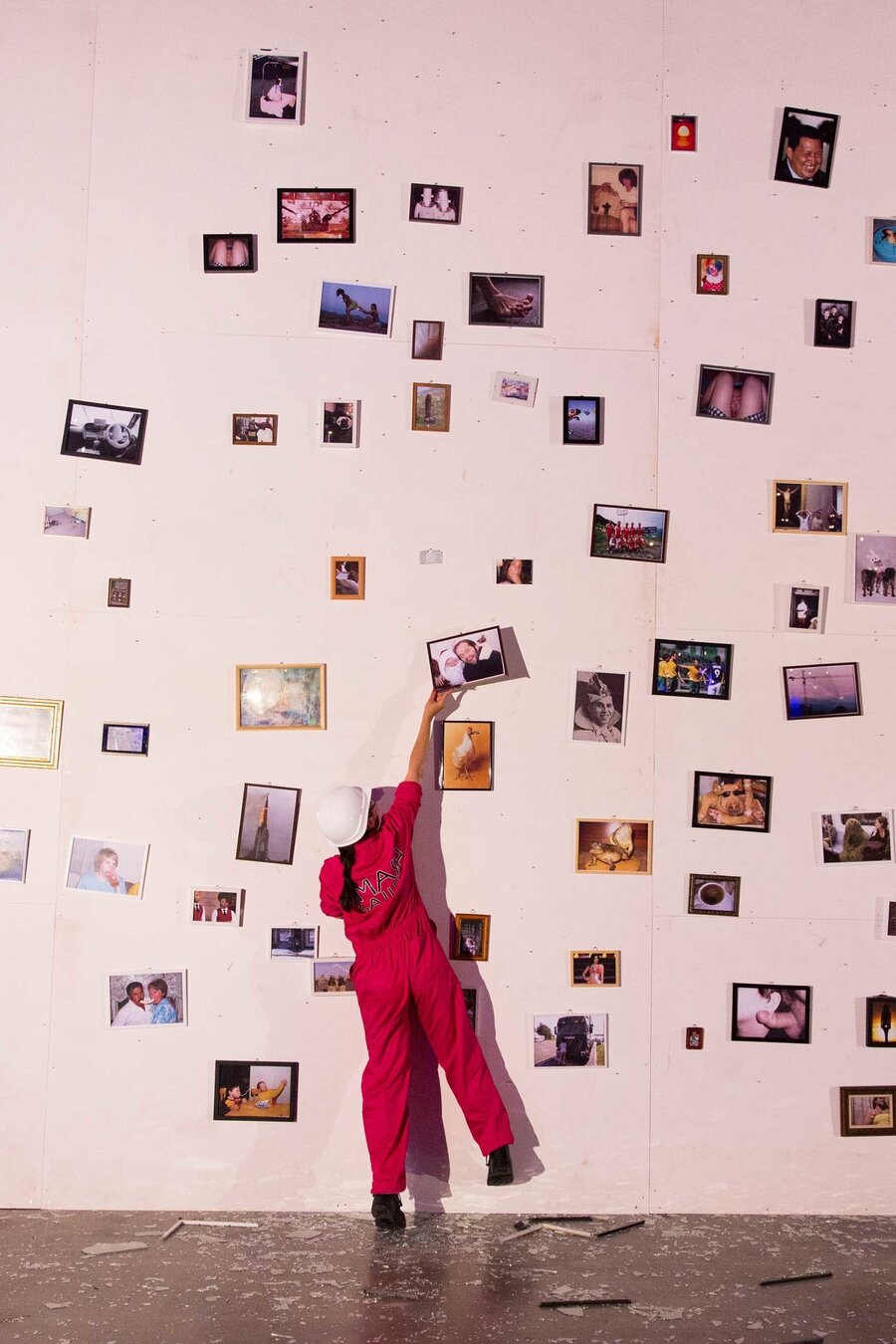
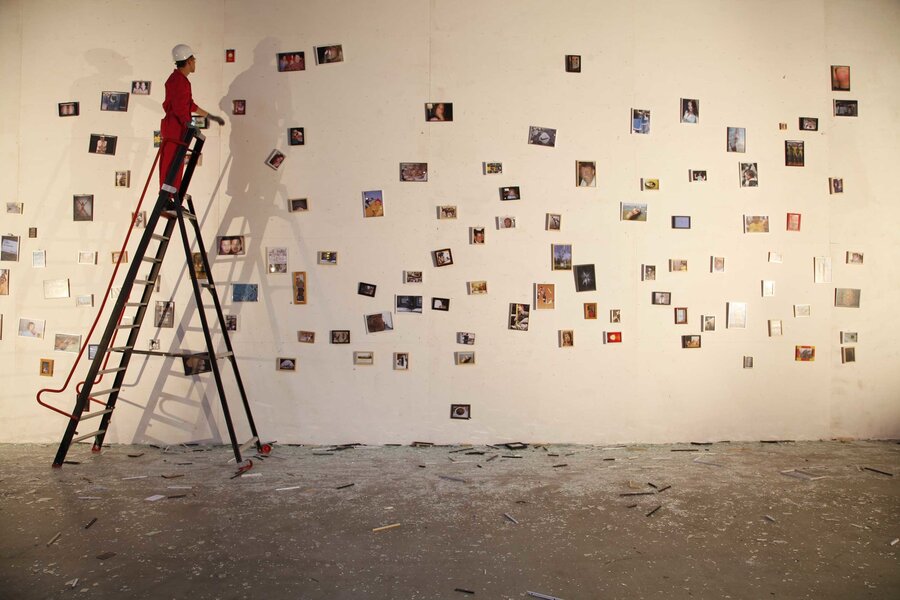
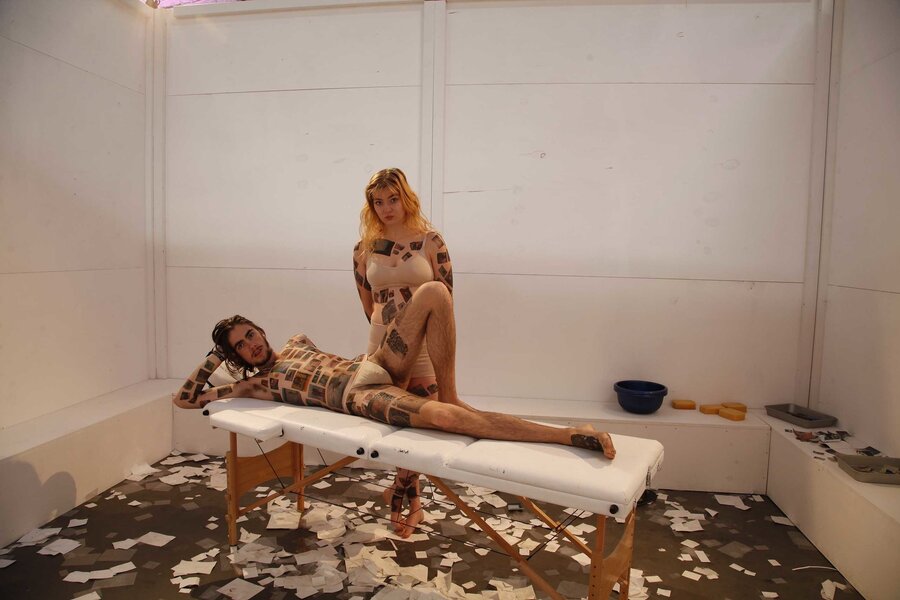
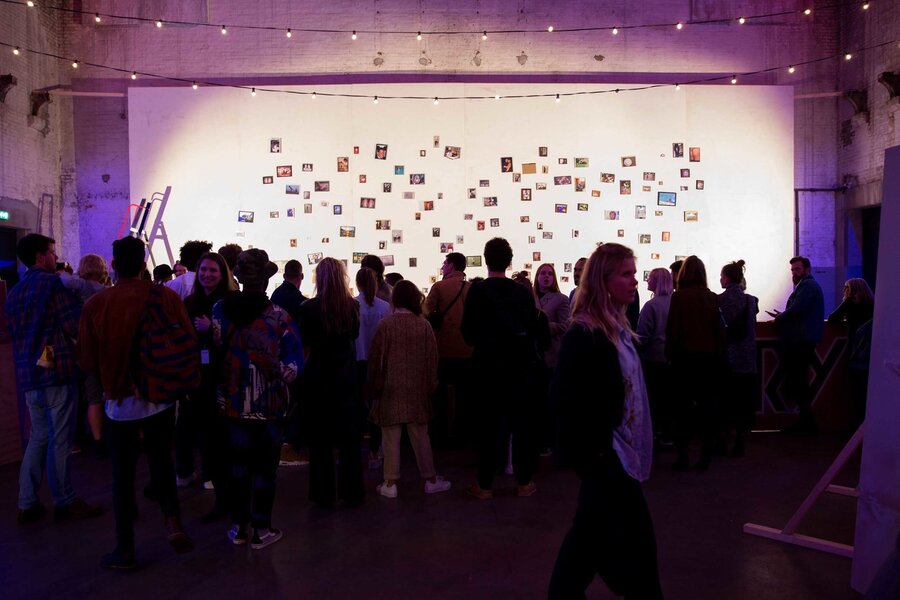
16. Photo Pleasure Palace. Curator: Erik Kessels. Material: archival photographs. Location: -. Year: -
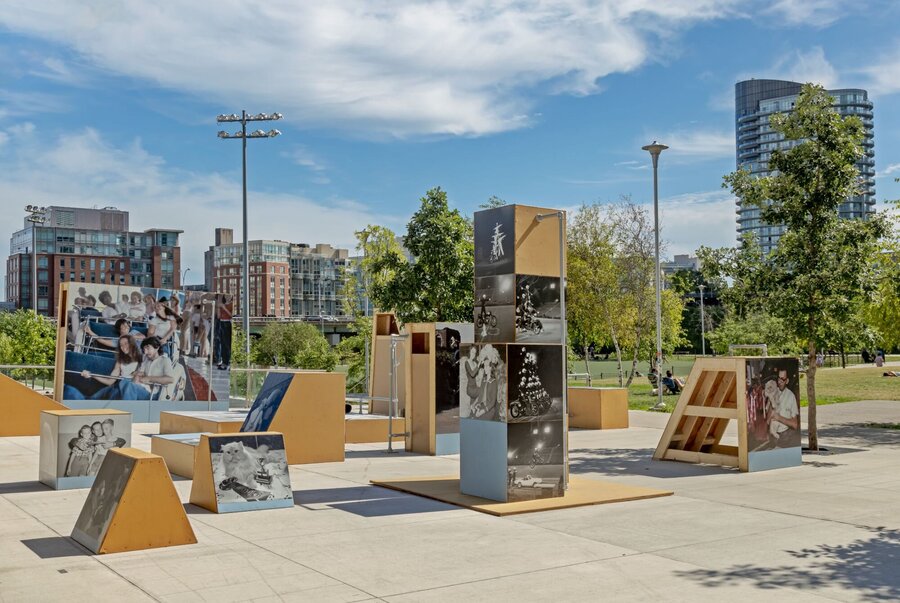
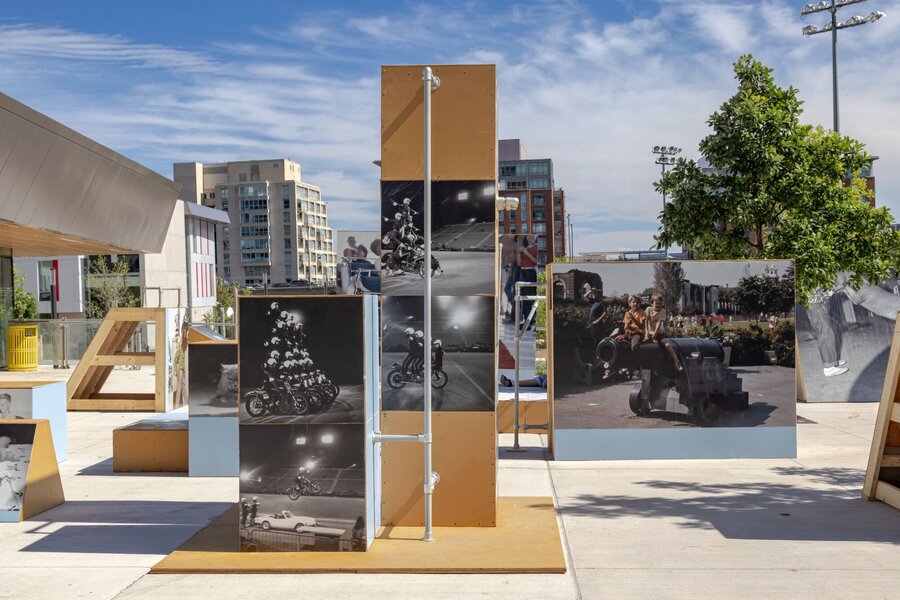
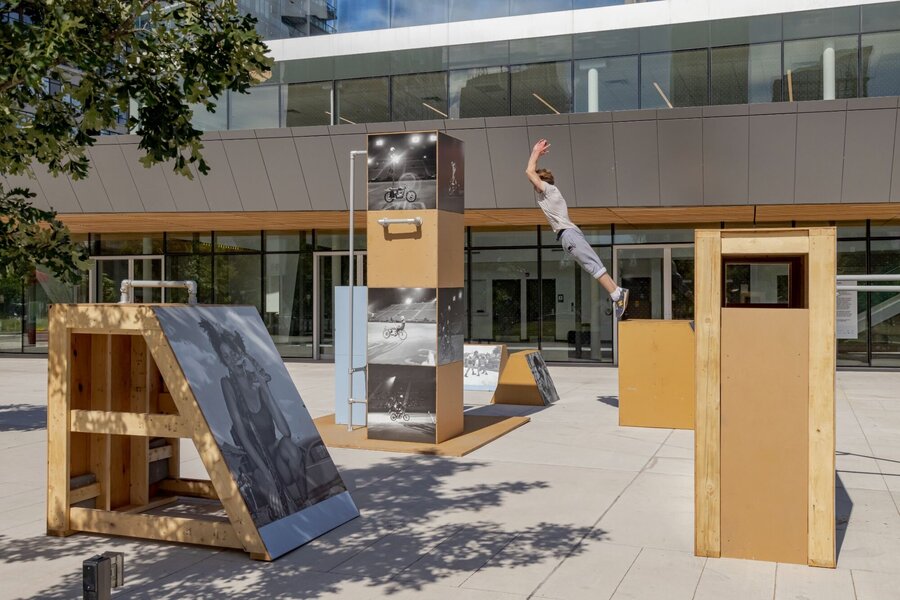
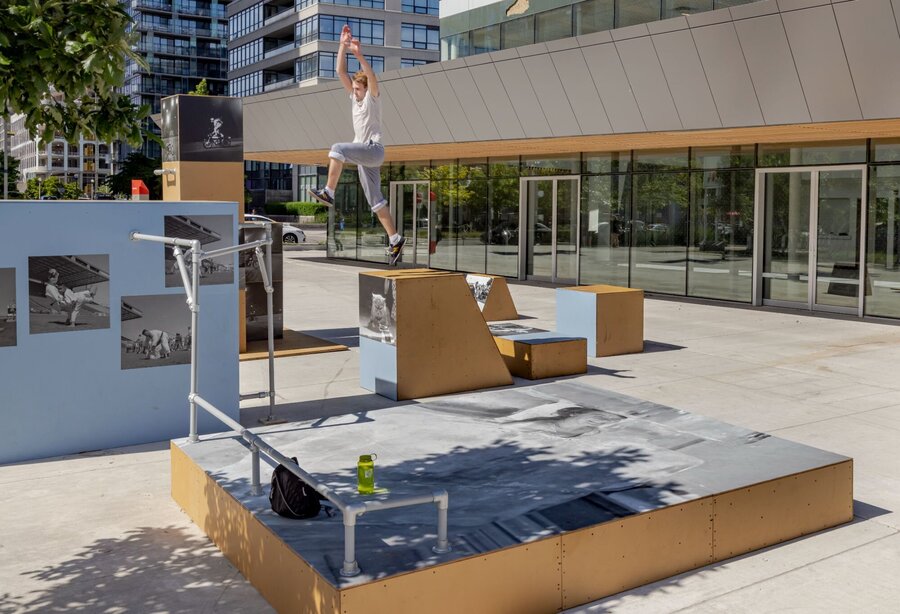
17. Play public. Curator: Erik Kessels, Thomas Mailaender. Material: The CNE photography collection. Location: the Bentway Conservancy, Toronto. Year: -
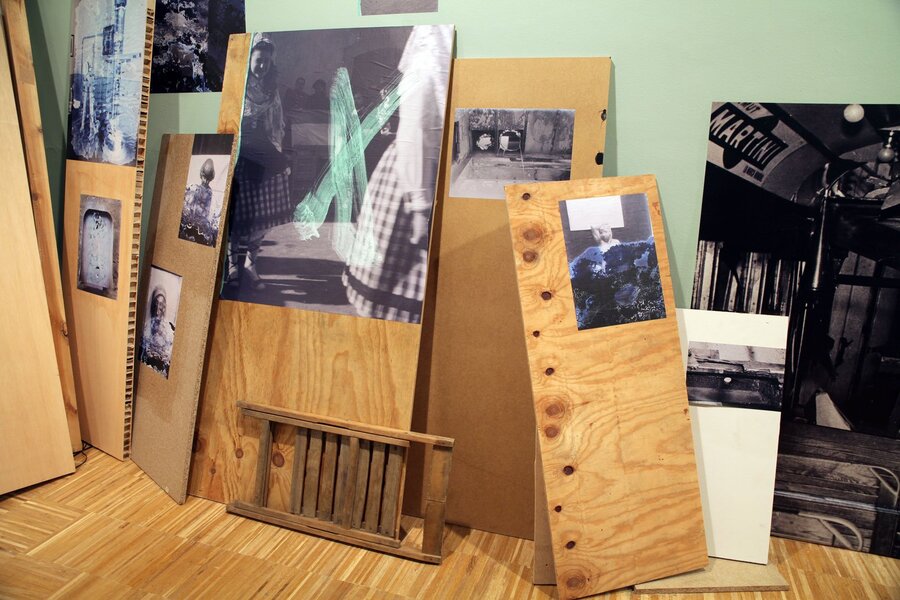
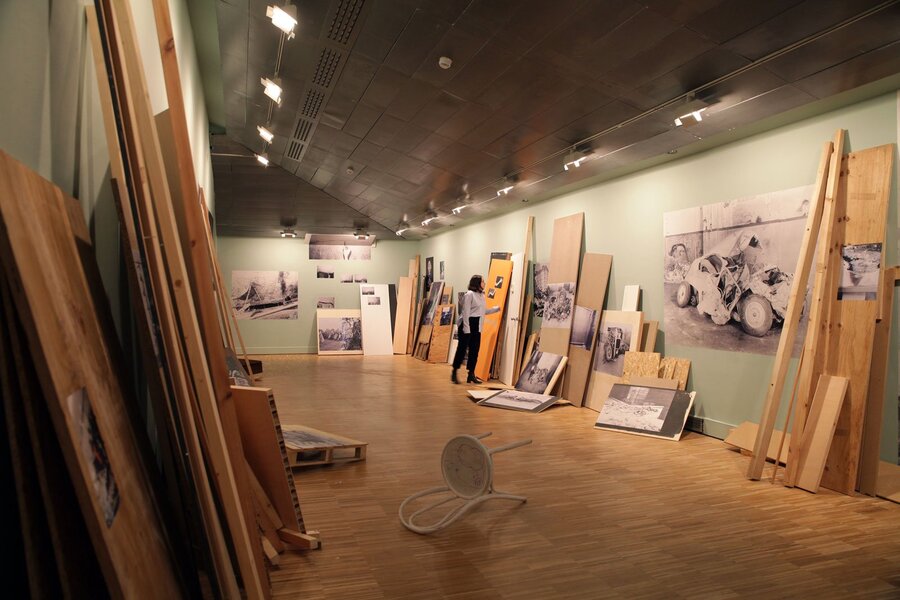
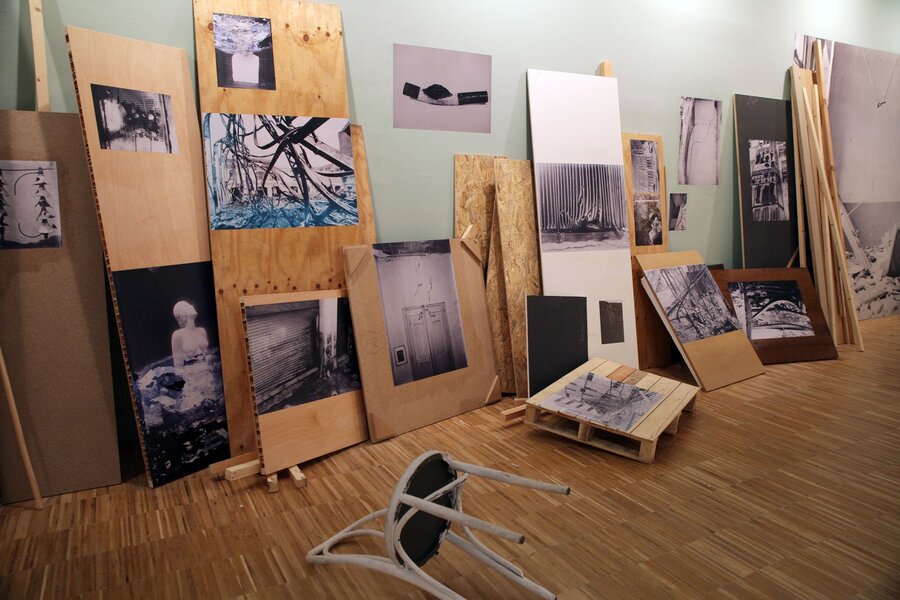
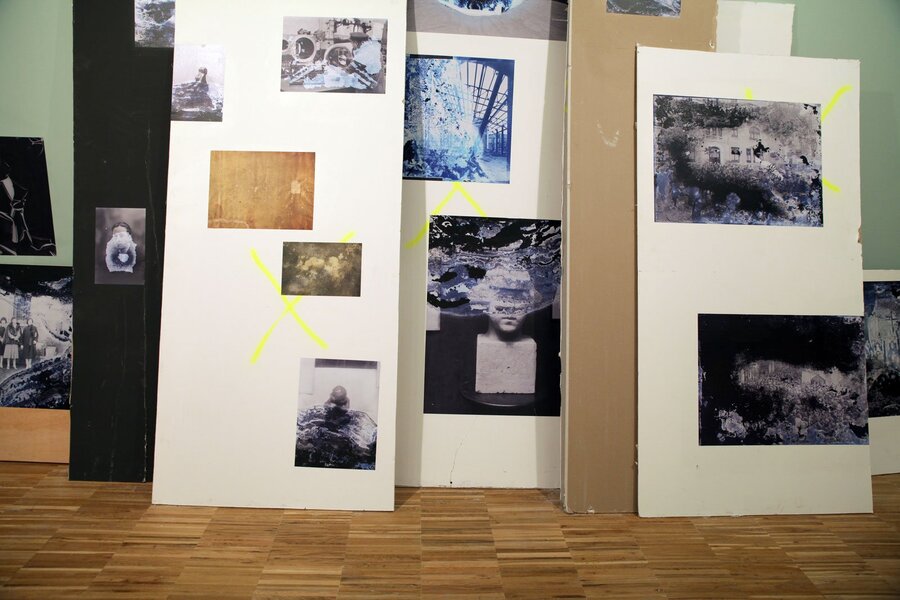
18.Que Desastre. Curator: Erik Kessels. Material: the national archive of Catalonia. Location: CCCB Barcelona. Year: 2017
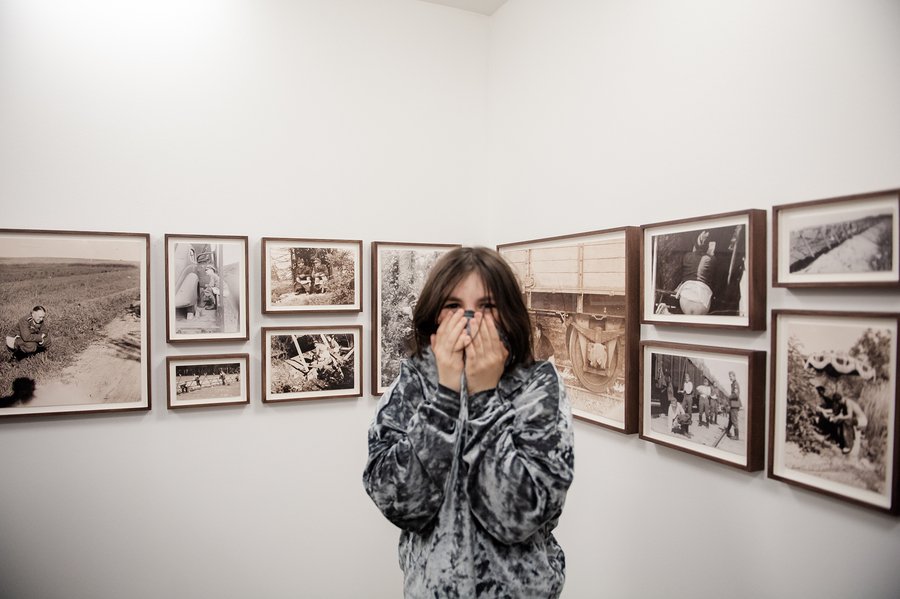
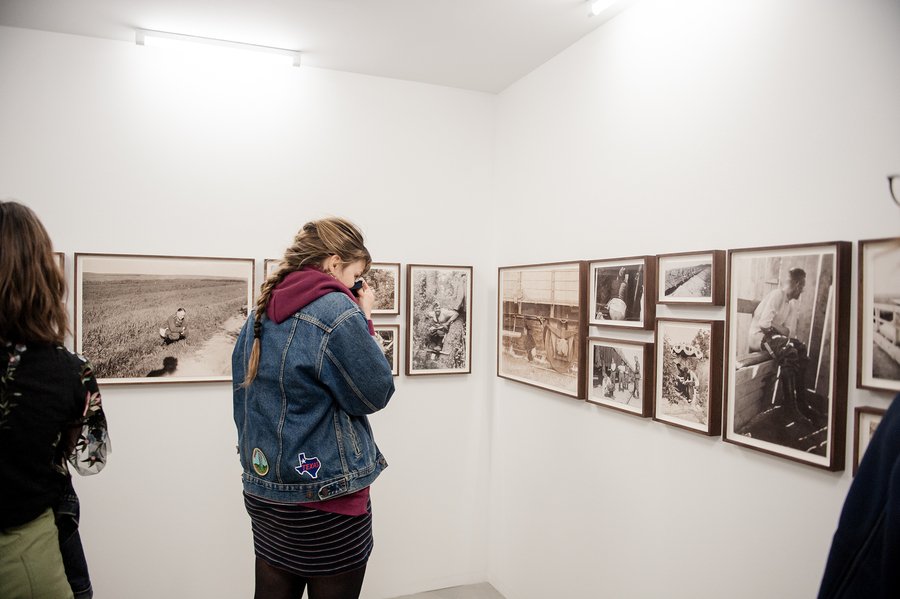
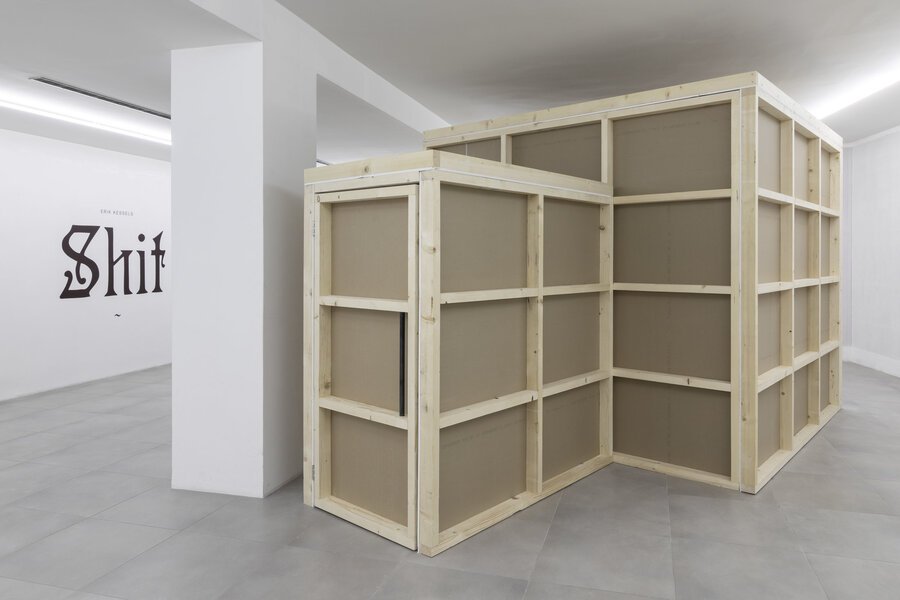
19.Shit. Curator: Erik Kessels. Material: archival photos. Location: -. Year: -