The Gaze: The Look as an Act of Domination. The Evolution of Embodiment and Visual Control in Art History.

«Men act and women appear»
In the 1970s, John Berger first articulated that historically, the female body in art was constructed to be a passive object for the viewer’s judgment.
In 1975, theorist Laura Mulvey cemented this concept in her essay «Visual Pleasure, ” naming it the „Male Gaze.“
The viewer (historically a man) holds the active position, while the model becomes merely an object of visual pleasure.
One of the principal classical tropes that legitimized this dynamic since antiquity is the Venus pudica pose—a body that simultaneously conceals itself and is put on display.
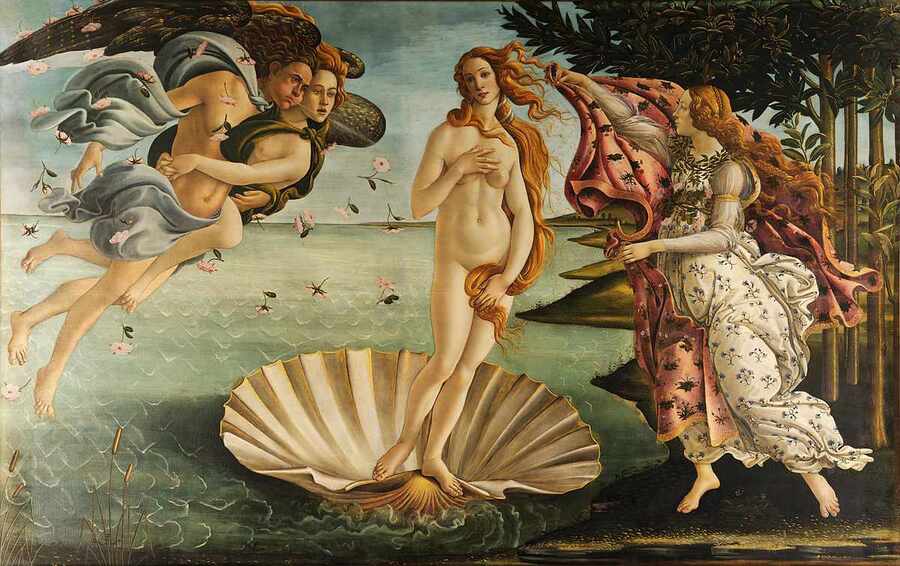
The Birth of Venus, Sandro Botticelli, (c. 1484–1486)
Часть 1
Renaissance. The Divine Justification of Eroticism
The Genesis of an Ideal. The viewer’s gaze is legitimized through a high mythological context. The pose of Venus pudica renders nudity chaste, and the judging gaze—safe.

Sleeping Venus, Giorgione, c. 1510
Closed eyes as a symbol of accessibility. The woman does not look back, becoming an absolute, silent object for aesthetic contemplation.
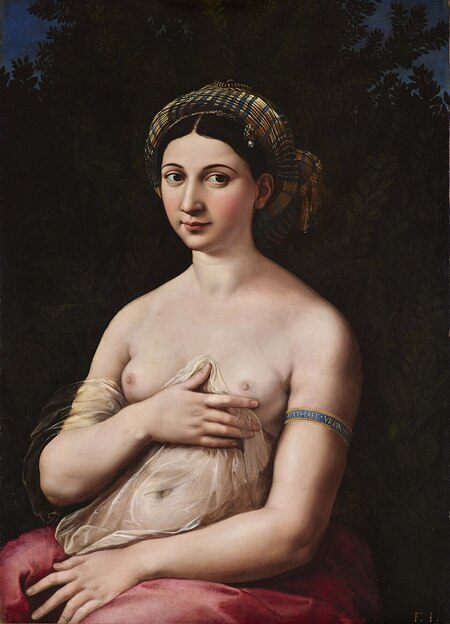
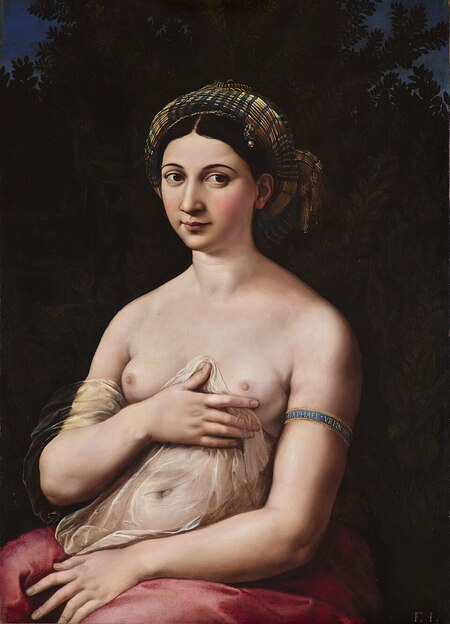
In Raphael’s painting «La Fornarina» (1518–1519), the woman gazes directly at the viewer, yet her posture remains passive and inviting.
The body as a didactic tool. A moralizing or mythological narrative often served merely as a respectable veneer to showcase the nude form to the client.
Allegory of Venus and Cupid, Agnolo Bronzino, 1545
Allegorical domination: physiology and myth merge into a single act of submission to a higher, divine power.
Copy after Michelangelo, Leda and the Swan, 1530
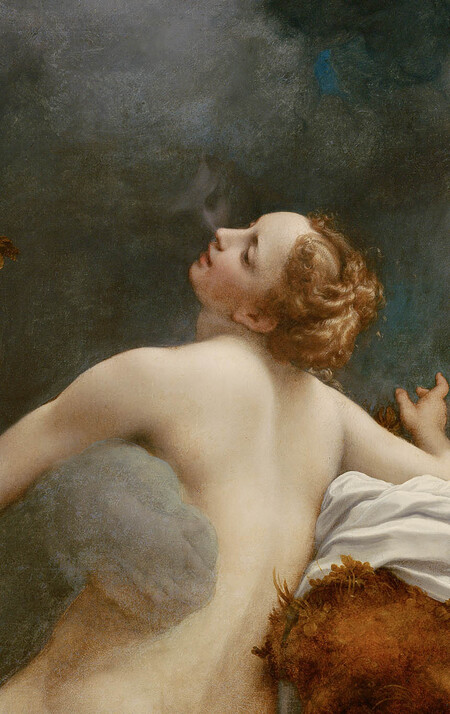
In Correggio’s painting, Jupiter and Io (1530), ecstasy is under control. Female pleasure is depicted only in a way that is advantageous and pleasing to the viewer.
A goddess descends to earth. Venus moves into a modern domestic interior. Her gaze simultaneously invites and submits to the viewer.
The Venus of Urbino, Titian, 1534
Часть 2
Baroque and Rococo. Voyeurism as a Game
The appraisal of the female body becomes the literal subject of the painting. The viewer automatically places themselves in the position of a judge, selecting the most beautiful.
Peter Paul Rubens, The Three Graces, 1630–1635
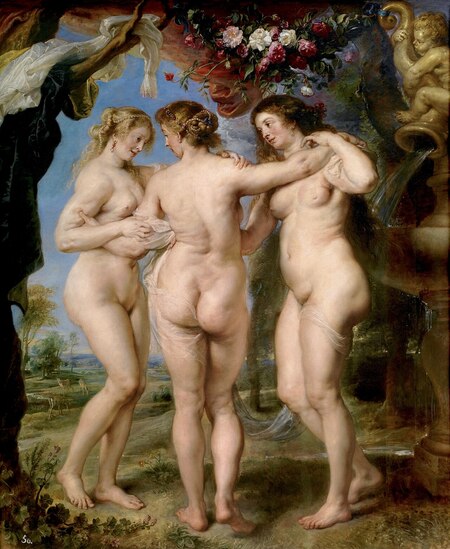
Peter Paul Rubens’ The Three Graces, 1630–1635, portrays corporeality as visual abundance. The composition is arranged to demonstrate the subject from all possible angles.
Dramatic manipulation of light (chiaroscuro). Light is used as a controlling instrument—it literally guides the viewer’s gaze to specific areas of the body.
Rembrandt, Danaë, 1636
Mirror Trap. The reflection is optically flawed: Venus is not looking at herself; instead, in the mirror, she reflects the gaze of the viewer watching her, confirming their presence.
Diego Velázquez, The Toilet of Venus (The Rokeby Venus), 1647–1651
The Rococo Era. Dominance softens, transforming into courtly play, veiled flirtation, and theatricality.
Antoine Watteau, Pilgrimage to the Island of Cythera, 1718–1721
Blatant eroticization. The body completely sheds its sacredness and becomes an object of luxury—an element of sophisticated interior design.
François Boucher, Blonde Odalisque, 1752
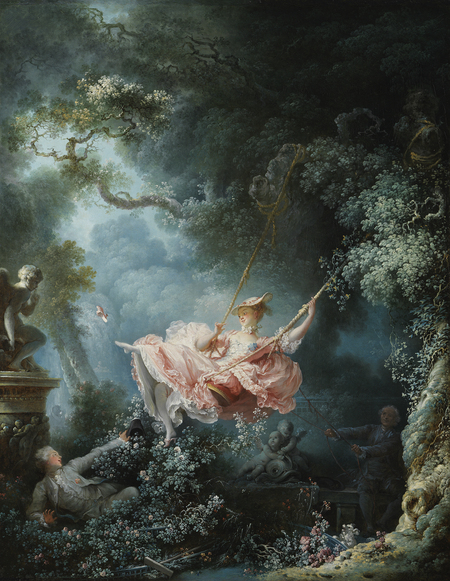
Visualization of voyeurism. The entire composition of Jean-Honoré Fragonard’s painting, The Swing (1767), is physically and narratively structured around a voyeuristic male gaze from below.
Часть 3
19th Century. The Break from Academicism