This article examines the phenomenon of the «spotlight effect”—the sensation that one is being watched, even when no one is present. The material explains how this feeling is connected to the observer effect, the Hawthorne effect, social facilitation and inhibition, as well as the spotlight effect and the concept of „life through others' eyes.“ It reviews the evolutionary and neuropsychological mechanisms for recognizing gazes, the role of peripheral vision, and cognitive biases. The final section offers practical recommendations for reducing the anxiety associated with this sensation.
Longread translated automatically
Original size 1140x1600
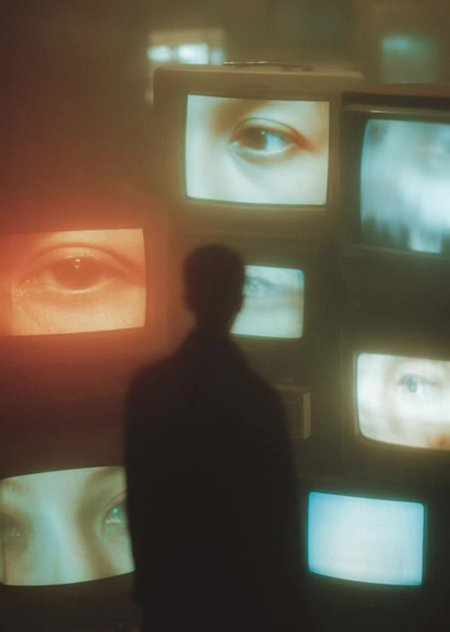
Article «The Spotlight Effect»: Why We Feel Watched
More projects in media communications
Anna Klimoshenko
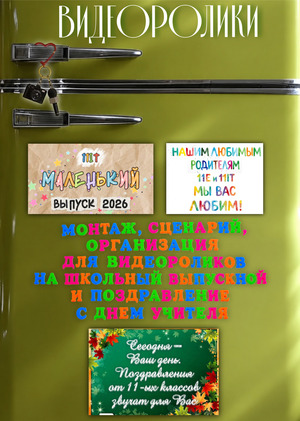
Монтаж двух видеороликов подготовлен для выпускного: «Мама, я тебя люблю» и видео под песню «Маленький» группы «Дайте танк (!)». Я отвечала за организацию участников и монтаж. В первом проекте я организовала участие 40 человек, во втором работала с параллелью из 25 учеников. Также я организовала съёмку шуточного интервью с учителями, где участвовала параллель 11-х классов. Проведение интервью, координация участников и монтаж видеоролика выполнены мной.
Anna Klimoshenko
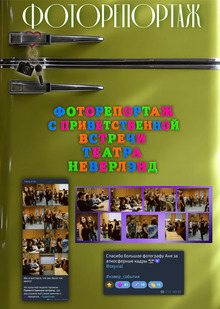
Фоторепортаж с приветственной встречи в студенческом театре «Неверлэнд» выполнен в рамках сотрудничества с PR-отделом. Материал опубликован в Telegram и собрал 711 просмотров и 72 реакции.
cgrave
Portfolio CG Rave — это открытая площадка для авторских портфолио 3D художников. Размещайте свои работы, чтобы их заметили в сообществе CG, ваши будущие коллеги и потенциальные заказчики.
Igor Gurovich, Enjoy The Process Carpet, 2025
От 50 000 ₽

Интерьерный постер с вашей датой
От 940 ₽

Модульный кофейный столик «The table totema»
60 000 ₽

WAM № 11 / 11,5 Журнал «World Art Музей»
2 000 ₽

Noor. Mozart. 2025
От 987 ₽

Ника Хахаева, Открытка «С нг!», 2026
65 000 ₽

Acrylic refill pack, 100 ml, black
От 790 ₽

«ART» 2025 № 4
От 8 750 ₽

Праздничный ракетоносец
От 940 ₽

Подвесной светильник «YOLKINS»
8 000 ₽

Yuri Gordon, Silence of Presence Carpet, 2025
100 000 ₽

White Metal Tiger
От 940 ₽

Фруктница «The bowl fruity»
9 000 ₽

АRТ № 9. 25 лет журналу WAM
8 750 ₽

Думаю о тебе
От 940 ₽

Ольга Селезнева, «Перекресток на Вознесенском», 2026
110 000 ₽

The Foxes
От 940 ₽

Igor Gurovich, Art Is Hard Carpet, 2025
50 000 ₽

Alla Pugacheva
От 1 175 ₽

«ART» 2025 № 7
8 750 ₽

Igor Gurovich, Enjoy The Process Carpet, 2025
От 50 000 ₽
Интерьерный постер с вашей датой
От 940 ₽
Модульный кофейный столик «The table totema»
60 000 ₽
WAM № 11 / 11,5 Журнал «World Art Музей»
2 000 ₽
Noor. Mozart. 2025
От 987 ₽
Ника Хахаева, Открытка «С нг!», 2026
65 000 ₽
Acrylic refill pack, 100 ml, black
От 790 ₽
«ART» 2025 № 4
От 8 750 ₽
Праздничный ракетоносец
От 940 ₽
Подвесной светильник «YOLKINS»
8 000 ₽
Yuri Gordon, Silence of Presence Carpet, 2025
100 000 ₽
White Metal Tiger
От 940 ₽
Фруктница «The bowl fruity»
9 000 ₽
АRТ № 9. 25 лет журналу WAM
8 750 ₽
Думаю о тебе
От 940 ₽
Ольга Селезнева, «Перекресток на Вознесенском», 2026
110 000 ₽
The Foxes
От 940 ₽
Igor Gurovich, Art Is Hard Carpet, 2025
50 000 ₽
Alla Pugacheva
От 1 175 ₽
«ART» 2025 № 7
8 750 ₽
Top