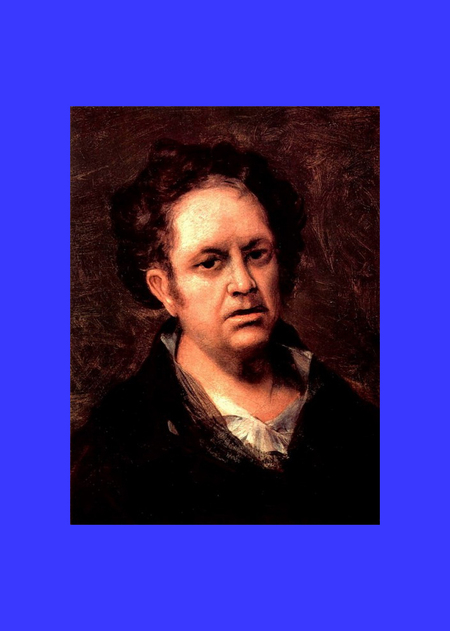
Francisco José de Goya y Lucientes—an Iberian painter and graphic artist, one of the earliest and most prominent figures of the Romantic era.
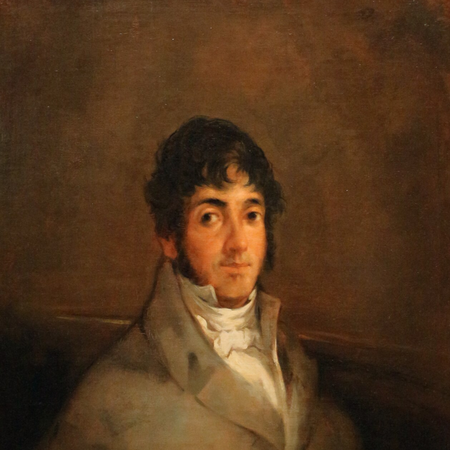
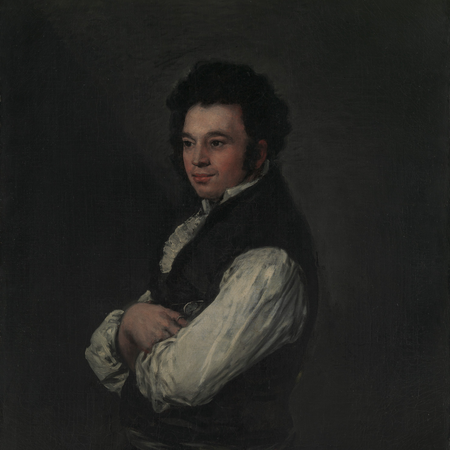
Goya portraits prepared for the learning process from a pre-existing dataset
Francisco Goya has always been one of my favorite artists. His distinctive, unconventional painting style is only slightly reflected in his portraits—despite this, they remain recognizable, and it is difficult to confuse them with the works of other artists.
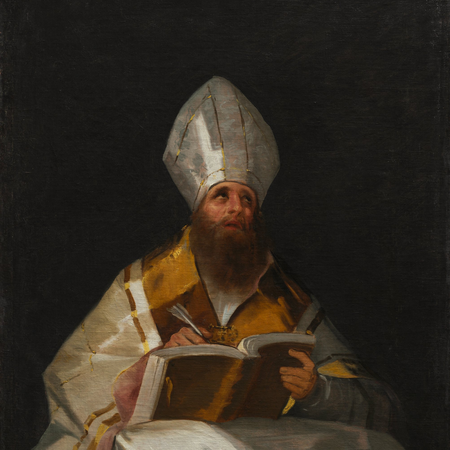
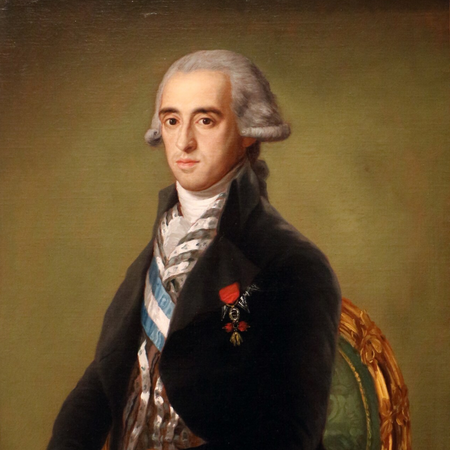
Goya portraits prepared for the learning process from a pre-existing dataset
To generate images, I trained a model specifically on Goya’s portraits and created a series of portraits in his style featuring contemporary people we encounter every day.
Preparation for study
First, you need to install all the necessary libraries for the project. We will also create a variable for the base model for future fine-tuning.

Next, we establish the path to the folder containing the training files: 69 images prepared specifically for this purpose. These are digital reproductions of paintings by Francisco Goya, sourced from open internet archives, cropped to a 1:1 aspect ratio, and resized to 1024×1024 pixels.The next step was to create a small material demonstration within a notebook.
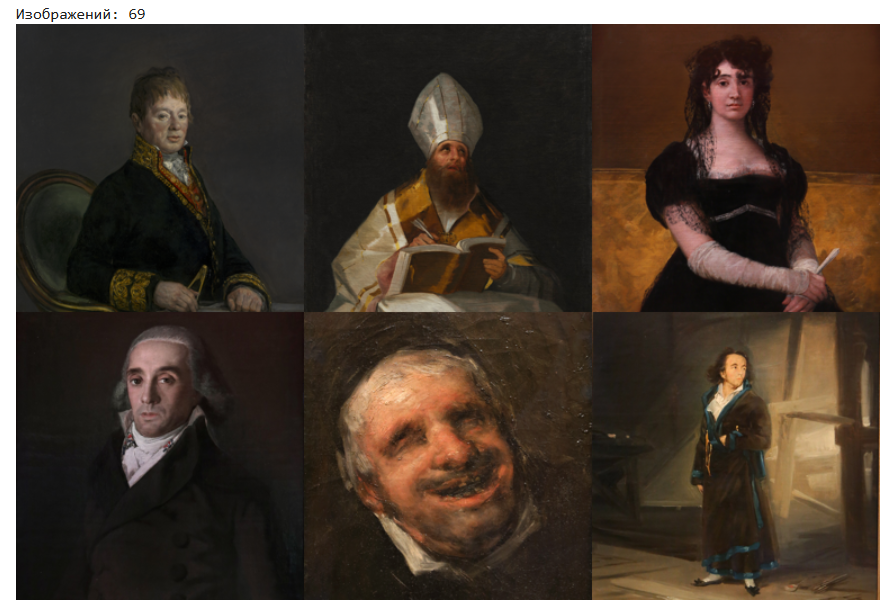
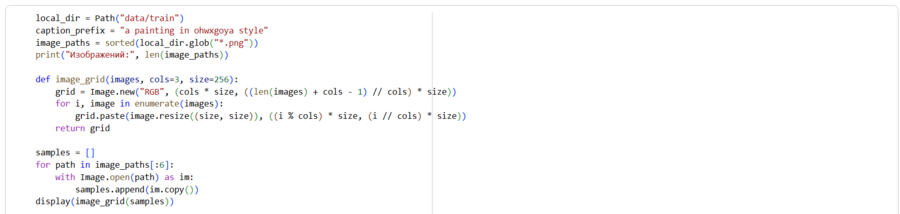
Next, using the Blip model, we assign captions to the images in the dataset and output them to a separate file named «metadata.jsonl».
To finish the process, we clear the memory so that Blip does not occupy the video card.
the learning process
Setting training parameters: resolution, learning rate, and so on.
We’re launching classes! :)
generation
Setting up the generation pipeline.Writing the first prompt and seeing the results :)
The result conveys the feeling of a painterly portrait, created with bold brushstrokes and a high-contrast, shadowed background characteristic of Romantic-era painting. We will generate a series of images to see if these features are maintained throughout the series.
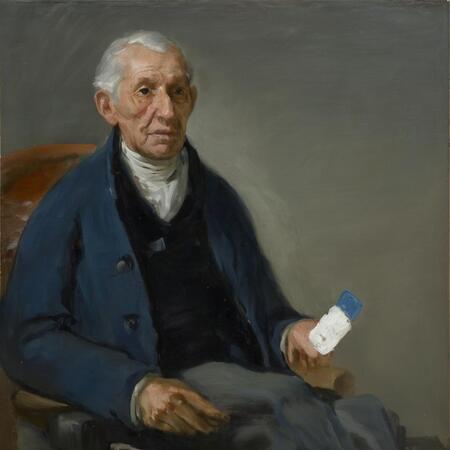
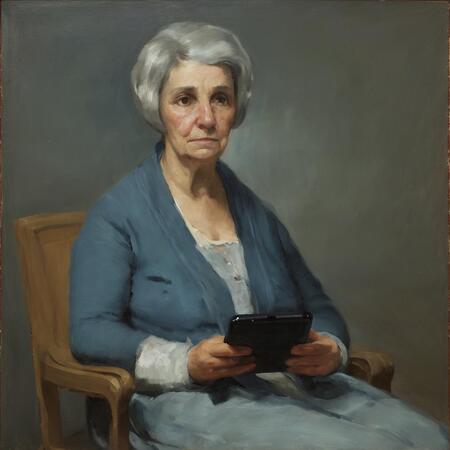
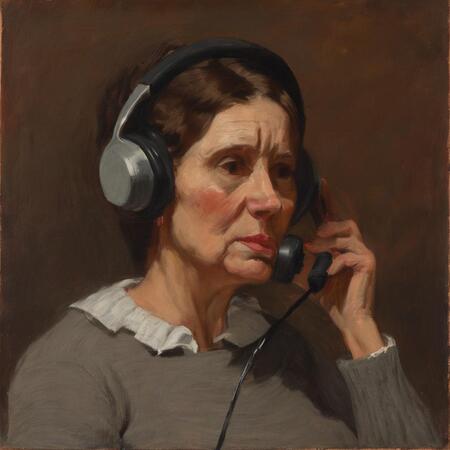
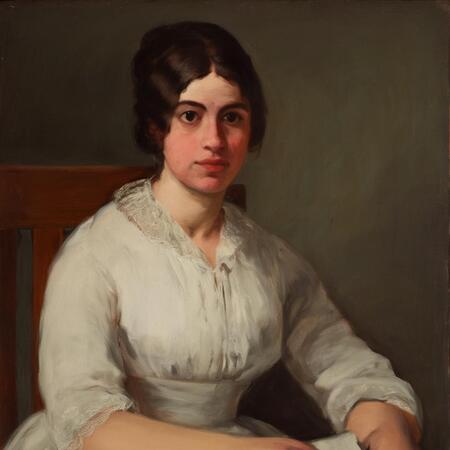
In conclusion, the model successfully recreated the typical portrait composition and chiaroscuro in every image. It also handled the representation of brushstroke texture and oil paint well, generating human faces, clothing, and accessories in a characteristic «painterly”—rather than overly realistic—manner.
Goya’s style is not strikingly evident, but some characteristic features are visible: dark, large eyes, his distinctive color palette, hairstyles, and costume details.
Overall, it can be summarized that the broader characteristics of Goya’s painting were successfully „captured, ” but executing the finer details of the model proved challenging.