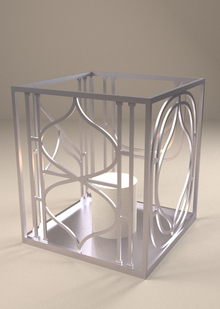
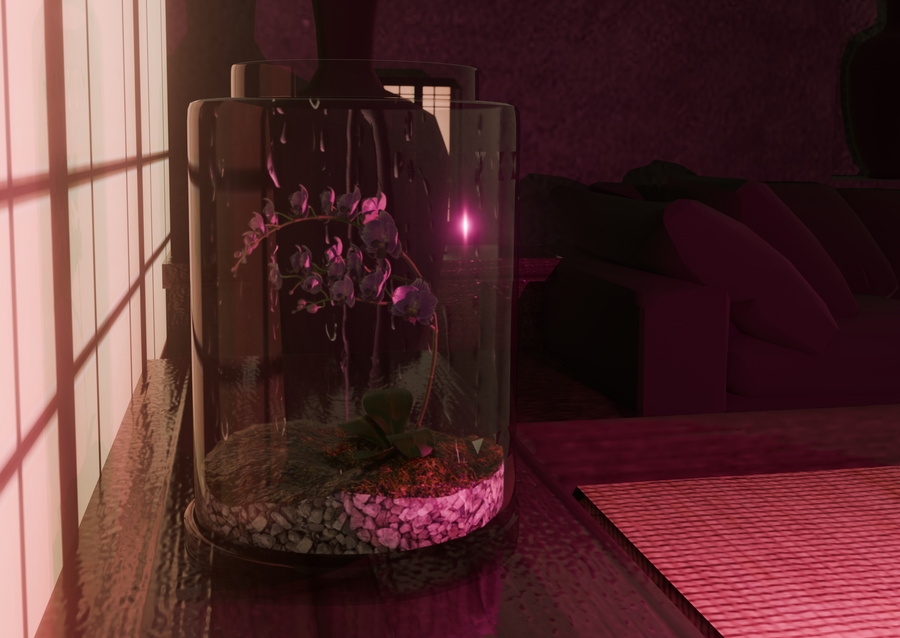
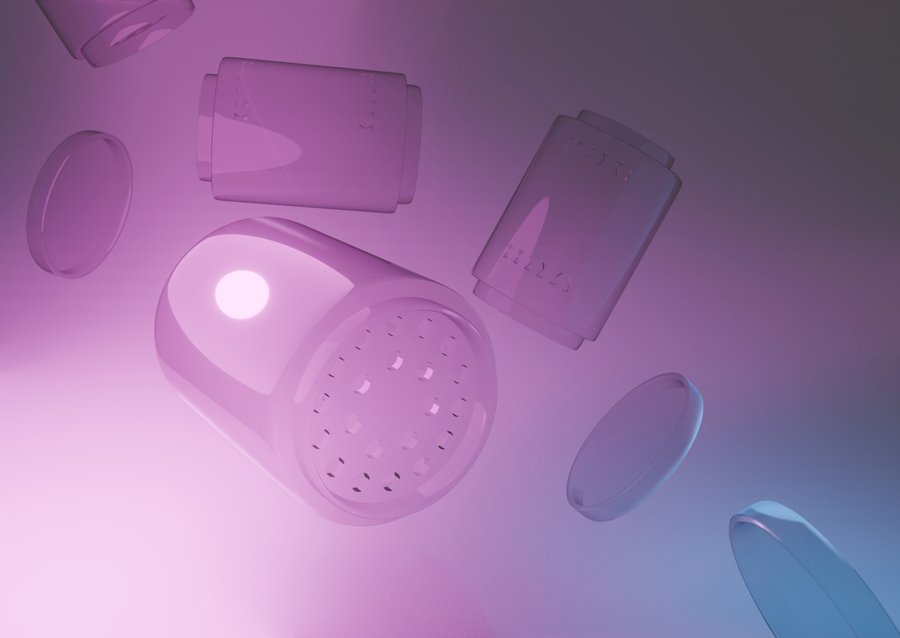
Design of a borosilicate capsule for plants, inspired by the game «Delta T» and created as part of a learning module.The capsule can be used as a decorative object or as a planter for flowers with rocky drainage.
Concept
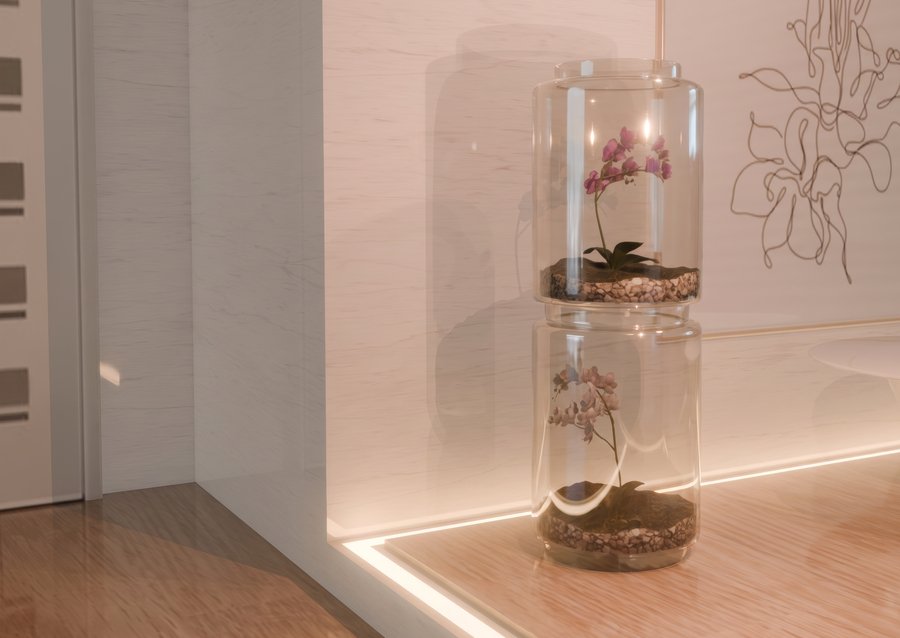
This capsule is designed for plants that require uniform watering and good ventilation. Because of its shape, one capsule can be stacked on another. When the top plant is watered, the water will disperse through the drainage system and reach the lower plant through holes at the bottom. This mimics a natural environment, especially for plants that grow on trees in nature.Holes are located on the bottom and top to allow air circulation and ventilation into the plant and the drainage system itself.
Connection to Play
The subject features a futuristic design because the game takes place in a space laboratory. Furthermore, a key mechanic of the game is transporting plants under the correct conditions. The capsule helps maintain the most favorable environment for the plant.
The form was inspired by the detail of a constructor, allowing for easy interlocking.
Metrics and Concept Art

Production
Manufacturing Method: The capsule is made from borosilicate tubing (Duran / Pyrex type) using hot molding on a mandrel: the blank is heated to a pliable state, the expanded base and narrowed neck are formed, and subsequently, drain and ventilation holes are laser-cut. After annealing, the edges are polished.
Material: Borosilicate glass.
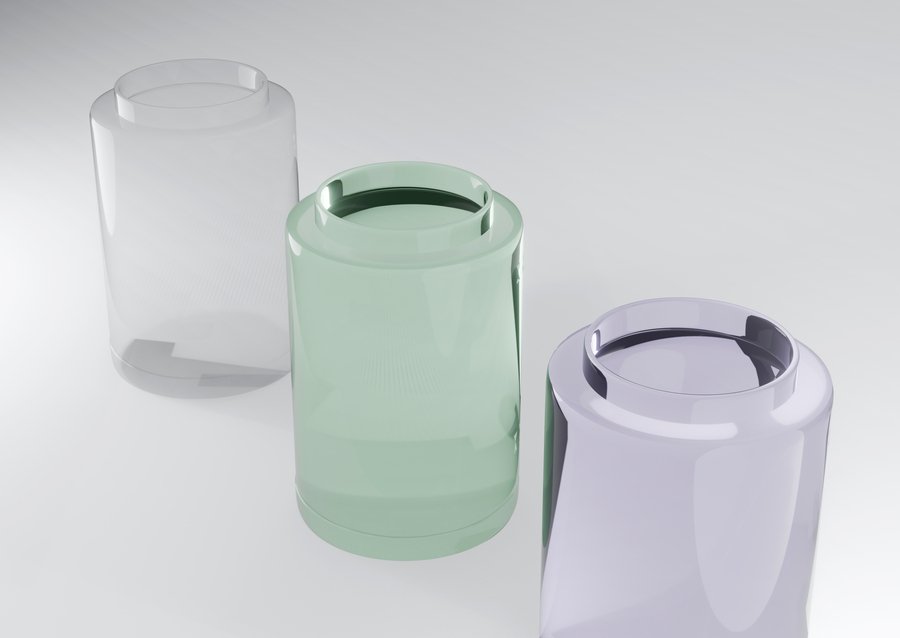
Colors: Clear, mint, lilac.
Target Audience
Anna, a white woman from Minsk, aged 25–30. She enjoys growing houseplants, plays computer games, and has a glass shelving unit for figurines at home. She lives in a private house with modern interior design.
Consumer Need: Most plant pots do not integrate well with interior design, nor are they suitable for plants that require more airflow and even watering. Several times, orchids have died on Anna’s watch because of standard pots that retain too much water.
Production Technology
Concept Development Searching for references for capsules, modular pots, and primitives with a suitable shape for interlocking. Developing the function of the object.
Sketch Creation Developing the silhouette, proportions, layout of drain holes in the base, and triangular ventilation elements along the top and bottom rims, taking into account the stacking of capsules and glass thickness.
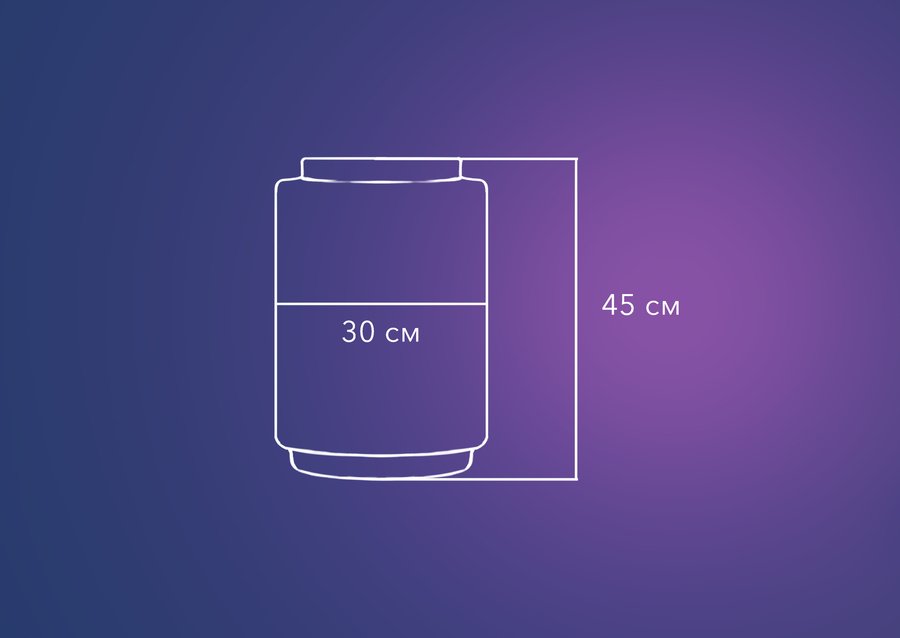
3D Modeling Creating a digital model of the capsule with dimensions of 45 cm × 30 cm. Refining the inner profile of the water tray, wall thickness, drain holes in the base, and triangular ventilation slits.
Production Preparation Checking the model’s geometry, manufacturability, and wall thickness uniformity; selecting a steel mold for hot forming; developing the laser perforation scheme, cutting trajectories, and annealing regimes.
Material Preparation Selecting borosilicate tubing of the required diameter and wall thickness; checking glass quality for bubbles; marking and cutting the blank to the capsule size; cleaning the edges before forming.
Hot Forming Heating the blank to a plastic state and blowing it onto the mold.
Perforation, Annealing, and Post-Processing Laser cutting the drain holes in the base and triangular ventilation slits; annealing at approximately 560°C to relieve internal stress; polishing the edges.
First Sample Production Evaluating the glass clarity, joint precision, stability when stacked, hole quality, and adherence to the original concept. If necessary, adjusting the model, mold, or annealing parameters.