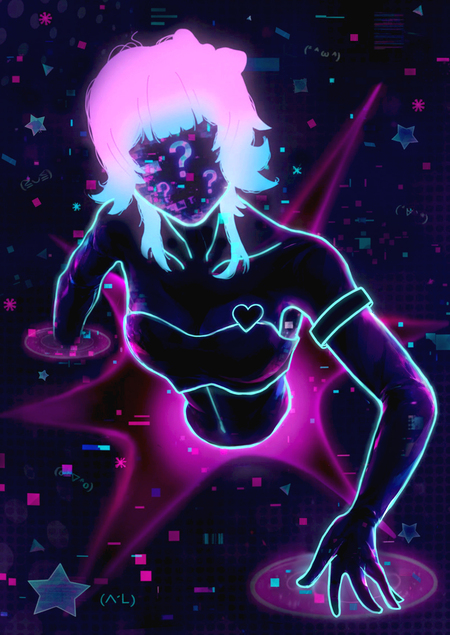
Idol: REBOOT — a 3D RPG psychological action-visual novel featuring turn-based combat, where the player collects fragments of a virtual idol’s memories to restore her identity and defeat a virus in tactical battles.

General Information
USP: A charming psychological horror about a virtual idol grappling with the pressures of the industry, beliefs, and a virus.
NSM: «Very positive» reviews on Steam.Camera: Third-personPlatform: PC middle, digital stores.

Setting
In our time, people form fandoms around virtual idols. Their personalities are shaped by interaction with millions of fans, and the digital world in which they exist is constantly changing. But it has a dark side: viruses corrupt data and distort the idols' consciousness. Yume is one of them, and her space is already infected.


Theme: Identity The persona of a virtual idol is woven from the attention of millions of fans. When a virus erases that connection, Yume loses herself. As she gathers the fragments of her memory, she learns to be herself again—not just a collection of data, but a being capable of change. The game asks: what makes us who we are—memory, the opinion of others, or our own will?
Target Audience
Kira, 18–30, is a humanities student living in California, USA. She is a fan of geek culture, anime, and follows fandoms, streams, and idols. She enjoys psychological horror and stories about self-discovery, and she keeps up with technological advancements.
In games, she values interesting plots with complex conflicts, likes beautiful locations, and enjoys strategizing the best way to complete them. Outside of gaming, she watches videos about subcultures and idol survival shows.
Pillars
- The player crafts the Yume as an individual personality and combat unit.
- Progress is driven by the character’s growth and development, not by leveling up.
- Personality Shards are a resource: combat skills and pieces of the storyline that must be collected.
Digital Space and Yume
The player enters corridor environments that resemble endless labyrinths. This infected digital world is divided into floors, and to progress, the heroine must find an exit from the current level and carve a path upward through distorted data.
Shards of Memory: — materialized fragments of Yume’s memories. The player collects them and installs them onto the heroine, literally constructing her personality and combat style.
Each shard enhances specific character traits, which are reflected in the dialogue and plot, and unlocks a new ability for use in combat. These traits form different sets of parameters that determine Yume’s combat power and personality. By combining shards with various attributes, the player crafts a build tailored to specific enemies and observes how the heroine’s character evolves.
DIGITAL ERROR
Infected enemies prevent Yume from leaving this world. They possess the same set of characteristics as the heroine, follow her, and engage in battle if they become aware of her. To avoid unnecessary danger, it is best to steer clear of some of them.
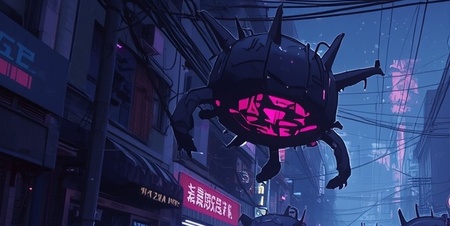

If combat cannot be avoided, a step-by-step battle begins. The initiative goes to whoever attacks first. Yume’s and the enemies' stats operate on a «rock-paper-scissors» principle: the right selection of fragments and abilities allows you to strike at the enemy’s weaknesses.
Infection
Defeat Proximity Scale. Every loss in battle or virus attack fills it. Upon becoming full, the location resets. Infection is divided into levels that gradually harm Yume—from visual interference to battle debuffs.
Changing Days& emdash; a narrative pause between floors. Short dialogues reveal Yume’s fate, her thoughts, and experiences. It serves as a break from the core gameplay.