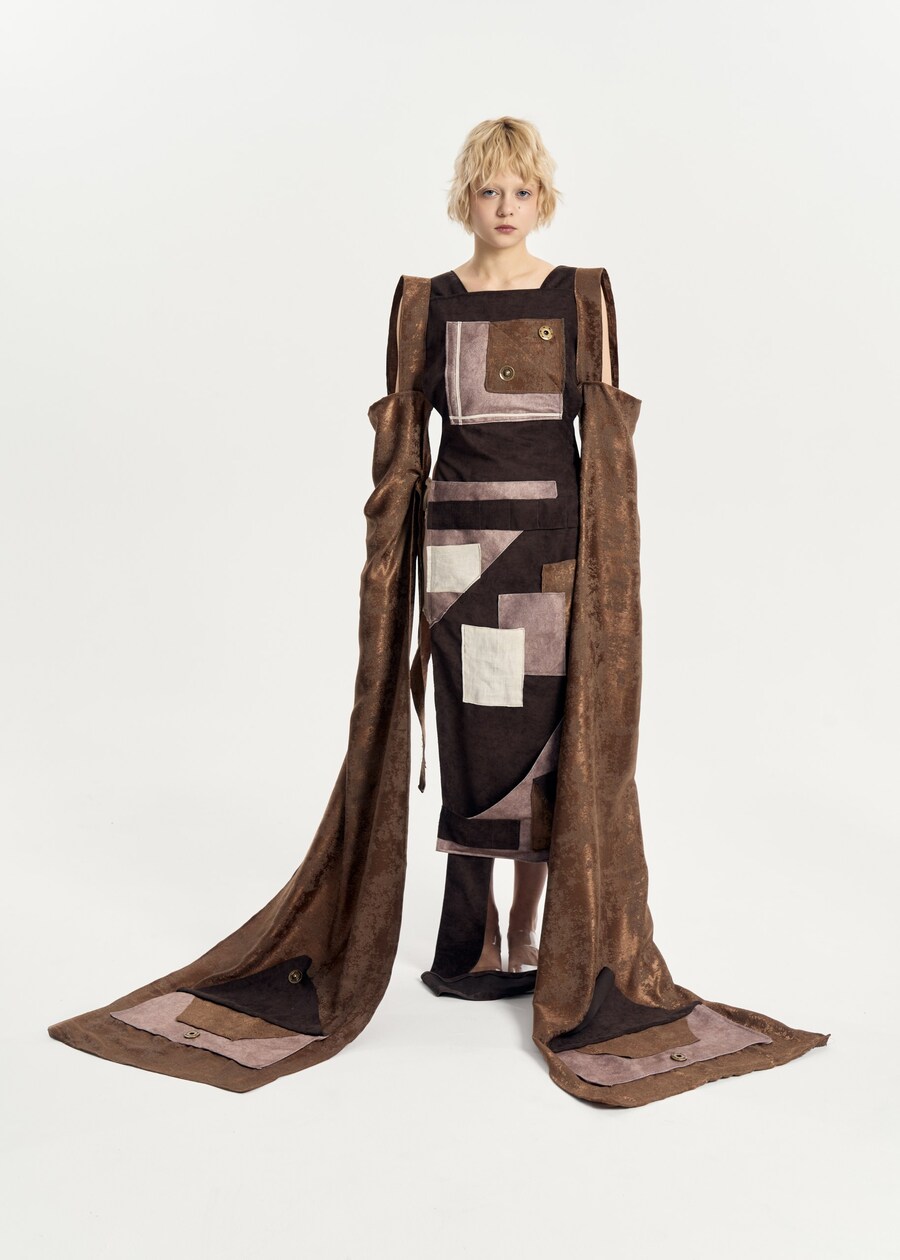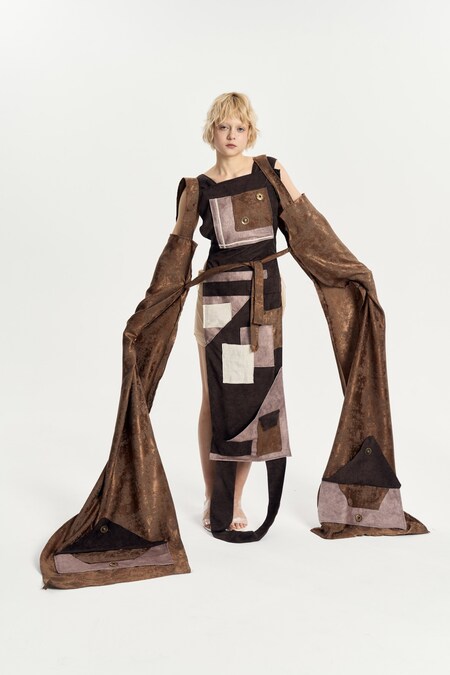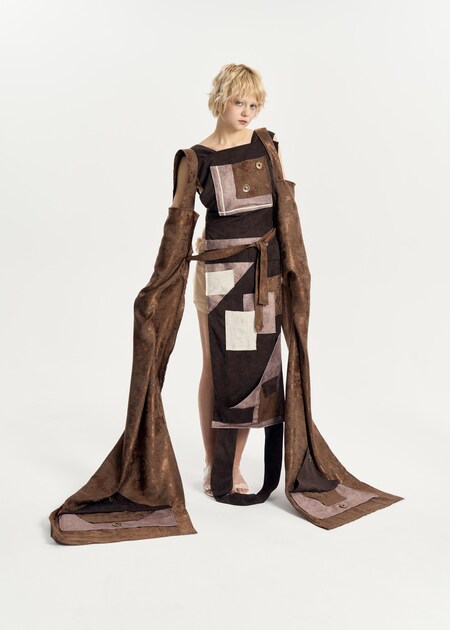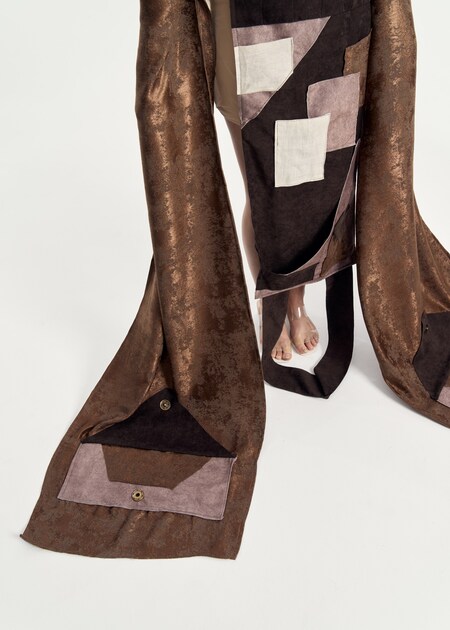
LOAN THAT BECOMES YOURS
The project explores the relationship between form, function, and meaning using New Holland as a case study—a space whose purpose has repeatedly changed throughout its history while retaining architectural traces of the past. The history of this island prompts reflection on how an object’s meaning shifts when its original function is lost, yet its physical form endures.
New Holland, initially established in the 18th century to store timber and serve shipbuilding needs, has repeatedly changed its function over time. This island, historically associated with Dutch influence and European conceptions of naval architecture, was realized on Russian soil by Russian laborers and craftsmen. Today, the former industrial site has been transformed into a public and cultural space, while still retaining traces of its past.
The reinterpretation of the island’s history was driven by the collision of two images: a borrowed form meeting its own material foundation, the industrial past colliding with the contemporary cultural space. New Holland exists between the foreign and the familiar, between its original function and its new purpose. Its walls hold the memory of the labor that made the island possible, while modern life infuses them with a different meaning. But does the essence of the place change along with its role—or does the former story continue to live beneath a new veneer? Perhaps it is precisely in this dissonance between form and function that the true identity of New Holland lies.