Concept
Animal characters created with computer graphics in the film industry are a fairly common phenomenon. However, when an animal must appear consistently, play a starring role, feature in most shots, look realistic, and yet maintain a recognizable identity, the task for the team becomes more complex. In such cases, specialists realize they must bring the character to the highest level of execution.
This is precisely why a digital character that spans an entire franchise presents a unique research interest: it must not simply be created once, but continuously adapted to new production demands and technological capabilities. Throughout this process, the character’s recognizability must be maintained from one film to the next, despite changes to its digital model, rigging, animation, and methods of integration into the footage.
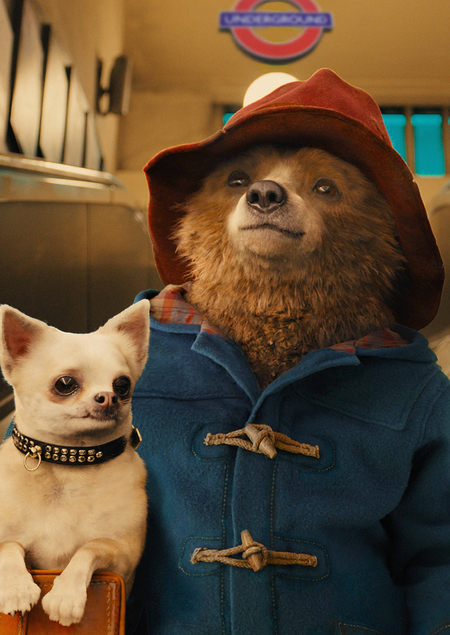
A still from the film «Paddington Adventures, ” 2014.
A prime example is Paddington—the digital bear created by Framestore for the Paddington film trilogy. Unlike a character that appears only in isolated scenes, Paddington is central to the action, interacting with live actors and the environment for nearly the entire film. Therefore, the quality of his rendering is determined not by a single technology, but by a comprehensive set of processes: the creation and detailing of the digital model, the development of the rigging system, the animation of behavior and facial expressions, physics simulation, and the subsequent integration of the character into the live-action footage.
It’s like learning to play a musical instrument: each animator becomes a Paddington virtuoso, and my role as conductor is to bring them all together to create a harmonious performance.
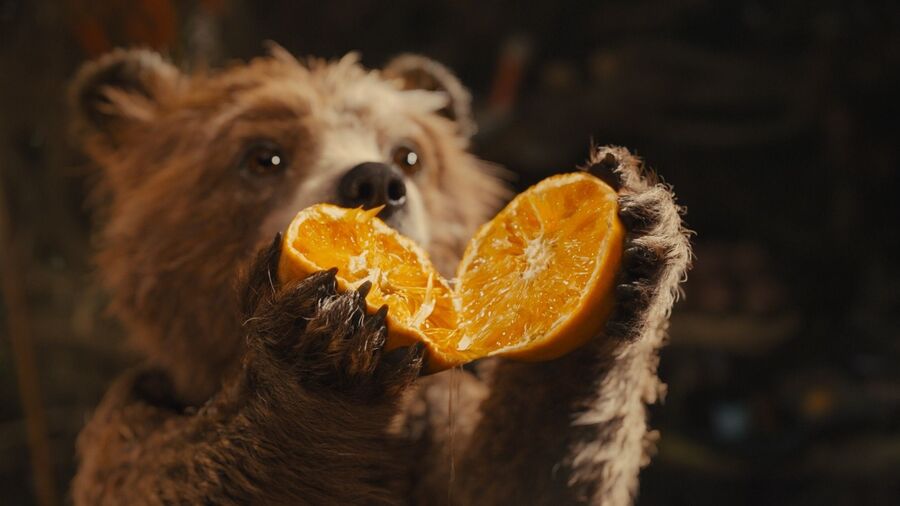
Still from the film «Paddington Adventures,» 2014.
The film «Paddington Adventures» was the first feature-length film about the bear Paddington, adapting the literary character into the realm of live-action cinema. The story centers on a small bear who finds himself in London and gradually becomes part of the Brown family. Since Paddington exists within the same visual space as real actors and surroundings, his presence on screen requires a precise combination of computer graphics and filmed footage. The second installment continues this narrative, maintaining the character’s external appearance while simultaneously expanding the possibilities for his animation and visual execution. The third installment—"Paddington in Peru"—transports the hero to new environments, showcasing another phase in the development of his digital model.All three films were created with the participation of Framestore, allowing them to be seen as interconnected stages in the evolution of a single digital character. Throughout the work on the trilogy, the approaches to modeling, creating and simulating the fur, animating expressions and movements, as well as integrating Paddington into live-action cinematography, evolved. Throughout this process, one of the core production challenges remained for the specialists: to make the character more detailed and physically convincing without losing his recognizable features. It is particularly notable that for the third film, Paddington’s digital model was redesigned to accommodate 4K resolution, and the fur structure was given a higher density and finer fibers.
The work on the digital character brought together specialists from various fields. Key contributors to the production included VFX supervisors Christian Kestner (2014 film), Andy Kind (2017 film), Sylvain Degrootte (2024 film), as well as specialists in animation, modeling, fur, lighting, and compositing. Pablo Grillo, the animation supervisor, participated in creating Paddington throughout the entire trilogy, consistently working on his animation. This consistency in the team allows one to trace changes not only in the final image but also in the production approaches themselves—from the solutions used in creating the first film to the more complex systems applied in the third installment.
In this research, I examine the evolution of the technologies used to create the digital Paddington across three films in the trilogy—from the first installment in 2014 to «Paddington in Peru» in 2024. The primary focus is on the changes in the character’s digital model, the mechanics system, the animation, and the methods of integrating him with the live-action cinematography. Comparing these parameters allows us to determine which technological shifts directly influenced the perception of Paddington on screen and how his visual believability increased with each new film.
Navigation
- Development of the Paddington Digital Model
- Shading and Fur System
- Integrating Paddington into Footage
- Conclusion
- Bibliography and Image Sources
Puddleton Digital Model Development
Paddington Adventures 2014
Character turntable from the 2014 film
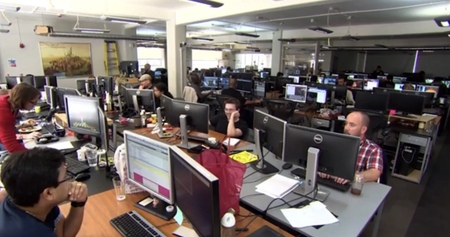
A massive team of developers worked on creating the character across all three films. Various production stages involved VFX supervisors, animation directors, digital modelers, and specialists in grooming, shading, lighting, and compositing, among many others. Furthermore, the composition of these specialists and their roles shifted from one film to the next as the production process became more complex.
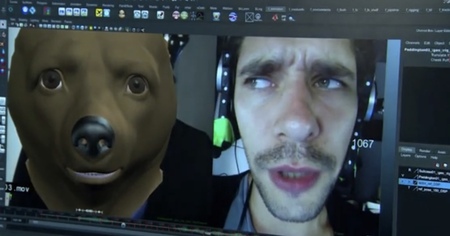
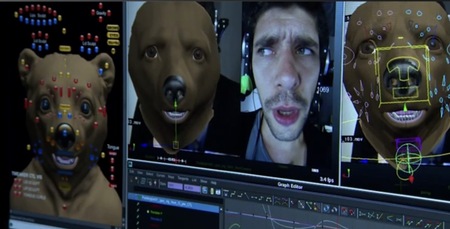
Rigging and Animation Process in a 2014 Film
In the case of creating Paddington, the digital model was developed from the outset as a photorealistic CG character intended to exist within live-action footage. Therefore, Framestore’s primary objective was not merely to reproduce the recognizable traits of the book character, but to build an anatomical and geometric foundation that would allow him to move convincingly, interact with the actors, and exist in the same visual space as the actual filming. In the first film, animation supervisor Pablo Grillo emphasized the necessity of making Paddington «anatomically correct, ” while simultaneously preserving the „simple essence of the original Paddington.“
To determine the proportions, the team compared the model and its rig against the proportions and movements of real people.
Still from the film «Paddington Adventures» (2014)
The head form was developed separately: sketches, sculptural models, and refinements were used, with anatomical details—a wet nose, teeth, and muzzle—added to the final model. At the same time, the facial proportions deliberately differed from the anatomy of a real bear; for instance, the muzzle shape was partly based on the anatomy of a red panda to make the face more expressive.
The first version of Paddington was a specialized CG model with hybrid anatomy, designed simultaneously for photorealistic rendering and subsequent animation.
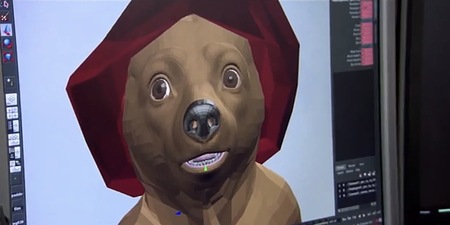
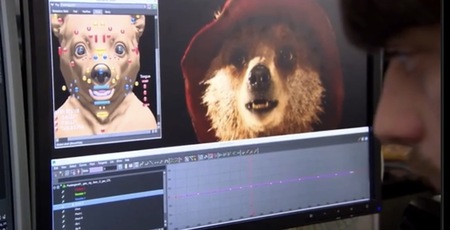
Character Development Process in the 2014 Film
Paddington 2 2017
A still from the film «Paddington 2» (2017)
In the second film, the character was created entirely from scratch. The team adapted and refined an existing asset. The lighting supervisor, Claire Michaud, frames the task this way: «[2] Our first challenge in the visual development team was rebuilding Paddington Bear from the first film using the latest shaders and technologies at the time.»
A scene from the film «Paddington 2»
The team continued work on the character’s facial animation. Pablo Grillo noted that Paddington remains a very restrained character: he cannot be made overly expressive, so emotions are conveyed through subtle movements—such as barely perceptible eyebrow twitches and brief reactions.
In the second film, however, the foundation for the animation became more detailed. Paul King repeatedly recorded Ben Whishaw, selecting the appropriate intonation for scenes, and specific sounds and phrases were used in shaping Paddington’s character and facial expressions.
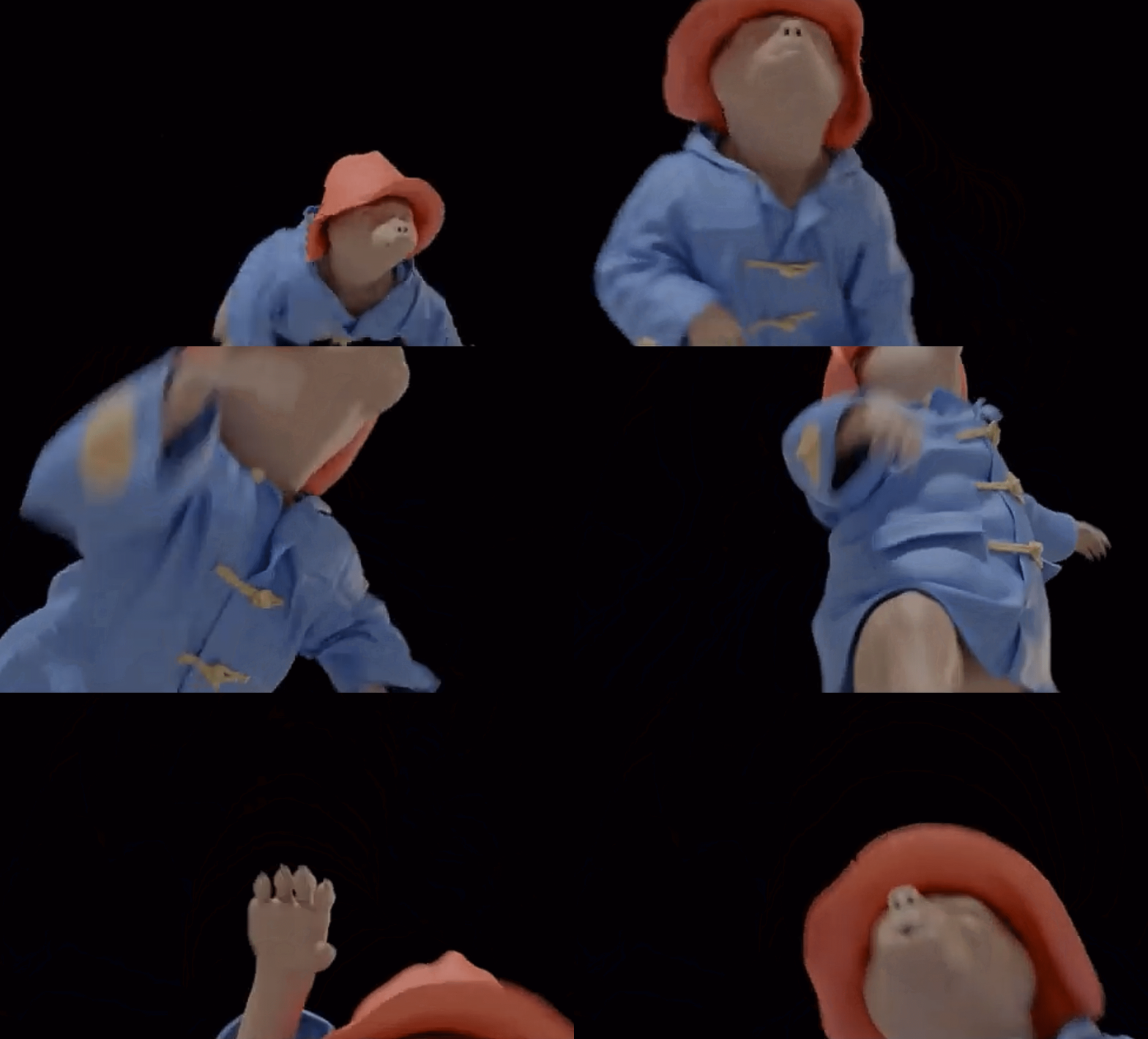
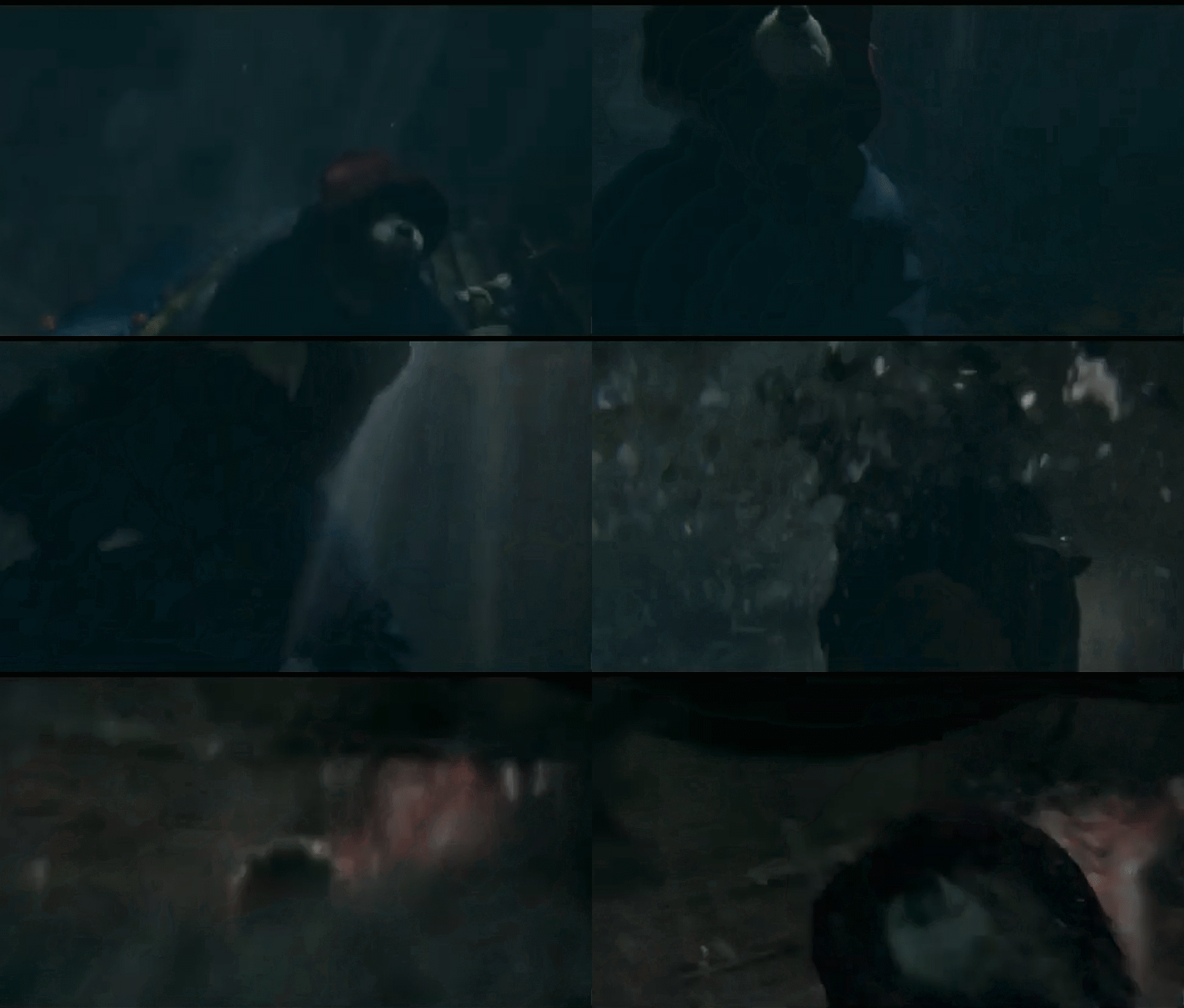
Rough animation model without environment from the 2017 film; Final frame from the 2017 film
However, it was necessary to maintain visual continuity. Therefore, the changes primarily affected the look development, shaders, and groom, while the model itself retained the character’s recognizable features.
Paddington in Peru 2024