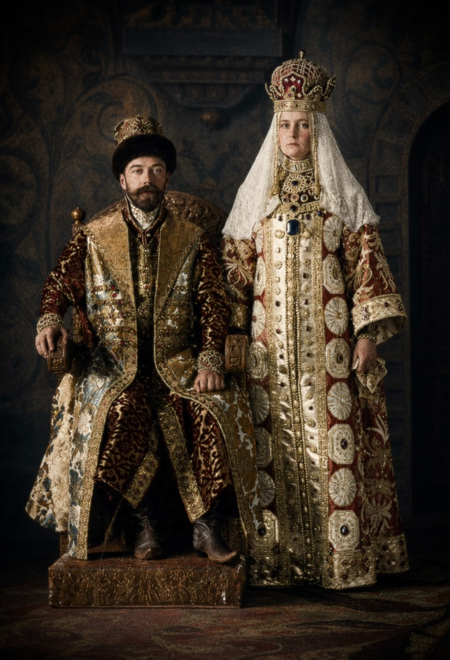

The appearance of Russian royal costume evolved over centuries alongside the development of the state and court culture.


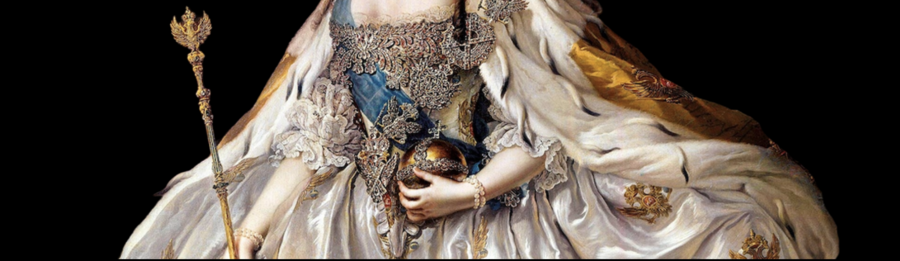
In this study, we will examine the main stages of its development: from the first ceremonial attire of the 16th century to the form of Nicholas II.
The topic selection is rooted in the history and specific evolution of fashion, as well as an attention to the relationship between fashion trends and cultural and societal changes. Royal costume can be studied as an example of how perceptions of appearance, aesthetics, and status have formed and transformed across different historical eras.


Structuring Principle:
The research will be divided into seven main sections. The first section will focus on the research concept, defining its scope, and outlining the primary areas of analysis.
The research will be based on sources selected according to their credibility, thematic relevance, scientific validity, and substantive value.
The question, «Does the ruler’s costume reflect the historical era?» will be central to my research.
First Tsar — First Costume
Portrait of Ivan IV in 16th-century ceremonial robes, holding the orb and scepter—symbols of supreme power.
During the reign of Ivan IV, royal attire was predominantly demonstrative and ceremonial in nature.
«Window to Europe»
Following the traditional Tsarist attire of the reign of Ivan IV, the next key stage in the history of monarchical dress was the reforms of Peter I.
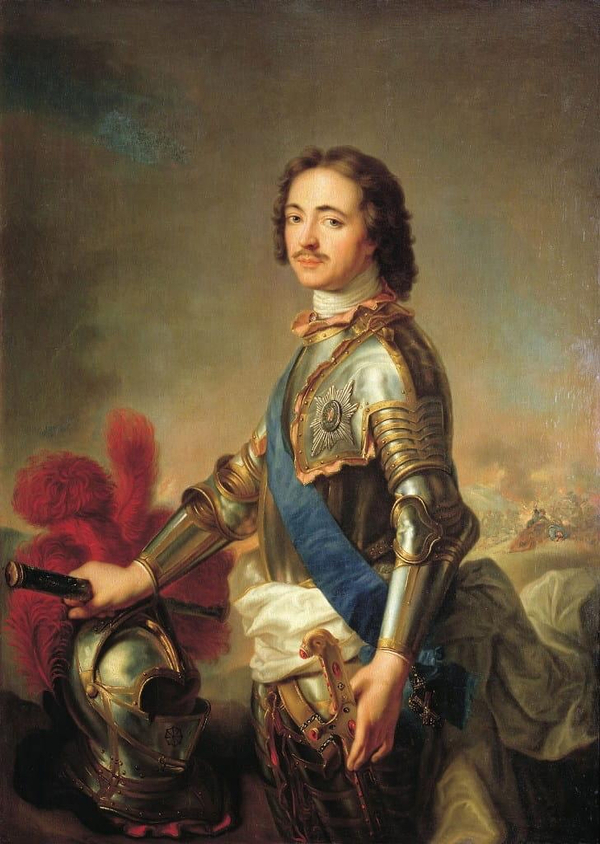
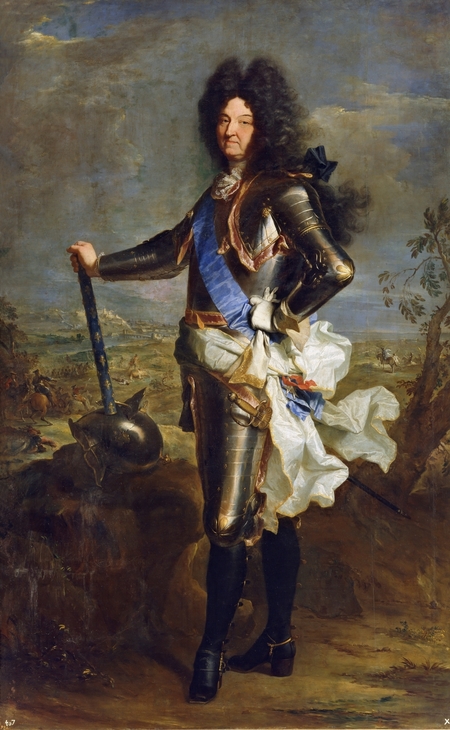
Peter I’s costume in comparison to the attire of Louis XIV of France
details