Event Design: визуальные коммуникации мероприятий
What is this course about?
Event Design is a specialization within graphic design focused on creating the visual identity for events and developing graphic materials for various occasions. It integrates principles of visual communication, branding, typography, composition, and spatial design.
The course introduces students to the fundamental principles of developing visual solutions for events of diverse formats—from music festivals and exhibitions to conferences, educational programs, cultural projects, and corporate gatherings.
Through practical assignments, students will navigate the core stages of an event project—from initial research and concept development to creating mockups and presenting the final solution.
The course is oriented toward mastering graphic design within the context of the event industry, helping students understand how visual solutions shape the perception of an event before, during, and after its execution.
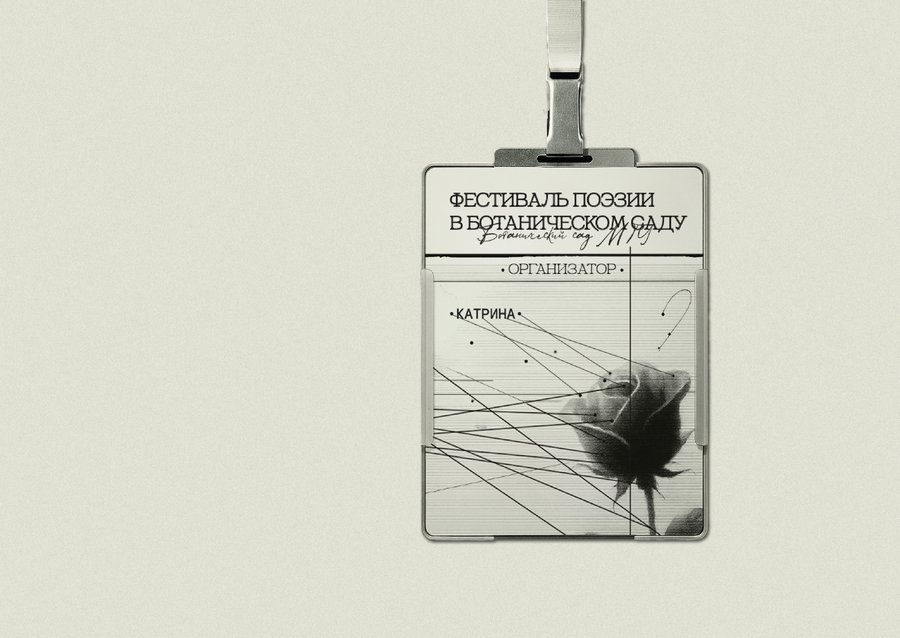
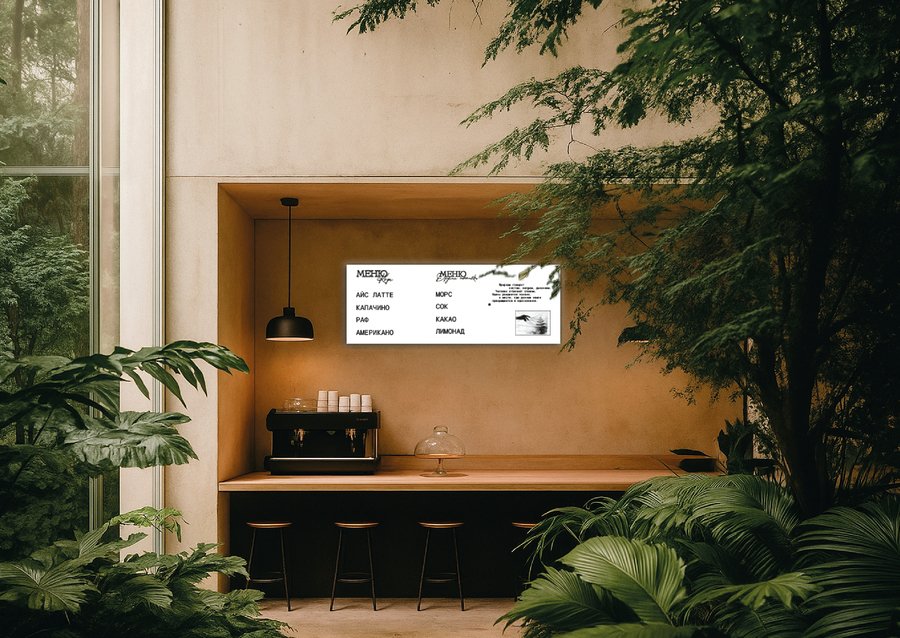
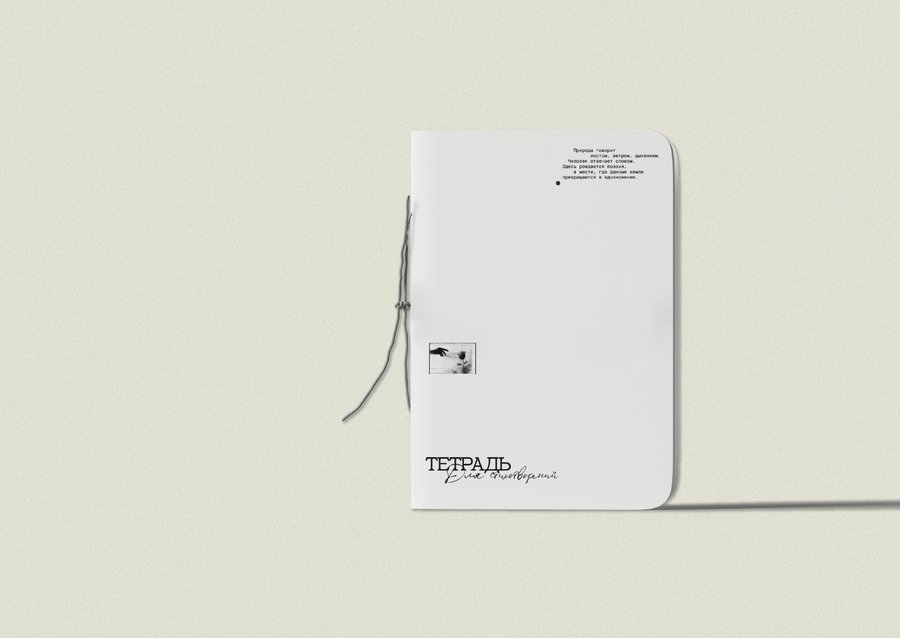
The final outcome of the course is the development of a comprehensive visual system for a chosen event, encompassing a key graphic identity, a suite of communication materials, and elements for the event’s visual presentation.
Who is this course for?
For 4th Year Bachelor’s students in the Creative Industries Management program at the HSE Art and Design School.For aspiring graphic designers, designers working on cultural and commercial projects, event designers, event organizers, and communications specialists.
Course Duration: 16 weeks
Contact Hours:
85 academic hours.
Classes are held in an offline format.
Course Prerequisites.To enroll, you must possess: — foundational knowledge in graphic design, along with proficiency in basic tools such as Adobe Illustrator, Figma, and Adobe Photoshop; — a laptop or computer to complete practical assignments; — the required graphic design software installed for the course; — a commitment to complete practical exercises and systematically develop your own design project.A basic understanding of event organization would be beneficial, but it is not a mandatory requirement. Fundamental principles of visual communication and the stages of design project development will be covered during the course.
What will students learn in this course?
- Analyze the characteristics of graphic design within the event industry and compare them with other areas of visual communication.2. Formulate event objectives, define the target audience, and establish the context.3. Investigate the visual environment and work with references.4. Develop the visual design concept for the event.5. Create the key graphic identity for the event and build a cohesive visual system based on it.6. Integrate typography, color, composition, and graphic elements to create a unified visual solution.7. Design posters, invitations, advertising materials, and digital publications.8. Adapt the visual concept for various formats and media.9. Produce graphic materials for venue decoration, including navigational elements, informational signage, and directional signs.10. Prepare layouts for print and digital distribution.11. Present the concept and justify the design decisions made.
What practical assignments will students complete in this course?
1. Event Design Analysis. Studying and comparing the graphic design of events across various visual communication disciplines.2. Brief Development. Defining the event’s goals, target audience, format, and the core objectives of the visual design.3. Visual Environment Research. Analyzing similar projects, selecting references, and creating a mood board.4. Visual Concept Development. Sketching and determining the primary design direction for the event.5. Creation of the Key Visual Identity. Developing the main visual element and the system of graphic materials based on it.6. Working with Visual Elements. Selecting typefaces, colors, compositional solutions, and graphic elements to form a cohesive style.7. Creation of Promotional Materials. Designing posters, invitations, banners, and social media publications.8. Design Adaptation for Various Media. Preparing visual assets for both print and digital formats.9. Venue Design Development. Creating navigational signage, informational plaques, and other elements for space design.10. Mockup Preparation. Reviewing and exporting files while adhering to print and digital publication specifications. 11. Project Presentation. Presenting the final visual system and justifying the design decisions made.Final Project: developing a comprehensive visual system for the event, encompassing the concept, key visual identity, promotional materials, venue design elements, and the project presentation.
Thematic Lesson Plan
Lesson 1. Graphic Design Characteristics in the Event Industry Exploring the specifics of visual communication within the events sector. Analyzing the design of festivals, exhibitions, conferences, and cultural events. Comparing event design with advertising, branding, and digital design. Practical Assignment: analyzing the visual design of a chosen event and defining its unique characteristics and expressive elements.Lesson 2. Defining Tasks and Developing a Brief Studying the structure of a design brief. Determining the event goals, target audience, format, venue, theme, and the objectives of visual communication. Practical Assignment: creating a brief for the graphic design of one’s own event.Lesson 3. Investigating the Visual Environment and Analyzing References Examining similar projects, searching for visual solutions, and analyzing current trends in event design. Principles for selecting and systematizing references. Practical Assignment: curating references and creating a mood board with examples of typography, color palettes, graphics, and composition.Lesson 4. Developing the Visual Concept for the Event Principles of forming a design concept based on the brief and research findings. Searching for a visual idea, working with associations, metaphors, and imagery. Developing several conceptual directions. Practical Assignment: sketching two or three variations of the visual concept and selecting the most appropriate solution.Lesson 5. Developing the Key Graphic Identity of the Event Principles of creating the primary visual identity for an event. Working with graphic symbols, illustrations, shapes, patterns, and original compositions. Connecting the image to the event’s theme and concept. Practical Assignment: developing the key graphic element for the event and several options for its visual execution.
Session 6. Typography, Color, and Composition in Event Design Foundational principles of typography, font pairing selection, and color palette development. Compositional hierarchy, balance, contrast, rhythm, and accents. Principles for ensuring information readability. Practical Assignment: Developing the project’s typographic and color system, and creating compositional mockups using selected graphic elements.Session 7. Developing a Cohesive Visual System for an Event Principles of building a unified visual style. Integrating the core motif, typography, color, and graphic elements. Developing guidelines for applying visual components across various media. Practical Assignment: Creating a basic set of visual system elements and examples of their application in multiple formats.Session 8. Designing an Event Poster The function of a poster within an event’s visual communication system. Principles of composition, information hierarchy, and placement of titles, dates, venue, and other essential details. Practical Assignment: Designing the main event poster using the approved visual concept.Session 9. Design of Invitations and Print Materials Specifics of designing invitations, programs, flyers, and information cards. Working with formats, information structure, and visual consistency across materials. Practical Assignment: Creating an invitation and an additional print material in a unified style with the poster.Session 10. Designing Digital Channel Materials The specifics of visual communication in social media and digital advertising. Adapting content and composition for posts, stories, and ad banners. Practical Assignment: Developing a series of digital posts to promote the event while maintaining a cohesive visual style.
Session 11. Adapting Visual Concepts for Various Media Principles of scaling graphic solutions. Nuances of working with different proportions, sizes, and viewing conditions. Maintaining visual identity when the format changes. Practical Assignment: Adapting a key visual identity for several media formats, such as a horizontal banner, a vertical poster, and a screen display.Session 12. Graphic Design for Event Space Principles of integrating graphic design into the physical environment. Features of designing entrance areas, photo zones, information stands, and functional spaces. Accounting for the scale and viewing conditions of graphics. Practical Assignment: Developing the graphic design for one of the event zones using elements from the overall visual system.Session 13. Navigation and Informational Graphics Fundamentals of designing navigation systems. Visual hierarchy, clarity of signage, and the system of symbols and pictograms. Developing informational placards and maps with visitor convenience in mind. Practical Assignment: Creating a set of navigation elements for an event: directional signs, informational placards, and a map of the main zones.Session 14. Preparing Layouts for Print and Digital Publication Technical requirements for graphic files. Formats, resolution, color models, bleed, safe margins, font checking, and export. Differences between preparing print versus digital materials. Practical Assignment: Preparing the developed layouts for print and digital publication, verifying technical parameters, and correcting errors.
Lesson 15. Layout and Refining the Final Design Project Principles for presenting a design project. Systematization of developed materials, demonstration of the visual concept and its application across various media. Verification of the integrity and consistency of the solutions. Practical Assignment: Assembling the final project, designing presentation slides, and analyzing and refining graphic materials.Lesson 16. Presenting and Defending the Design Project Principles of presenting a design concept. Articulating the rationale behind chosen solutions, explaining the connection between the visual design and the event goals and audience needs. Discussion of results and receiving feedback. Practical Assignment: Presenting and defending a comprehensive event design project, showcasing the concept, key graphic identity, promotional materials, and spatial design.Learning Outcome Upon completion of the course, students will develop a comprehensive event design project that includes: brief and target audience analysis;visual environment research and mood board;visual concept and key graphic identity;typographic, color, and graphic element systems;poster, invitation, and promotional materials;publications for digital channels;graphic design and venue navigation elements;ready-to-publish and print layouts;a presentation justifying the design decisions.
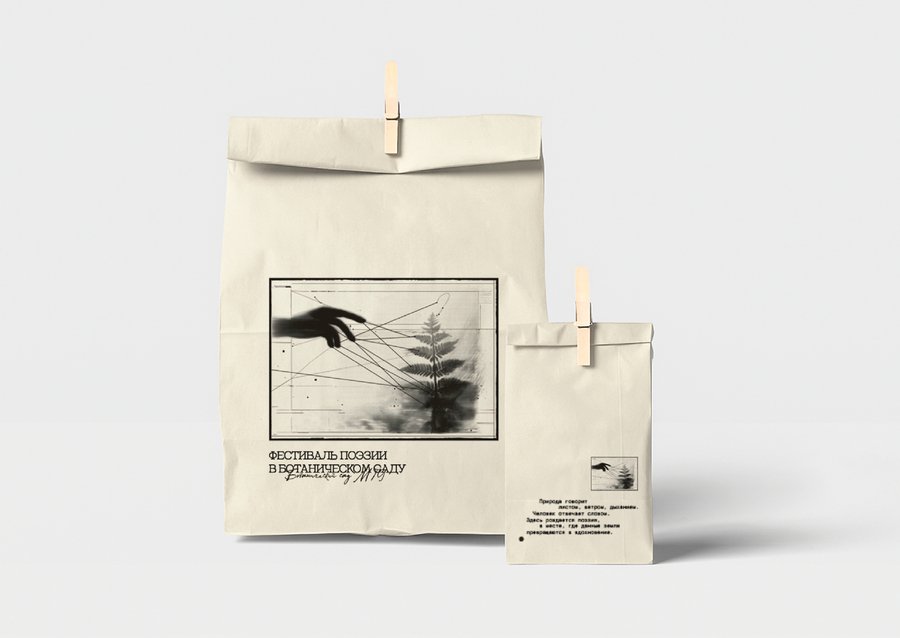
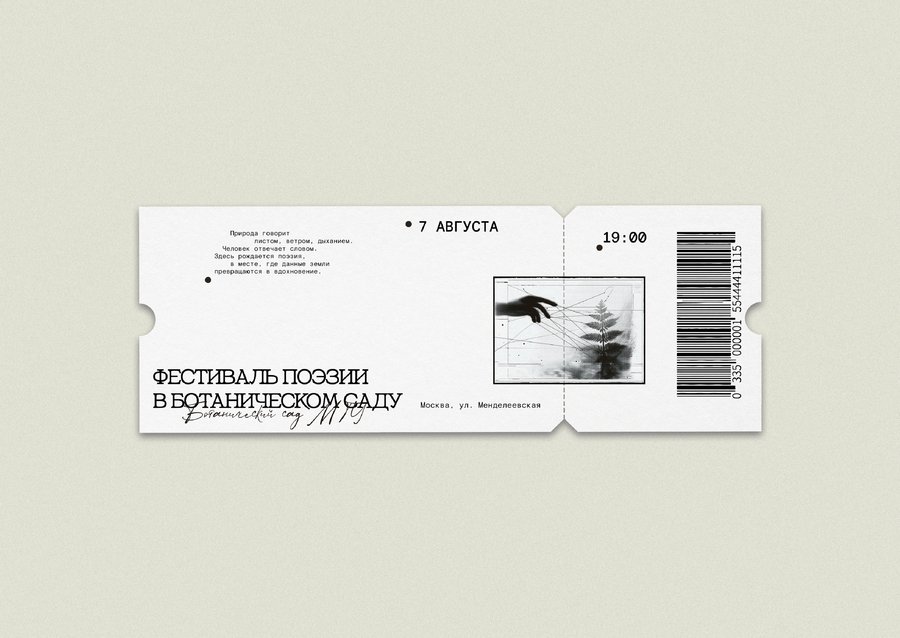
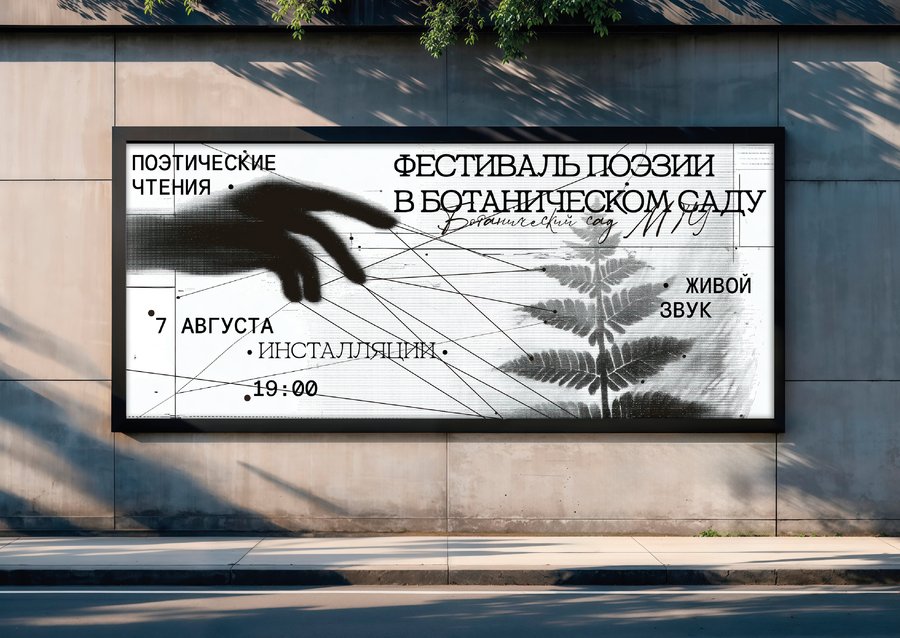
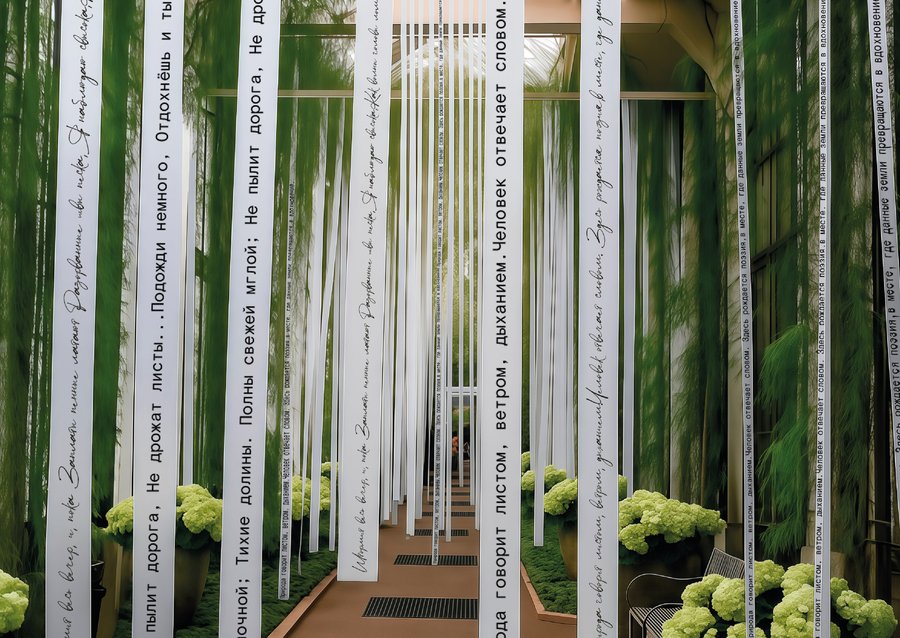
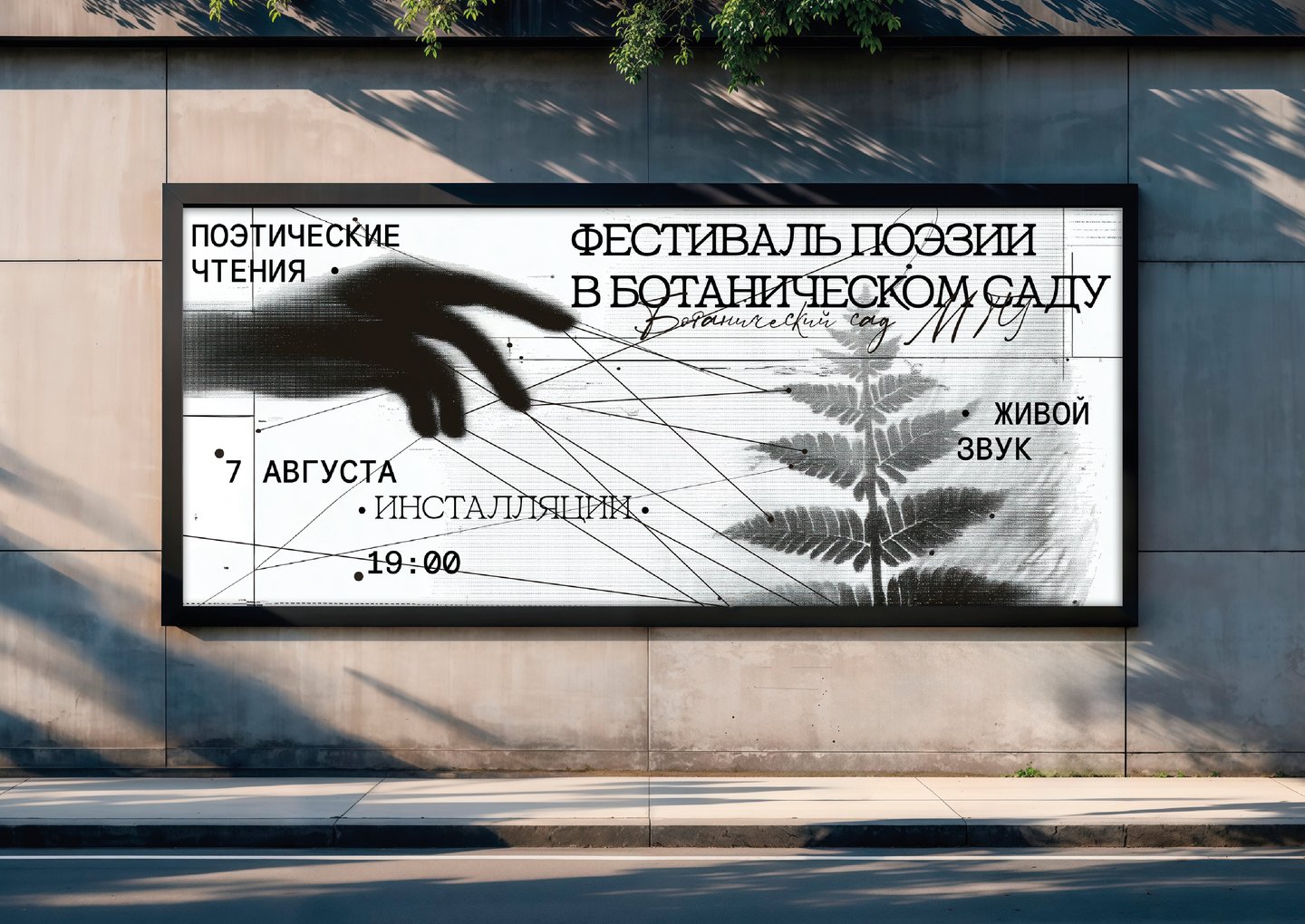
Project Example