Please upload your projects using this nomination page, and make sure to review the competition guidelines on the main page as well.
Themes
Indonesian mythology is a rich cultural heritage rooted in oral traditions that have passed down through generations across the archipelago. It tells stories of gods, spirits, mythical creatures, and humans who coexist with unseen forces. Mountains, seas, forest, and rivers are not merely natural settings, but sacred spaces believed to be guarded by powerful spiritual beings.
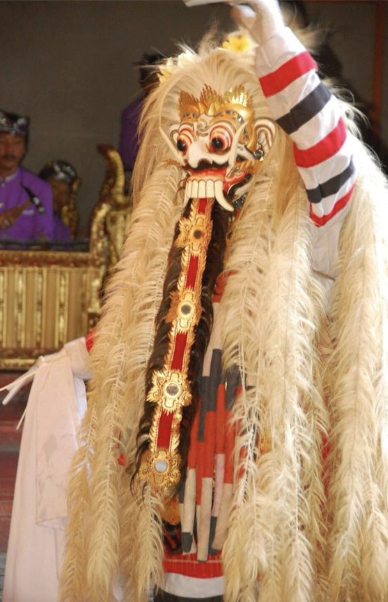
Rangda From: Bali
Rangda Is widely known as a frightening figure in Balinese folklore. She is often portrayed as the queen of the leak (witches) and possesses extraordinary magical powers. In many stories, Rangda is said to kidnap children and take part in epic battles against Barong, who represents goodness and protection.
Rangda in Balinese mythology is visually described as a frightening old woman with strong magical power. She has wide, bulging eyes, a large open mouth, and long sharp fangs, often with long red tongue sticking out. Her hair is long, wild, and messy, symbolizing uncontrolled and dark energy. Rangda wears traditional Balinese ritual clothing in dominant colors such as red, black, and white, which represent power, danger, and balance. She also has long claw-like fingernails and a haunched, aggressive posture.
Despite her terrifying appearance, Rangda has an import spiritual meaning. In Balinese Hindu beliefs, she is regarded as a manifestation of the goddess Durga, symbolizing cosmic power and protection. The origin of her name comes from the Old Javanese word «randa» meaning widow, which reflects her tragic background and life story.
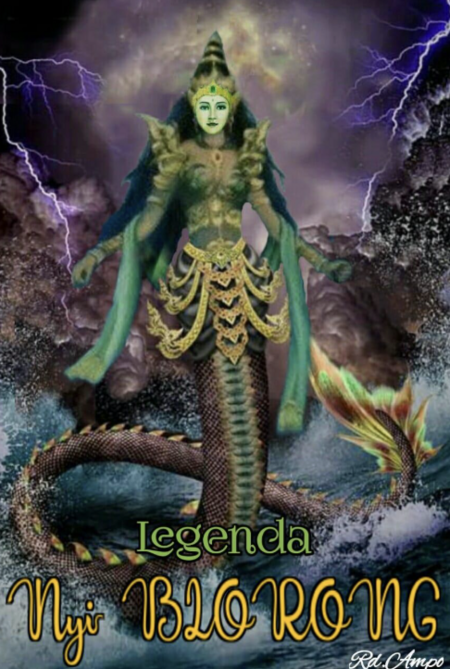
Nyi Blorong From: Java island
Nyi Blorong is the sovereign of a palace on the southern coast and is known for her extraordinary supernatural powers. She is said to command various kinds of spirit beings and is believed to mislead humans into practices of pesugihan (mystical wealth rituals), turning them into loyal servants.
Nyi Blorong is often depicted wearing a green kebaya adorned with golden patterns. Her long golden cloth is believed to represent her true form, which is a giant serpent. During the full moon, her beauty and magical power are said to reach their peak, while as the moon wanes, she is believed to return to her original form as a giant snake. Nyi Blorong is visually described as a beautiful woman with a human upper body and a snake’s lower body. Her face looks attractive and calm, but also mysterious. She usually has long black hair and wears elegant traditional clothing or jewelry, showing wealth and power. The snake body is often shown as large, shiny, and green or golden, symbolizing riches and danger.
Nyi Blorong is believed to grant wealth to those who choose to form an alliance with her. Each time she appears, she is said to leave pieces of gold at the place where she meets her followers as a reward. However, this gold is believed to actually be scales from her own body.
It is believed that pesugihan involving Nyi Blorong requires the souls of her human followers as sacrifices. When they die, their spirits are said to become eternal residents of the supernatural palace of the Southern Sea. In addition, at certain times, Nyi Blorong is also believed to demand human lives to increase the number of her warriors and to enhance her beauty.
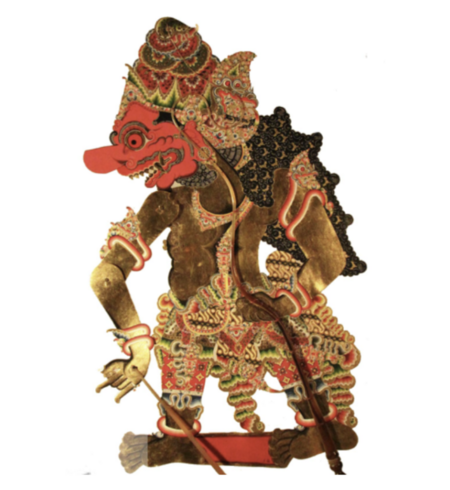
Batara Kala
Batara Kala is visually shown as a giant, terrifying figure in Javanese mythology. He has a large muscular body, dark/ red skin, and fierce face with big eyes, sharp fangs, and a wide mouth. His hair is thick and wild, and he often wears simple ornaments or skull decorations. Batara Kala’s appearance represents time, destruction, and danger.
Batara Kala originated from raging fire that could not be easily put out. The Gods attempted to extinguish the flames using their divine powers, but all efforts failed. Eventually, the fire transformed into a colossal giant who ascended to kayangan, the realm of the Gods, in search of his father. Fearing that the giant might become enraged and cause destruction, Batara Guru accepted him as his son. He then removed the giant’s fangs and forged them into weapons, which were later bestowed upon Arjuna and Karna. Batara guru named the giant Batara Kala, meaning the god of time, and instructed him to dwell in Nusakambangan.
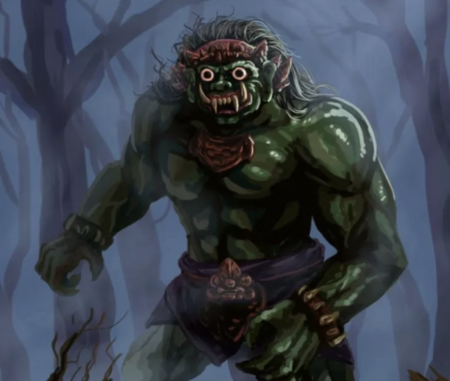
Buto Ijo
The green giant known as Buto Ijo met an elderly woman. She wished for a child who could help her company in her old age. Then Buto Ijo made an agreement with the elderly woman: the giant gave her a magic bean that would later turn into a child. In return, when the time came, Buto Ijo would take the child-once grown-to be eater.
The agreement between the old woman and Buto Ijo was clear and valid. However, as time passed, the woman grew very fond of the child and could not bear to lose him. When Buto Ijo came to claim his right according to the agreement, the woman and the child resisted and tried to get rid of the giant so they could live happily.
In the story, the giant is portrayed as an evil character who eats humans, while the old woman is seen as a good person who saves an innocent child from death. Buto Ijo is visually described as a huge green giant in Javanese mythology. He has a big, strong body, green skin, and a scary face with large eyes, sharp teeth, and fangs. His hair is usually messy, and his movements look rough and aggressive.
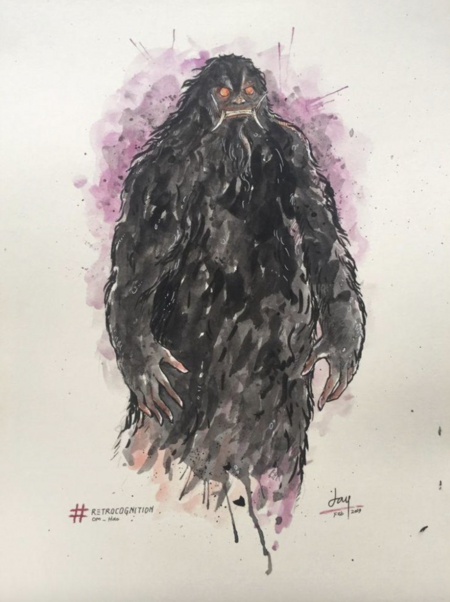
Genderuwo
Genderuwo is portrayed as a frightening creature that often lives in large trees. Genderuwo is known as a highly skilled kidnapper because of its ability to disguise itself. When targeting a victim, it can take the form of someone close to them. For example, when abducting a woman, Genderuwo may disguise itself as her husband. When targeting children, it may appear as their mother, and so on. Because of this exceptional ability to deceive and abduct, Genderuwo is often considered one of the most dangerous kidnapping spirits in folklore.
Genderuwo is visually described as a large, human-like creature covered in thick hair. His body looks strong and tall, with dark or reddish-brown fur all over. He has a rough face, big eyes, and sometimes sharp teeth, giving him a scary appearance. Genderuwo is often shown living in forests or old trees.
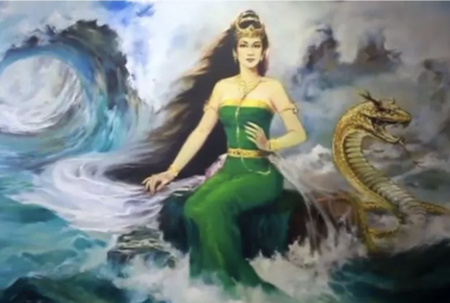
Nyi Roro Kidul
Nyi Roro Kidul is visually described as a beautiful and graceful woman with a strong mystical presence. She usually wears a green traditional dress and has long black hair flowing freely. Her appearance is elegant and calm, often surrounded by ocean waves or sea mist, symbolizing her power as the Queen of the Southern Sea.
On the beach, she heard a mystical voice telling her to throw herself into the sea. After she did so, her illness slowly disappeared, and her body became clean and radiant again. From that moment on, Dewi Kadita transformed into nyi Roro Kidul, the supernatural ruler of the Southern Sea.
As the Queen of the Southern Sea, Nyi Roro Kidul is believed to protect the balance of the ocean and to have a spiritual connection with the kings of Java. Even today, people living along the southern coast of Java still believe in her presence as a symbol of natural power, authority, and the spiritual world that exists alongside human life.
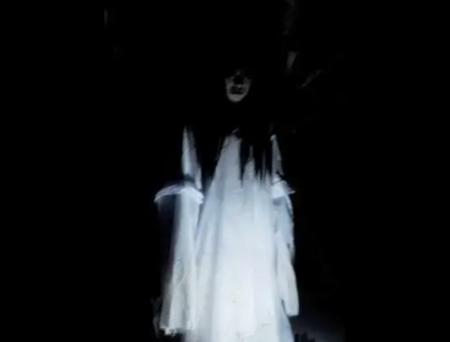
Kuntilanak
Kuntilanak is described as a female ghost with long hair, loose black hair, and a flowing white dress that looks old and worn. Her face is pale, with hollow eyes and sometimes a thin, eerie smile. Her presence is usually marked by high-pitched laugh or soft crying, along with the scent of jasmine. She is commonly seen in quiet, dark places such as banana trees, graveyards, or abandoned buildings at night.
According to folklore, Kuntilanak is believed to be the spirit of a woman who died during pregnancy or childbirth, often due to betrayal or violence. Unable to find peace, her soul returns to the human world. She appears mainly to frighten people, symbolizing deep sadness, anger, and injustice experienced during her life.
Pocong
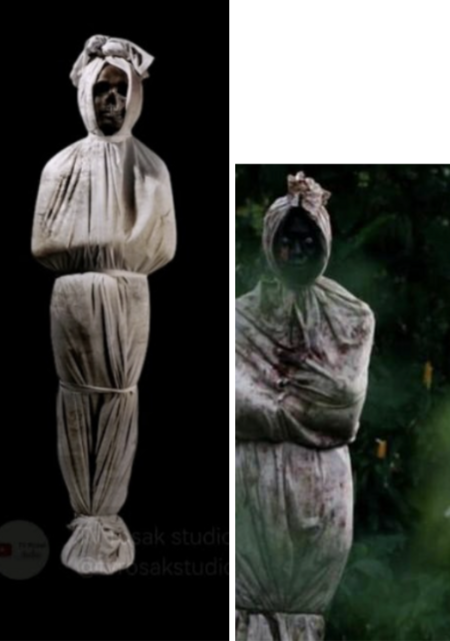
Pocong is visually described as a human corpse wrapped tightly in a white burial shroud (kafan), with the fabric tied at the head and feet. Because its feet are bound, pocong is often imagined by hopping rather than walking. Its face is pale, stiff, and lifeless, sometimes with sunken eyes, creating a frightening and unnatural appearance. Posong usually appears at night in quiet places such as graveyards, empty houses, or deserted roads.
Jenglot
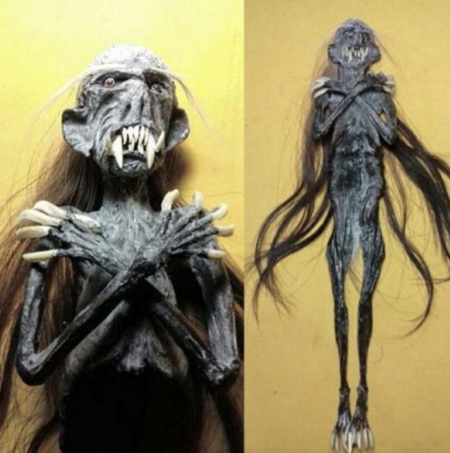
Jenglot is described as a very small humanoid figure, about the size of a hand. It has a thin, dried body with dark, wrinkled skin, long tangled hair, sharp nails, and sometimes small fangs. Its face looks human but ensettling, with hollow eyes and a stiff expression. Jenglot is often kept wrapped in cloth or stored in a small box, giving it a mysterious and eerie presence.
In Indonesian folklore, Jenglot is believed to be a supernatural being or the remains of an ancient human with mystical powers. Some stories say it must be fed drops of blood to stay «alive» while others believe it brings power, protection, or misfortune to its owner. Jenglot is seen as a symbol of forbidden knowledge and the dangerous attraction of supernatural power.
Kuyang
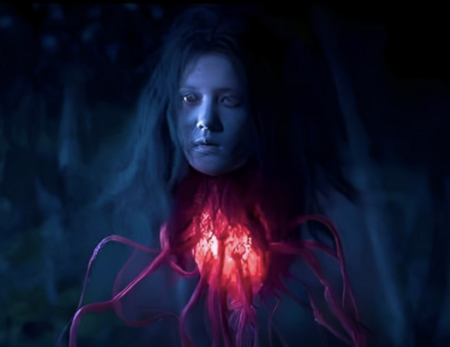
Kuyang is often portrayed as a beautiful woman with long hair. According to legend, she becomes a Kuyang after practicing black magic in pursuit of eternal life. It is widely believed that Kuyang is most active from dusk, around the Maghrib hour, until late at night.
There are two locations in East Kalimantan that are believed to be habitats of the Kuyang: the Belayan River in Kutai Kartanegara and the Kunjang River in Samarinda. This belief arises from frequent reports by local residents who claim to have witnessed Kuyang sightings in these areas.