
SHUM.A — where culture makes noise


This project looks at how communication theory shapes design strategy. It explains how the cultural codes, symbols, and storytelling methods influence the creation of a brand and express the brand’s meaning, not only to the general public but also to professionals involved in branding and marketing.

SHUM.A — FROM NOISE TO SIGN
SHUM.A is an imaginative brand that draws on nostalgic feelings, visual chaos, and inspiration from traditional Russian aesthetics. The brand utilizes well-known elements of culture to create contemporary items and the concept of noise serves as an emblem representing memory, emotion, and today’s identity within society.

This design project uses communication theory to look at how cultural codes, symbols, and stories come together to shape modern identity.
Design involves strategically putting messages into visual formats for people to understand. Designers are like communication experts, building meaning by carefully choosing symbols, materials, and forms.
Following the Sender-Message-Receiver model, clear and intentional communication shapes how meaning is transmitted, and this model controls distractions.
Visual design is essentially about signs. Colors, textures, shapes, and layouts aren’t neutral; they function as symbols. Meaning comes from interpreting these symbols based on cultural background, personal experiences, and social situations. In this framework, design is a system of signs that shapes how we see the world, going beyond simple illustration.
In traditional cybernetics, noise messes up the message. SHUM.A flips this idea: noise turns into a deliberate, important symbol. It shows information overload, a complex history, and cultural breakup. The brand uses noise as a signal — a visual way to show the push-and-pull between what’s clear and what’s chaotic.
Design is part of culture, not separate from it. The Sociocultural Tradition says communication remakes and changes social norms, shared meanings, and group identities. SHUM.A sees design as a way to play with cultural codes. Instead of just copying what’s popular worldwide, we rebuild local ideas for today’s world.
Who we create for?

SHUM.A is for individuals who appreciate authentic, culturally rich, and meaningful items. Our customers are looking for an emotional connection—something that ties them to their heritage, memories, and specific locations.
Modern fashion has become bland, too global, and lacks emotional depth. People feel detached from their origins and want stories that bring back a sense of belonging. We depend on the idea that humans create understanding through storytelling.
SHUM.A offers clothing that is more than just apparel; it’s a wearable story—a cultural item that reinterprets aspects of Russian visual heritage. Each item carries a piece of a story, showing the back-and-forth between what was and what is now.
A purchase is not an impulse — it is an identity statement.
In The Logic of Good Reason, folks pick what fits their view of the world. SHUM.A turns into a way to show you get the culture and express yourself.
Most people react to feelings, the vibe, and how things look, so we go with the Peripheral Route of persuasion. (ELM). We focus on what looks good instead of getting into complicated arguments.
The brand creates a group where people understand cultural ideas in a new way. Through Social Identity Theory, we show that when you join SHUM.A, you’re joining a cultural cause.
People no longer buy clothes — they buy meaning.
We focus on two main things:
• Looks Matter — A sharp, high-quality design helps build trust. • People Like You — We show that SHUM.A is for those who respect their history and want to shape what’s next.
Express your identity. Become part of the story.
We aim to stimulate Behavioral Intention (Theory of Planned Behavior)
This part is for designers, art directors, theorists, and critics—basically, anyone who judges systems, processes, concepts, and design.
Red + Gradient + Noise
SHUM.A uses clear reasoning, open decisions, and conceptual frameworks to convince professionals. We show not just how things look, but also the meaning behind them.
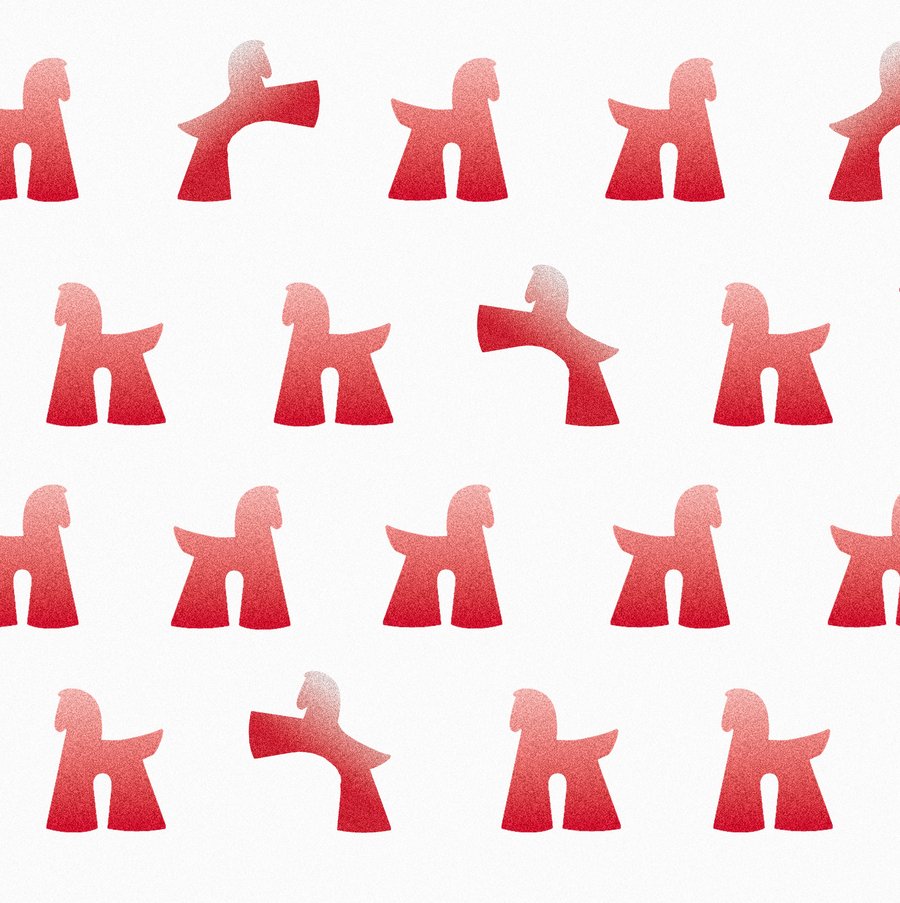
Patterns
Two key visual signs structure the brand:
• Digital Noise — It stands for the stress of too much info. • Clear visuals — This shows we’re honest and open. These things together are what SHUM.A is all about.
We establish ethical and conceptual norms:
• Real materials • Clear prices • Good production These rules back up what SHUM.A believes in.
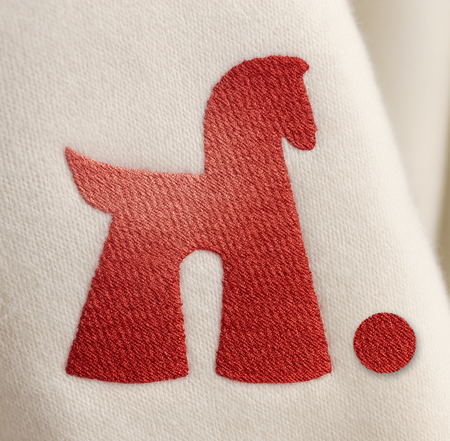
We use Structuration Theory to see design as a system of rules and resources. These rules keep the visual identity steady, letting new ideas come out as they’re repeated and reinterpreted.
We create new meaning by carefully changing familiar parts of Russian style. By playing with clichés, we steer clear of being too cliché and make a modern, complex system.
Our approach is all about being open and honest. We show how things are made, explaining how different parts come together to form a solid design idea.
Our goal is to start a professional conversation about modernizing fashion within national standards.
We want to look at how cultural identity and historical visuals can be part of modern design. The Sociocultural Tradition tells us that communication builds a common culture.
Just telling people what’s stylish is a one-way street. SHUM. A prefers to co-create, letting the brand and its audience find meaning together.
We go with Dialogic Theory, which sets up equal communication between both sides. This way, we can create trust and lasting cultural interest.

We treat our audience as equal partners.
Principles: • Mutuality • Openness • Shared cultural reflection This aligns with Relationship Management Theory.
We combine:
• Peripheral Route — emotions, aesthetics → general audience • Central Route — logic, reasoning → professional audience
This approach makes sure it’s both widely accessible and deeply credible.

Too much noise makes people want to find what matters, so they pay attention to things that fit what they already believe. This makes them care more and feel more connected.
People now build their identities through online groups instead of where they live. SHUM.A can help people feel like they belong in these groups.
Our plan is to mix old traditions with present ideas. We use real knowledge, not stereotypes, to rebuild true identities.
Bibliography
The project is based on materials from the Communication Theory course.
1. Craig, R. T. Communication theory as a field // Communication Theory. — 1999. — Vol. 9(2). — P. 119–161. URL: https://academic.oup.com/ct/article/9/2/119/4084727 (дата обращения: 30.11.2025).
2. Fisher, W. R. Narration as a human communication paradigm // Communication Monographs. — 1984. — Vol. 51(1). — P. 1–22.
Image sources
All images were generated by artificial intelligence.