Communication theory: bare
Communication is a practical discipline that addresses the problem of how communication is possible. (Robert T. Craig, 1999) [1]
According to Robert T. Craig, communication can be understood through multiple theoretical traditions, each of which offers a different perspective on how meaning is produced and interpreted.
In the field of design, communication functions as a process of meaning-making, where visual elements act as a sender, transmitting values, attitudes, and messages. The audience operates as a receiver, interpreting these messages within a specific cultural, social, and media context.
Design is therefore not decorative, but constitutive of communication, shaping how messages are perceived, understood, and experienced.
Visual Communication and Information Overload
Contemporary media environments are characterized by high levels of visual noise and information overload. Excessive stimulation increases cognitive load and reduces the effectiveness of communication.
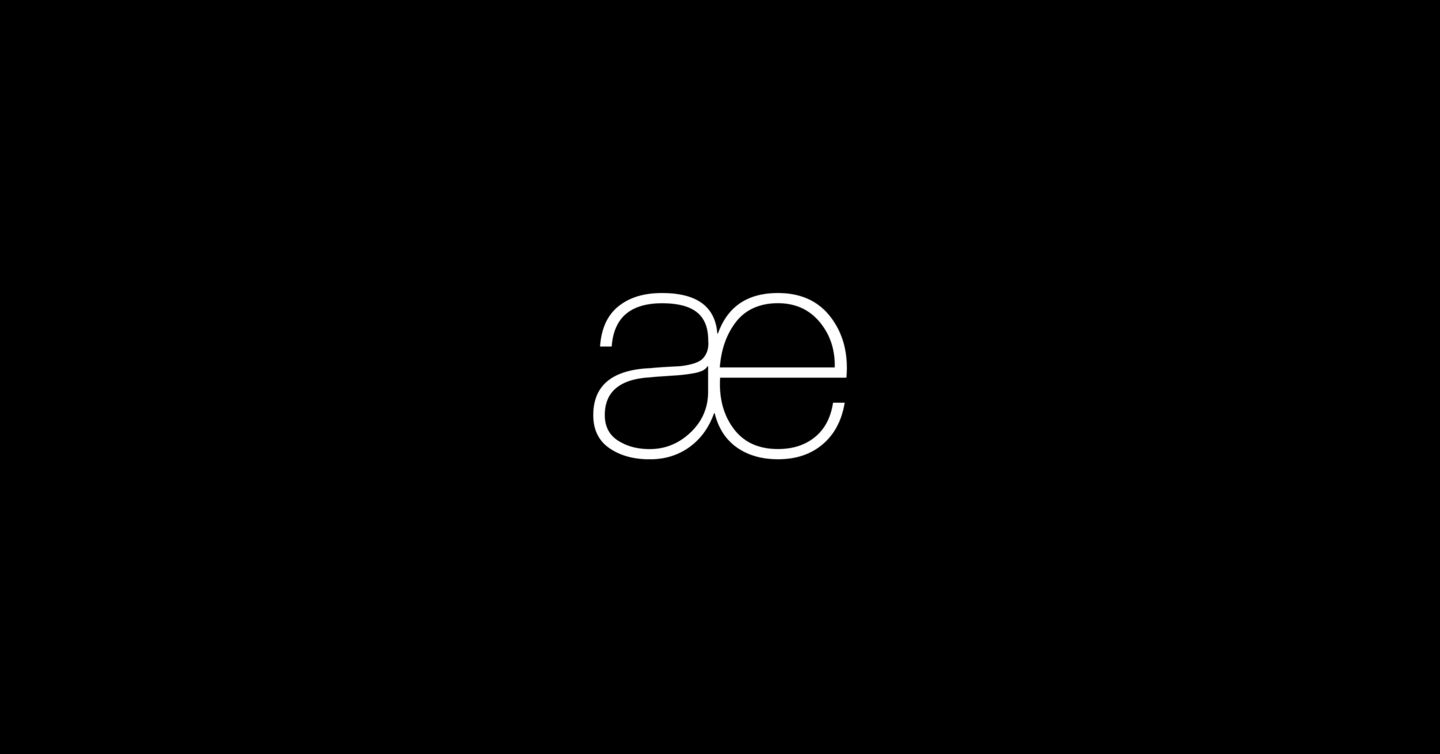
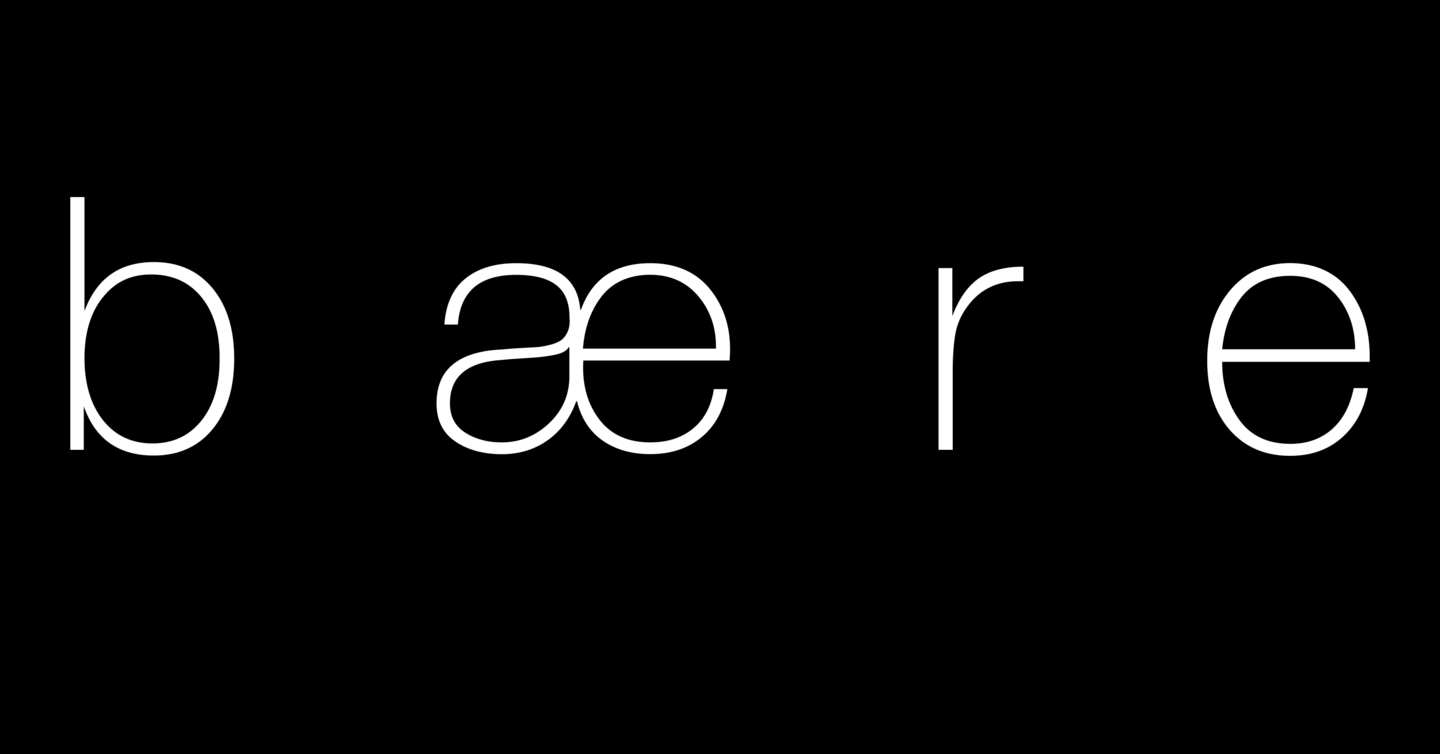
logo of the brand «bare»
Within the Semiotic Tradition, the name Bare functions as a polysemic sign: one sign, several stable meanings.
Absence Absence of visual noise, overloaded messages, manipulative marketing In communication: Absence becomes a message.
Transparency Bare as a metaphor for honesty and openness Minimal verbal communication, clear product function In theory: An unadorned sign reduces the interpretative load.
Silence Bare as a form of silence Minimal visual stimulis, slow interaction, lack of pressure Media Ecology: Low media saturation → deep perception.
Visual devices for identity and logo
brand logo in the environment
The visual identity of Bare is based on absence as a communicative device.
Design elements are intentionally reduced to minimize cognitive engagement and function as a quiet medium.
1. Emptiness / White Space Active empty field, the logo «breathes,» not feels constrained. The emptiness functions as a sign, not as an absence. It reduces cognitive load and becomes a message in itself.
2. Subtle Materiality Matte surfaces, texture, embossing, tactile but discreet materials Sensory perception replaces visual pressure.
Brand Concept
Bare is a fictional brand of skincare products and dietary supplements.
The brand positions care not as transformation or enhancement, but as support through simplicity. Bare communicates the idea that effective care does not require excess information, stimulation, or visual persuasion.
Care is presented as a pause within everyday media saturation.
product packaging design
stand with the brand’s products
product packaging design and audience messaging
Brand Message
What you need. Nothing extra.
This slogan functions as a low-pressure communicative statement, avoiding persuasion through emotional intensity or visual dominance.
posters with the brand slogan
poster with the brand slogan
Media Ecology
According to Media Ecology Theory, and Marshall McLuhan’s concept «the medium is the message», the form and intensity of media directly influence how messages are perceived.
Bare applies the principle of quiet (cold) media:
minimal visual language limited textual information tactile materials low-contrast surfaces
poster communication with the audience, an example of silent interaction
website communication with the audience, an example of silent interaction
Semiotic Tradition
Within the Semiotic Tradition, meaning is produced through signs and their interpretation.
— minimal form functions as a sign of honesty and transparency — emptiness signifies the absence of manipulation — reduction becomes a meaningful communicative strategy
Absence operates as a sign.
brand product packaging design
brand product packaging design
brand product packaging design
Message Design Logics
Expressive Logic Bare expresses the idea that care should be simple, non-invasive, and calm.
Conventional Logic For a general audience, communication uses clear and accessible language For a professional audience, design decisions are explained through theory and terminology
Rhetorical Logic Persuasion is achieved not through emotional pressure, but through credibility, restraint, and consistency.
General Audience Communication
For a general audience, Bare communicates primarily through atmosphere and experience.
Messages emphasize: — simplicity — physical comfort — trust — absence of pressure
The slogan «What you need. Nothing extra» functions as an emotional anchor, offering relief from excess choice and information.
printed materials for communication with a wide audience

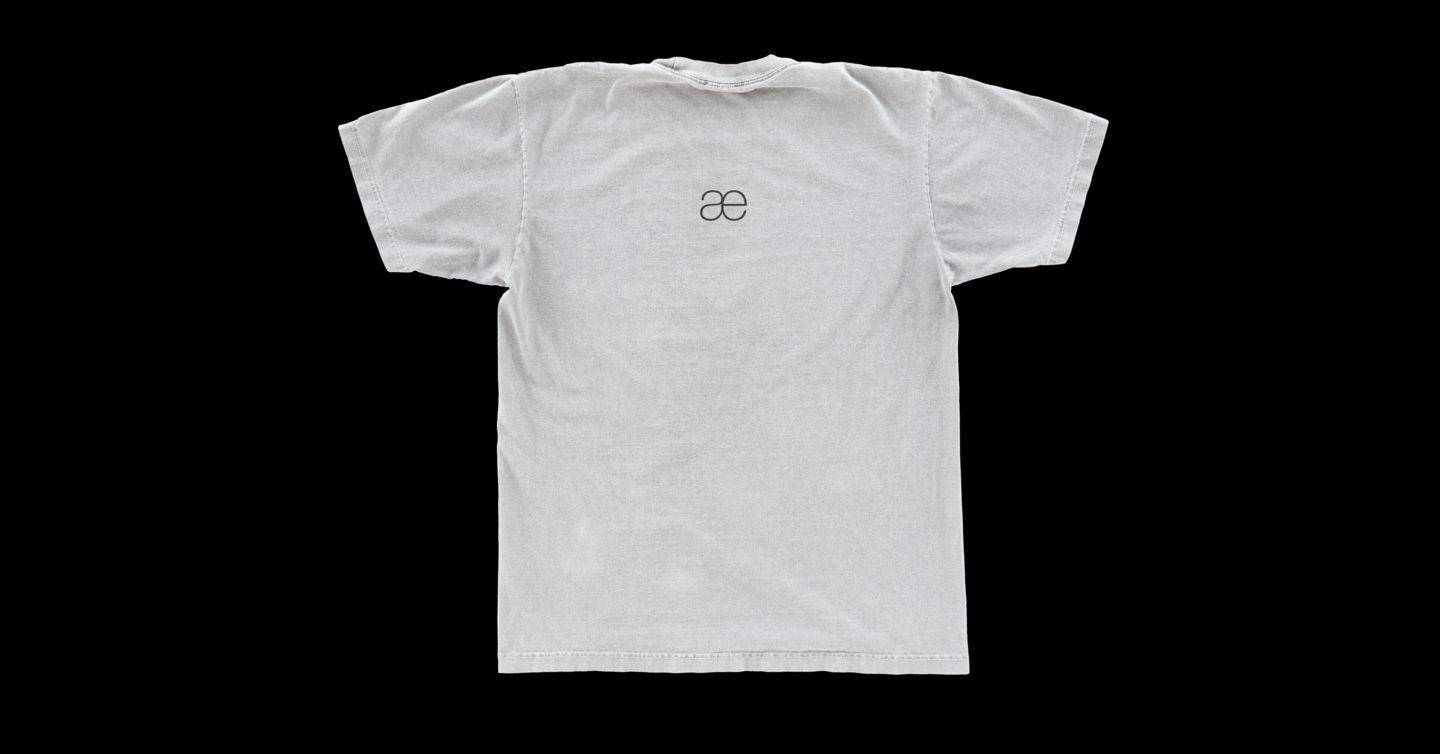
tactile products for communication with a wide audience
tactile products for communication with a wide audience
Professional Audience Communication
For a professional audience, the brand employs a structured and analytical approach.
Communication focuses on: — reduction of cognitive load controlled media intensity — design as a communicative system
Design decisions are justified through Media Ecology, Semiotics, and Message Design Logics.
printed materials for communication with an audience
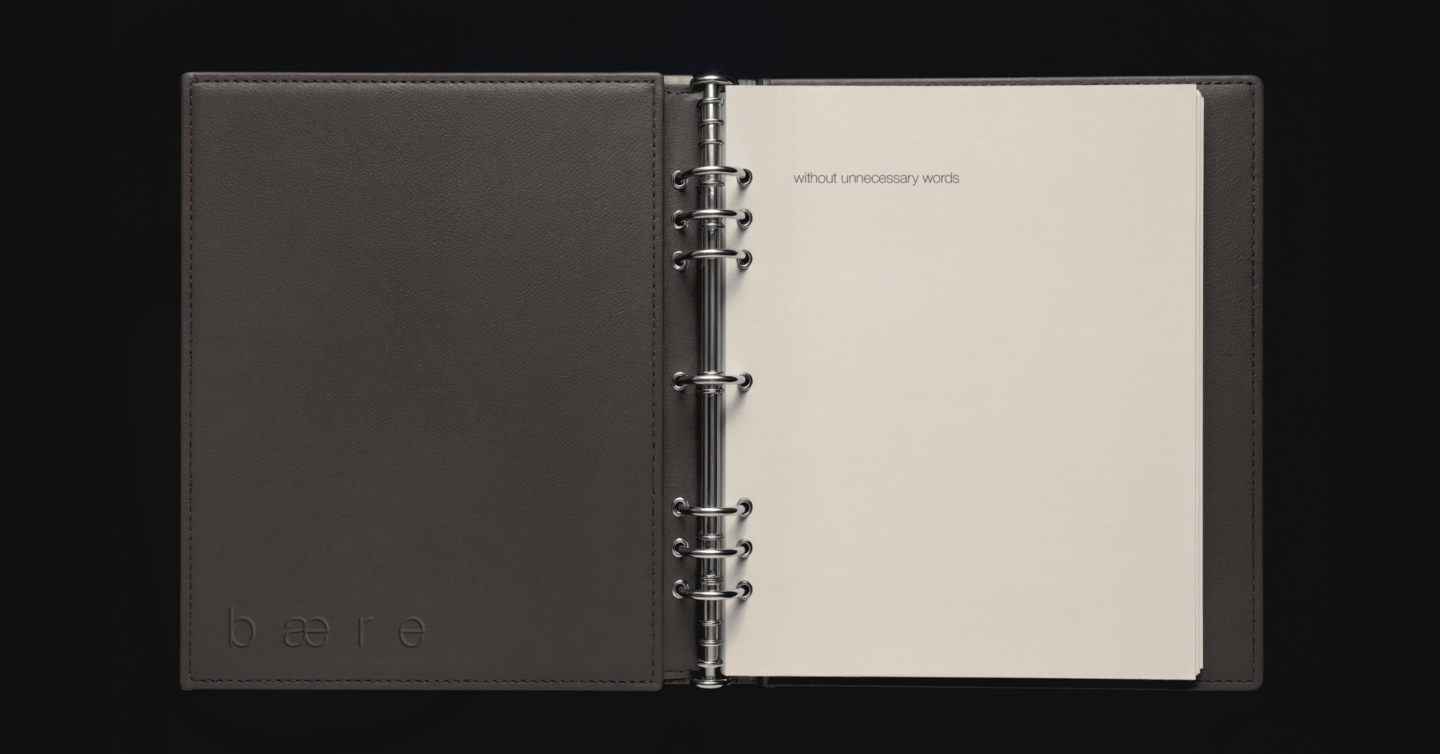

printed materials for communication with an audience
printed materials for communication with an audience
Craig’s Communication Traditions
The project «bare» integrates several traditions described by Robert T. Craig [1]
Semiotic Tradition — minimalism and absence function as meaningful signs Rhetorical Tradition — messages are adapted to audience context Social-Psychological Tradition — emphasis on perception, calm, and emotional response Media Ecology — media form shapes meaning and experience
Design is treated as a process of communication, not as decoration.
Conclusion
The Bare brand demonstrates how minimalism can function as a communication strategy, rather than an aesthetic choice.
By reducing visual noise and communicative pressure, design becomes a space for pause, allowing the audience to engage with care in a calm and non-intrusive way.
The brand concept and identity were developed by Communication Design students Valeriya Zelenova, Uliana Maslivets and Alina Madzhitova.
Communication Theory: Bridging Academia and Practice // edu.hse.ru URL: https://edu.hse.ru/course/view.php?id=133853 (дата обращения: 14.12.2025).
Lecture 1.5. Craig’s 7 Traditions in Communication Theory
Lecture 5.3. The Medium is the Message. Media Ecology by Marshal McLuhan
Telegram-канал // Telegram URL: https://t.me/+Hp5DjFnpWXdhMTBi (дата обращения: 15.12.2025).