Collaboration in contemporary art practice
The term
Collaboration (mutual work) is a process of shared labor between different communities with diverse backgrounds and expertise. In artistic collaboration, a synthesis of different forms and meanings occurs and new meanings and forms are born through this collaboration.
During the process of collaboration, participants often try new roles mastering new skills and perspectives. This dynamic gives rise to synthetic hybrid forms of creativity that pursue goals beyond «art for art’s sake,» engaging wider social, cultural or social purposes.
The focus on the term 'collaboration' is particularly relevant today, as contemporary artistic practice increasingly generates forms that can merge diverse types of human activity. A bright example here is an immersive theatre or complex interdisciplinary projects. Creativity nowadays extends far beyond traditional artists, actively involving people not directly connected to the art world. This essential ideas’ changing process prevents art from shutting down and stagnating, forcing it to remain a dynamic and socially engaged practice.
«The Inclusive Art Festival»
Pushkin Drama Theatre in Pskov
«The Inclusive Art Festival» demonstrates the principles of modern collaboration, where art becomes a space of meeting, synthesis and social dialogue. The festival works with groups that include people with various diseases. Its goal is to present them as full-fledged artists.
For a week, the professional theater stage turns into a laboratory of collective creativity.
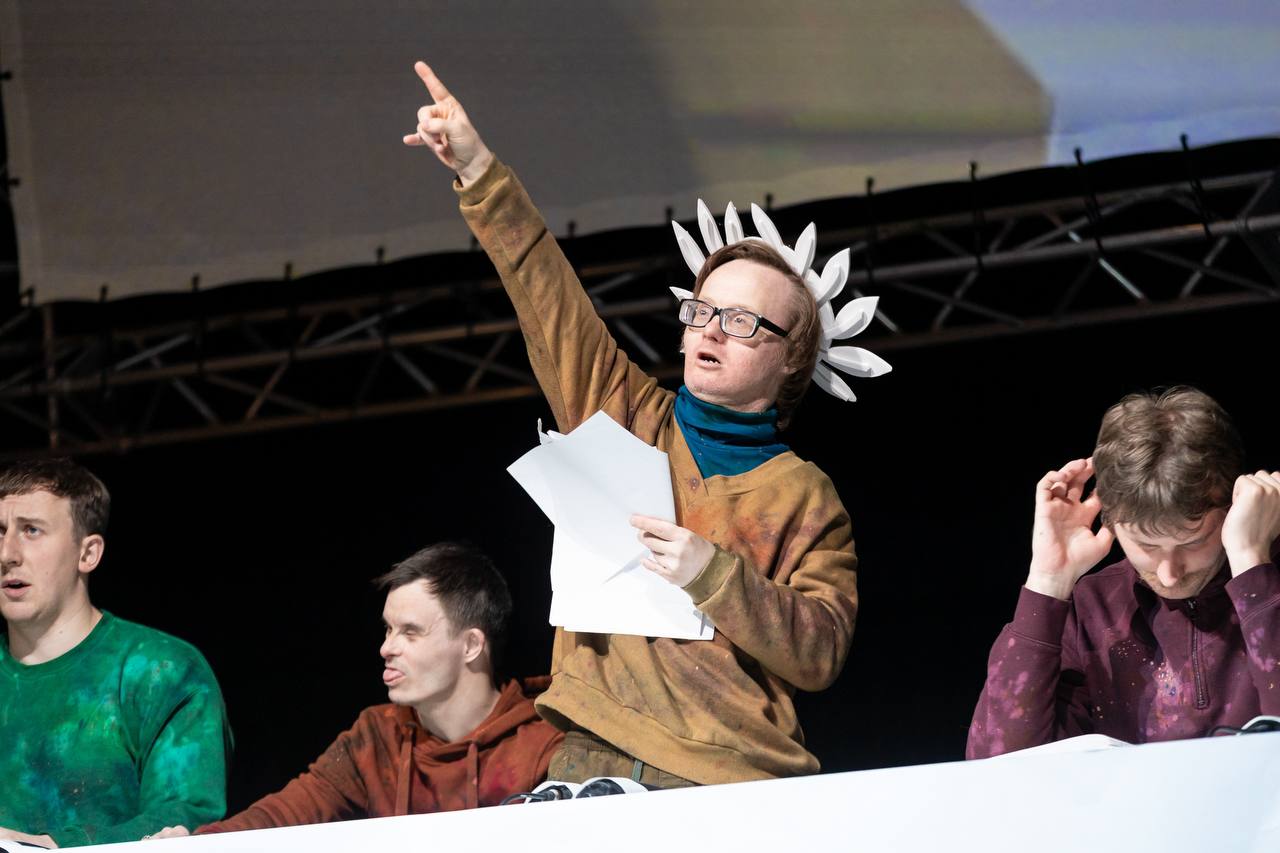
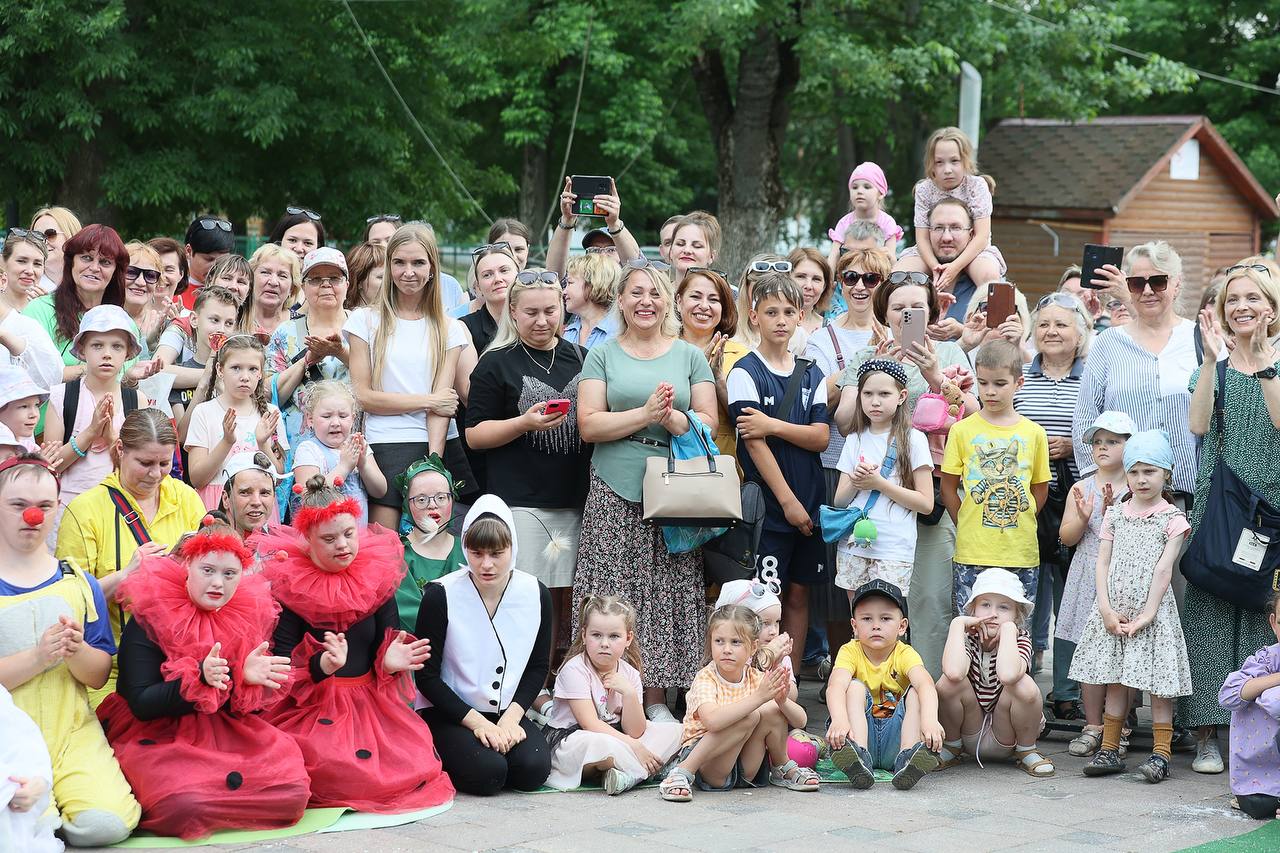
Creative teams from all over the country perform at the festival
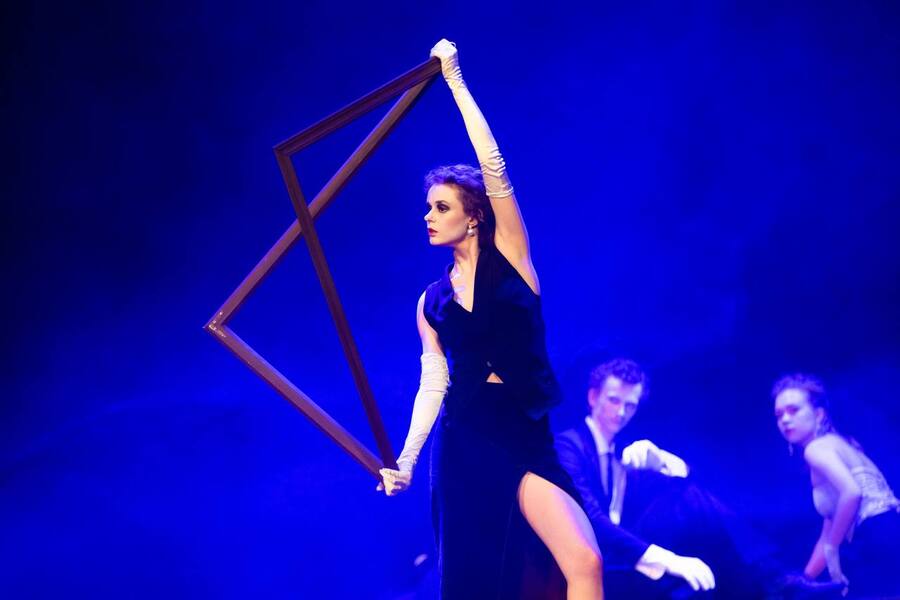
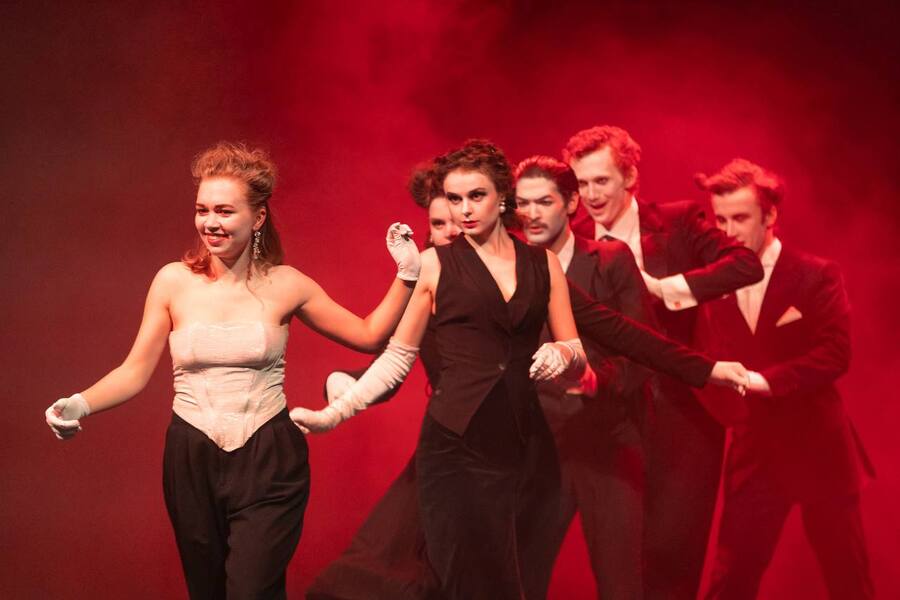
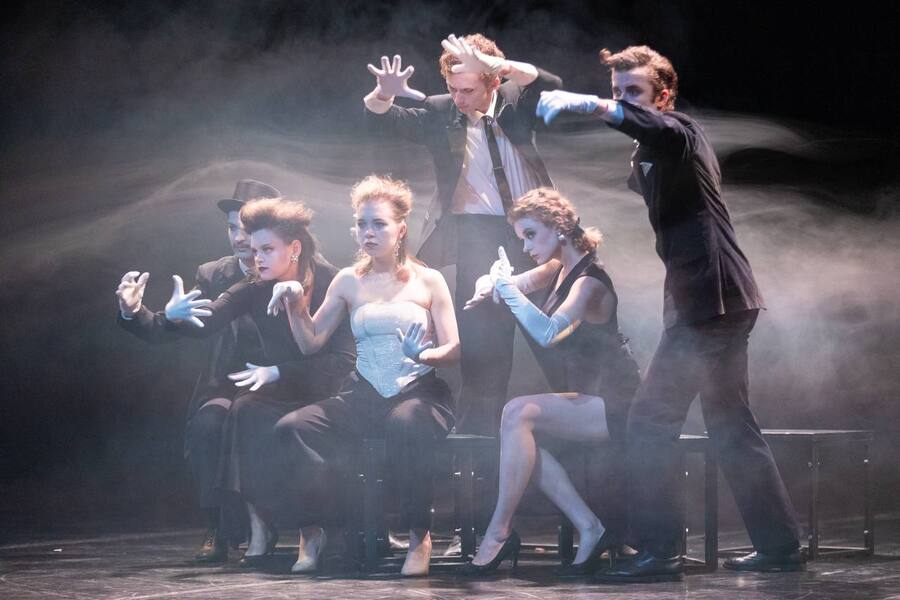
The «Theatre Y» is a St. Petersburg theatre whose troupe consists of deaf and hard of hearing artists. The project manager is director and choreographer Ekaterina Migitsko.
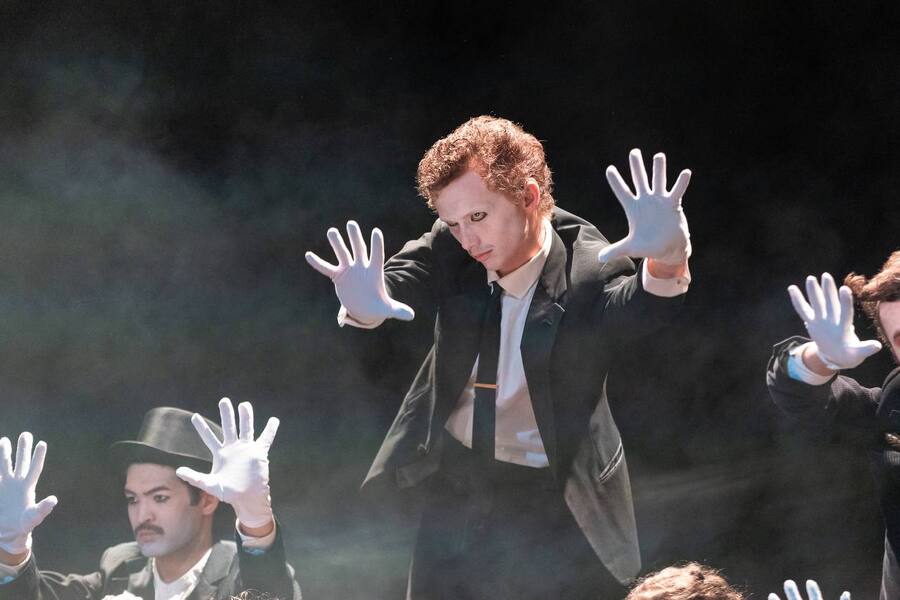
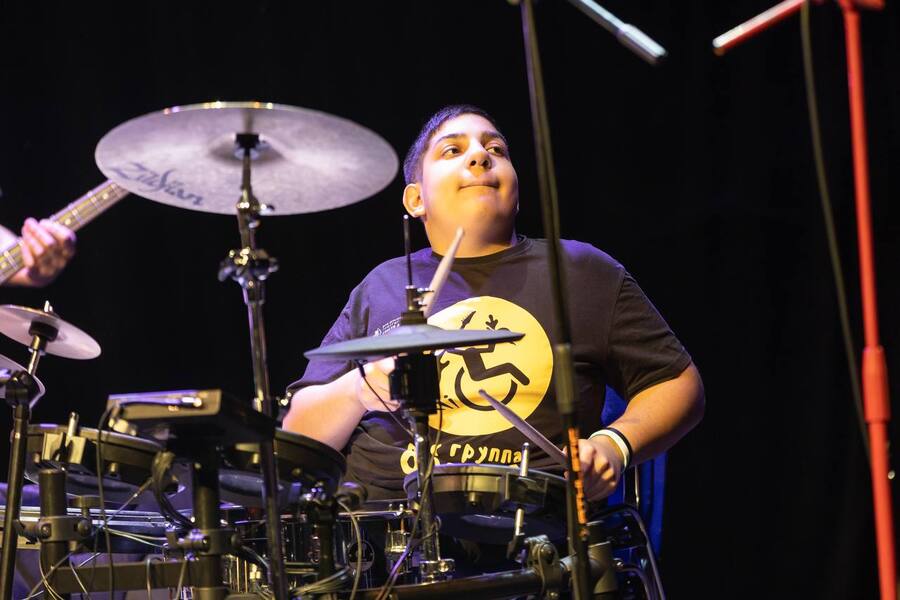
Rock band «Vegetables» from Moscow (children with disabilities)

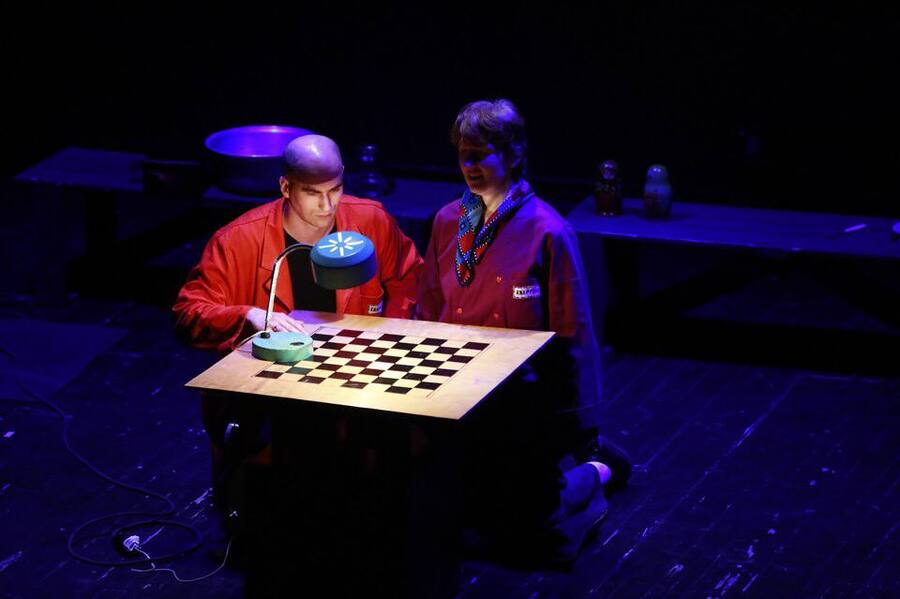
The «Story Factory» is a play featuring people with autism.
The artistic director of the production is Boris Pavlovich. The play was created by the Alma Mater Foundation in collaboration with the «Anton Next Door» Centre a part of the «Theatre plus Society» creative project/
٭ This material concerns the activities of a foreign agent (Anton Next Door)

The festival does not form a community around a diagnosis, but around a joint creative act. Collaboration here is a dialogue on equal terms between a professional institution and groups offering alternative points of view, as a result of this joint activity, a new socially significant art form is born.
«Mafia game»
Pushkin Drama Theatre in Pskov
The Mafia in the theatre project, a collaboration between theatre actors and students, was implemented in the same space where «The Inclusive Art Festival» is taking place.
The mafia game, transferred to the territory of the theatre, is in itself an act of theatricality: all participants, both professionals and students, try on their assigned roles (mafia, commissioner, civilian), becoming co-authors of an unpredictable plot.
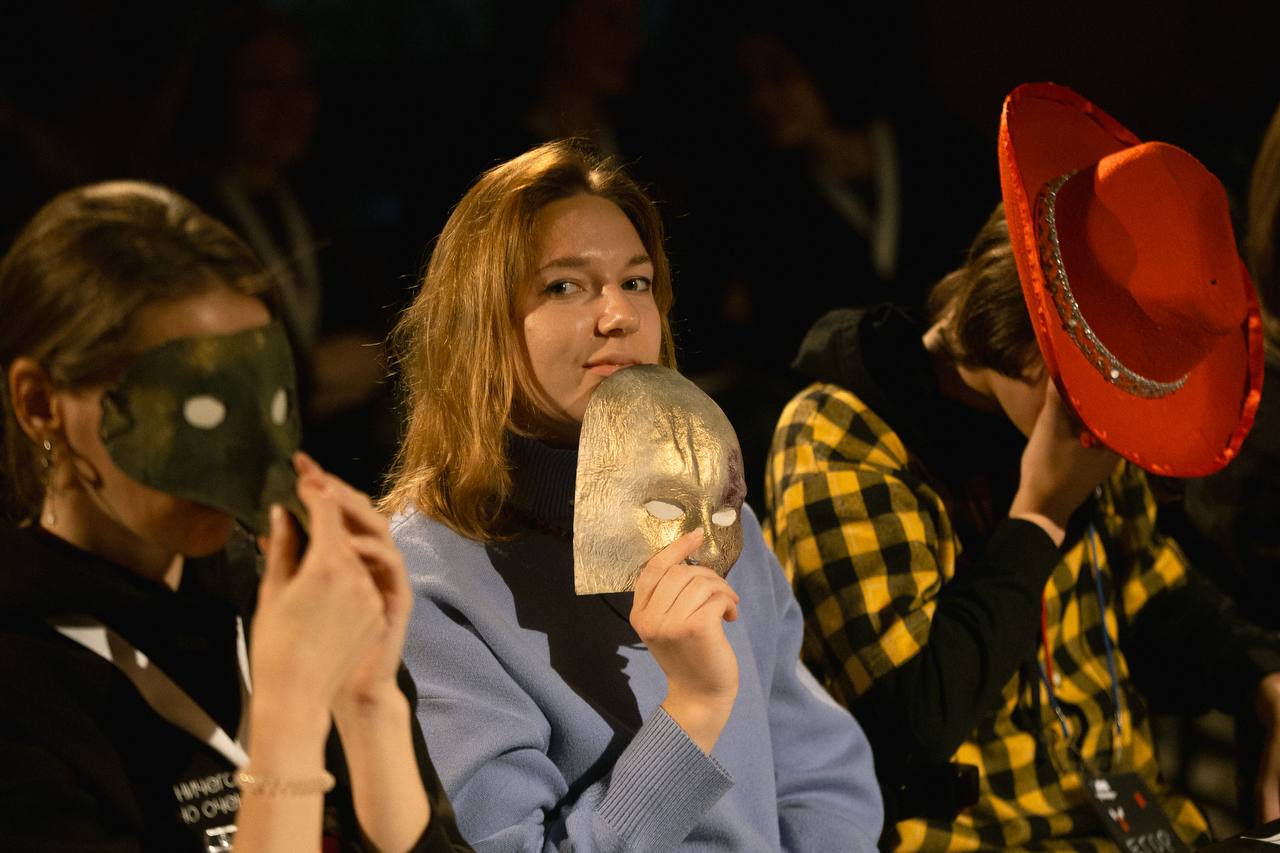
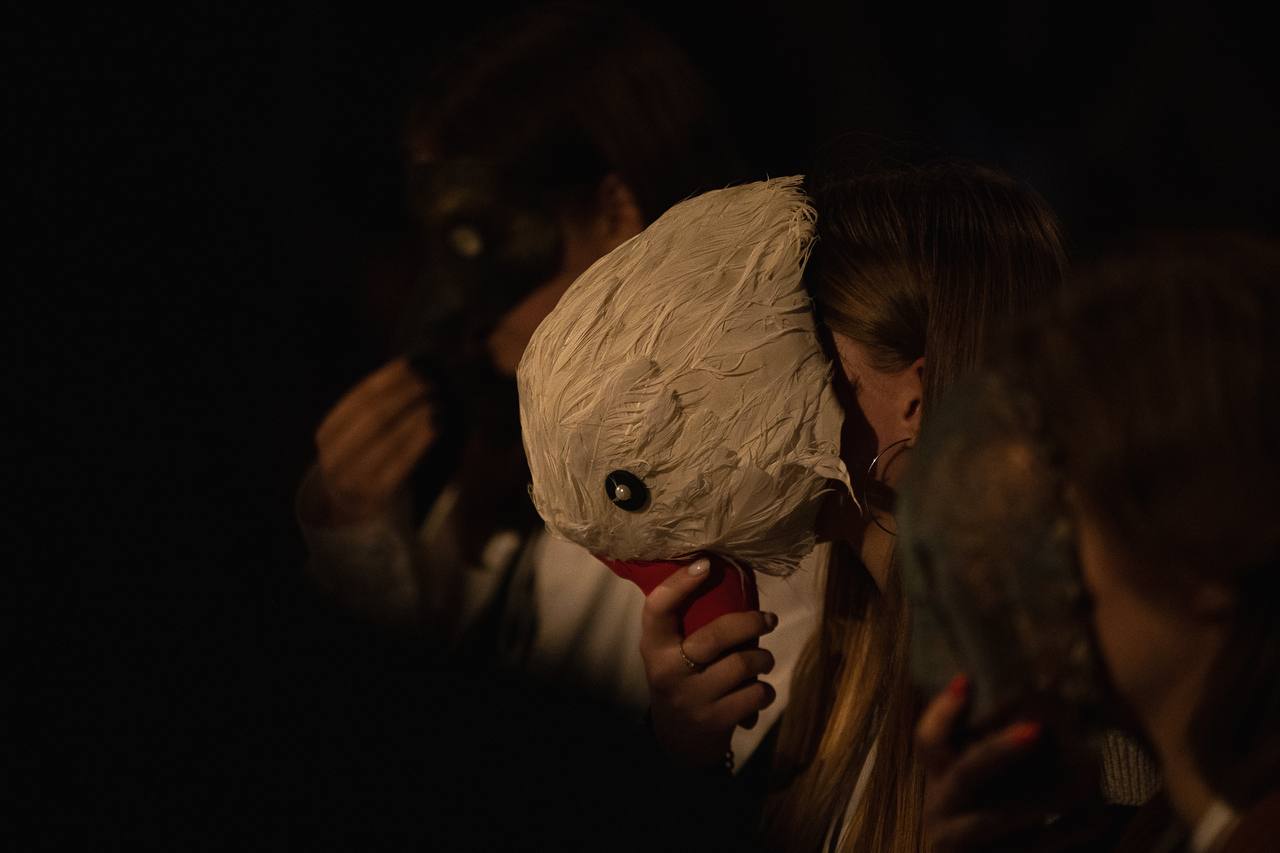
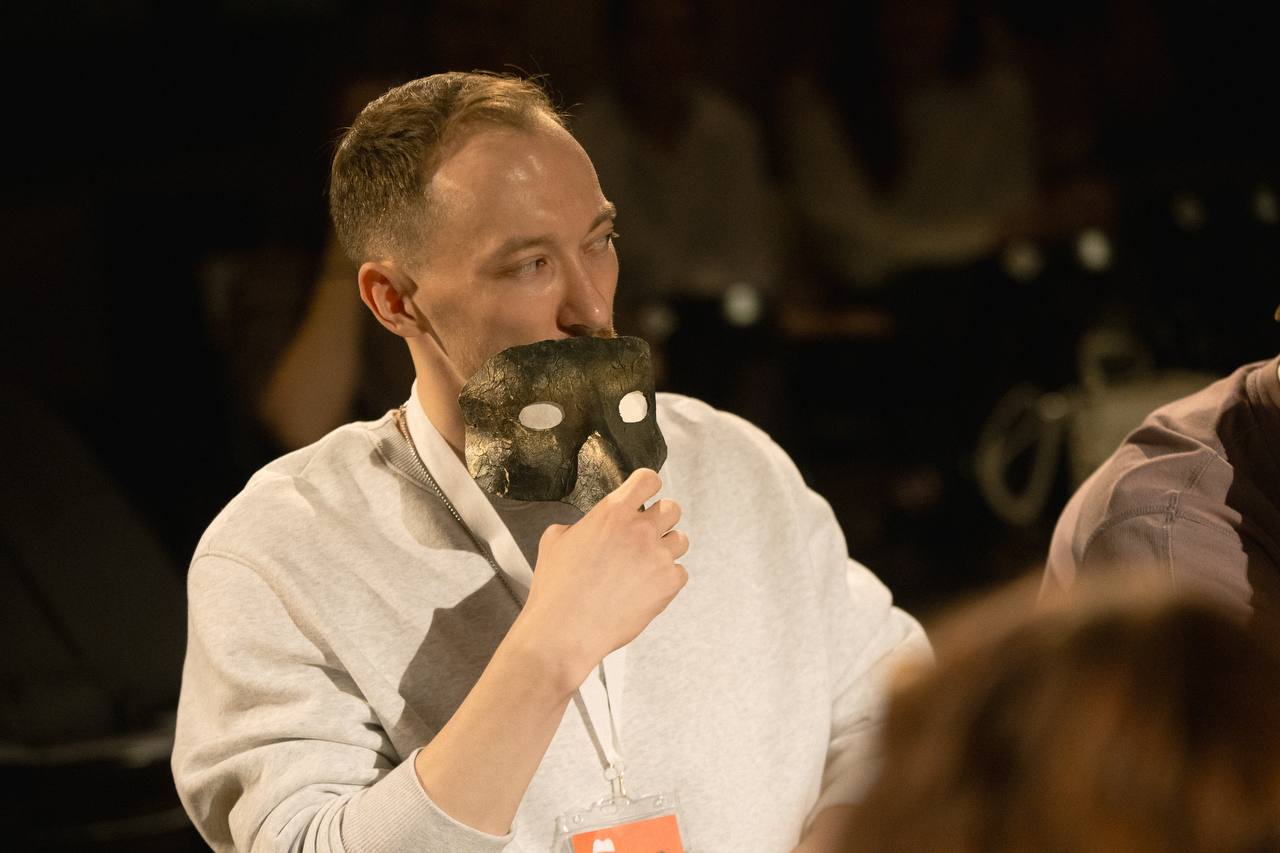
Actors bring to the game the ability to get used to the role and persuasiveness, while students bring fresh perception and excitement. Mafia in the theatre is a collaboration that does not aim to create a definitive work. Its product is a cohabitation situation in which the theatre acts not as an entertainment producer, but as a platform for social and psychological experiments.
«Who’s swinging the trees?»
Directed by Evgenia Lvova
«Who’s swinging the trees?» is an audio play that provides answers to difficult children’s questions such as «Does God shave his beard?» or «Does Death die?». Like Indiana Jones, the participants go to study the history of religions in the halls of the museum.
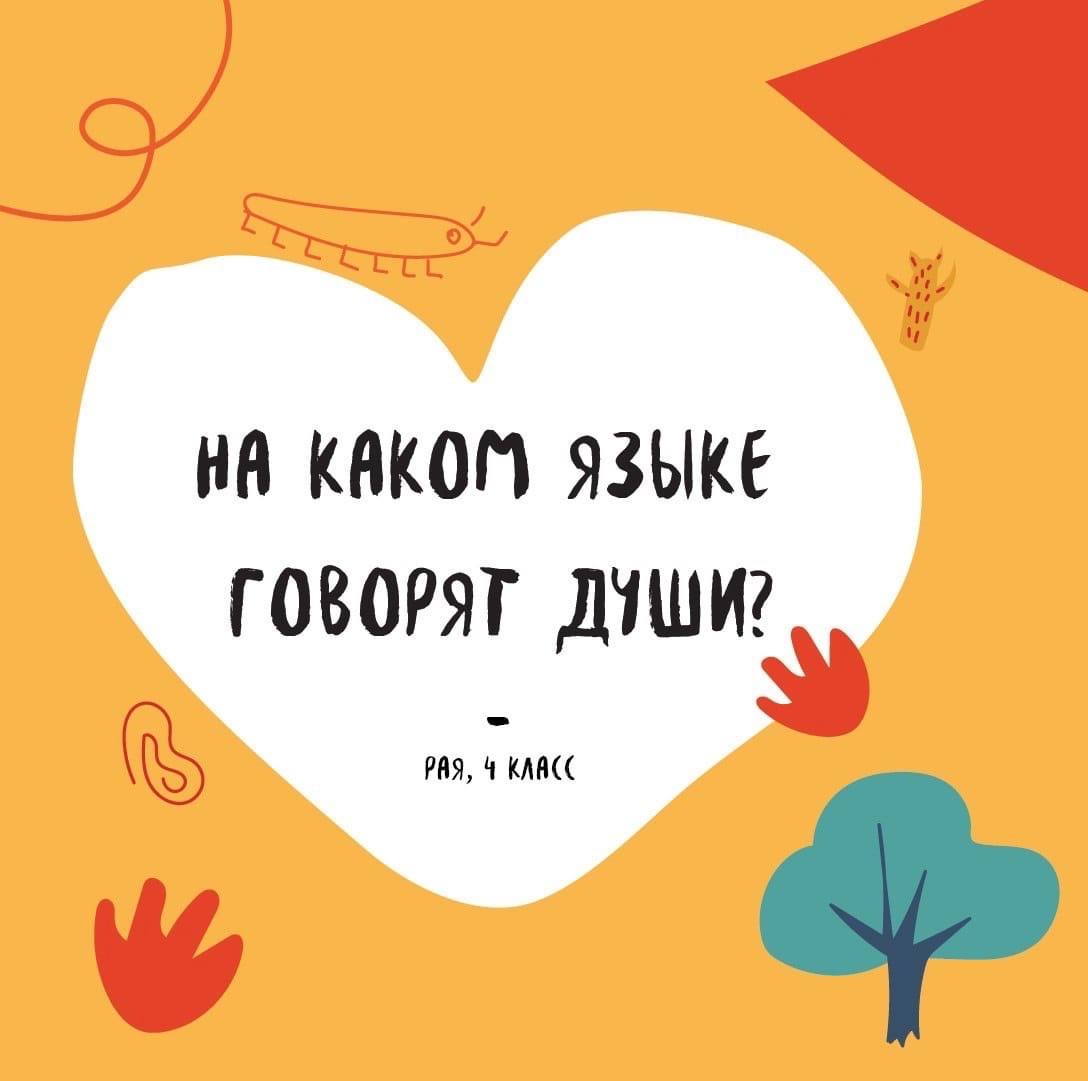
«What language do souls speak?» Raya from the 4th grade
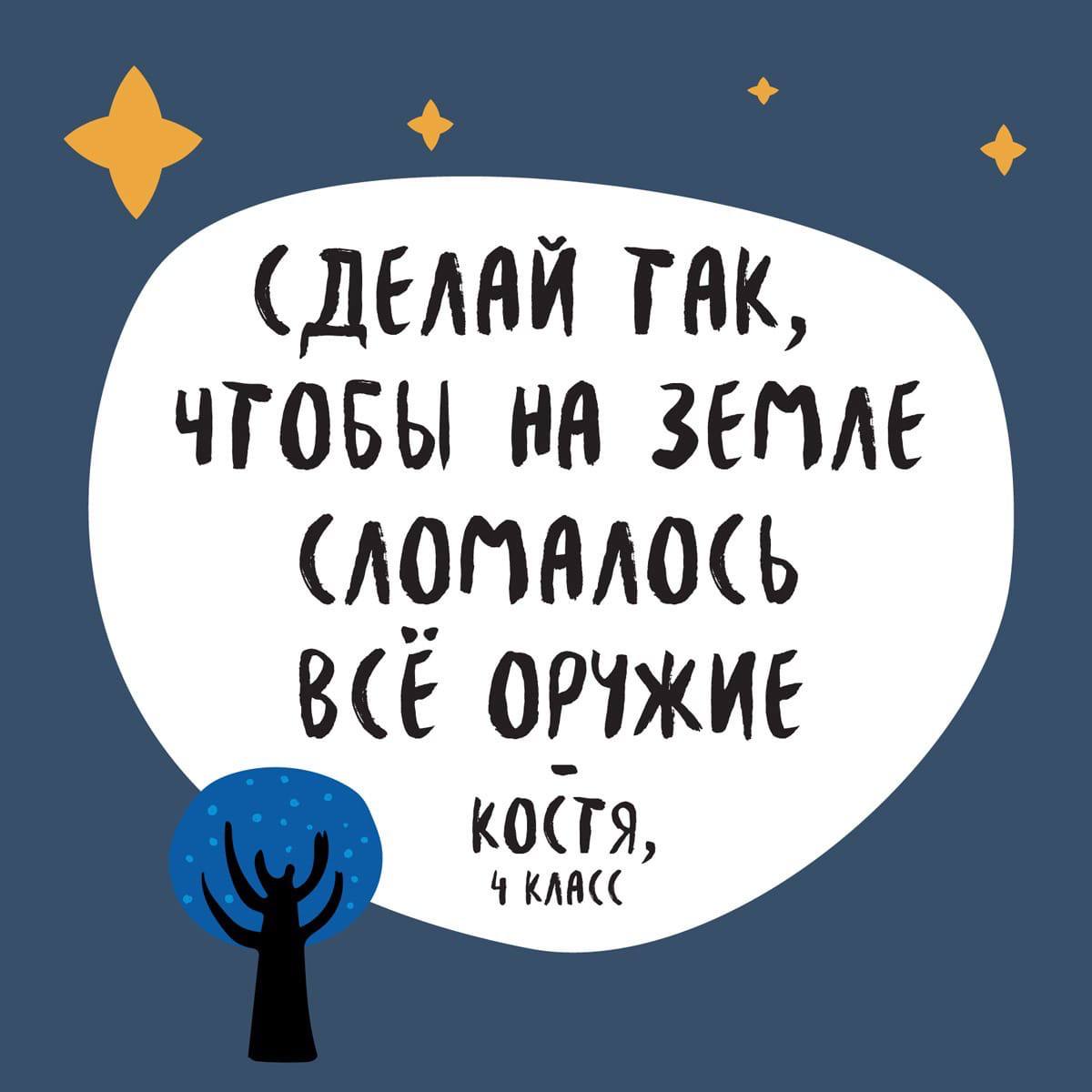
«Do something to break all the weapons on Earth» Kostya from the 4th grade
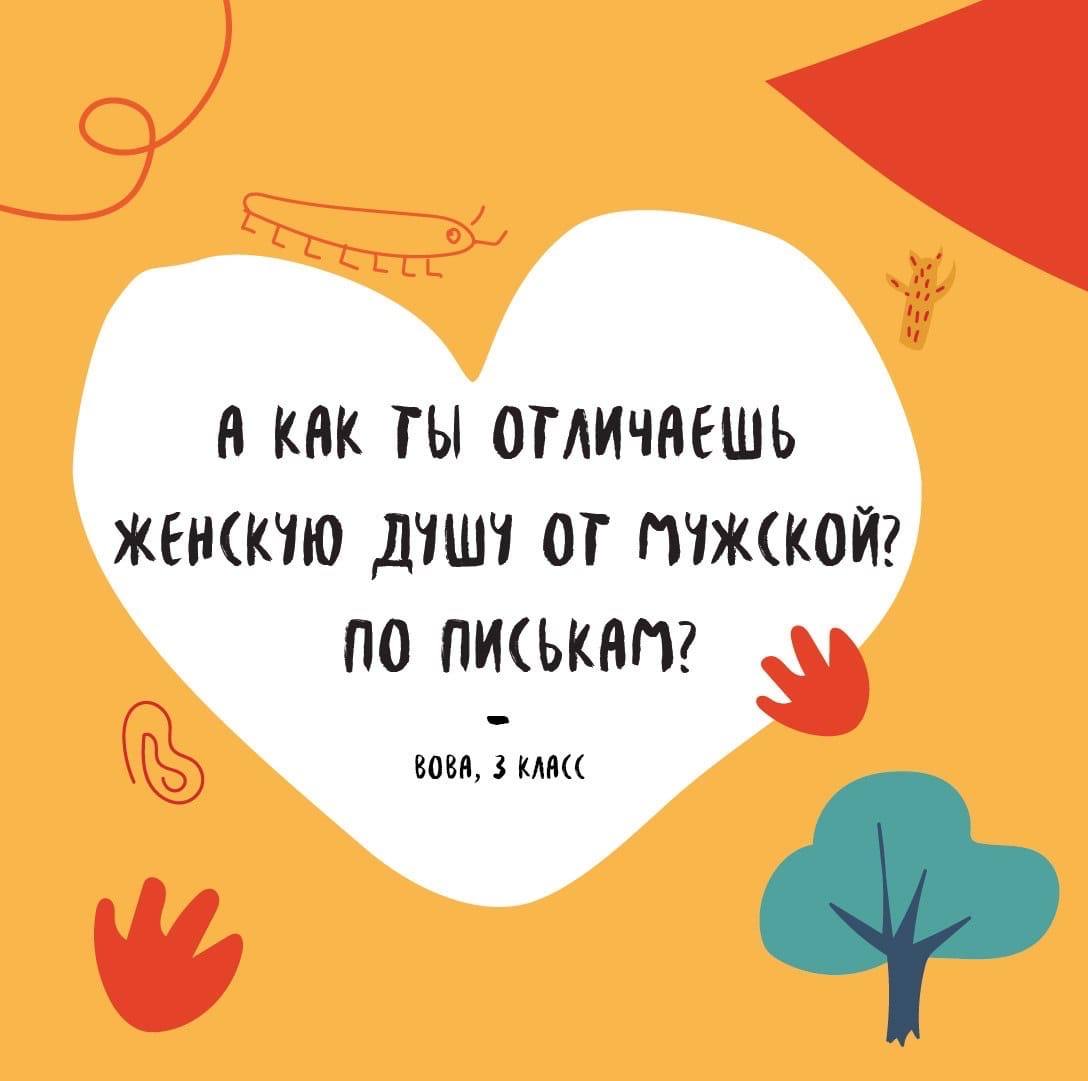
«So how do you distinguish a woman’s soul from the man’s one? By genitals?» Vova from the 3rd grade
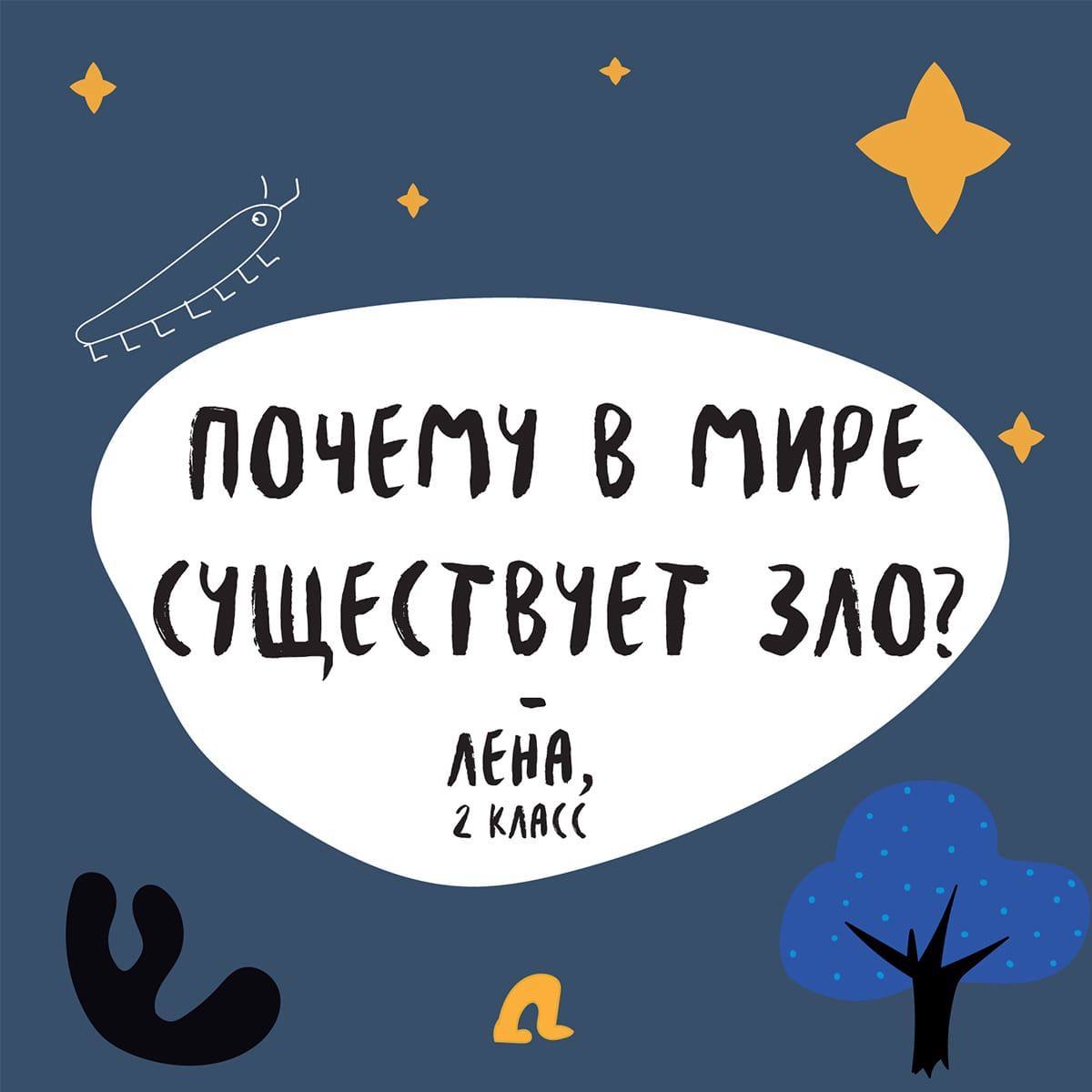
«Why is there evil in the world?» Lena from the 2nd grade
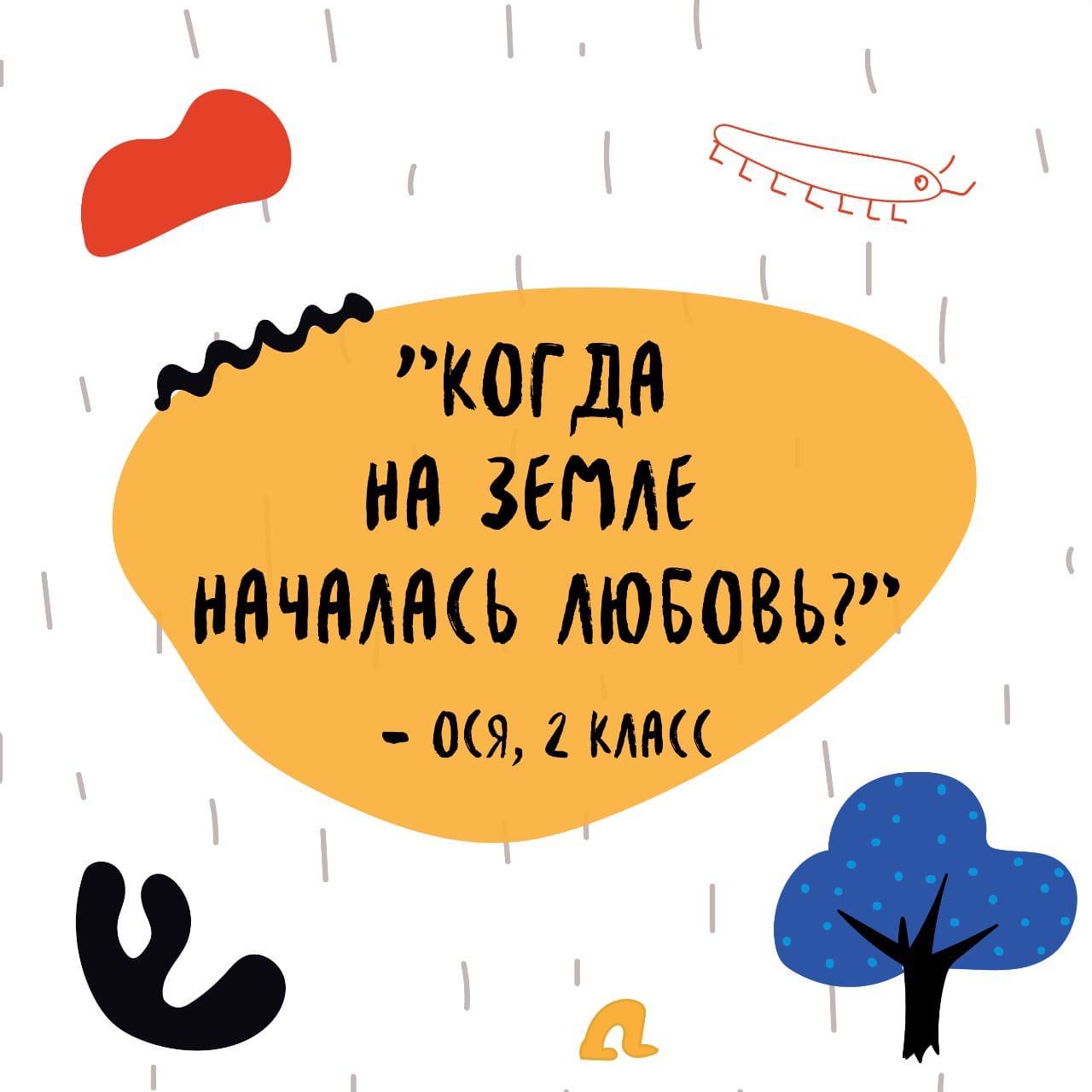
«When did Love begin on Earth?» Osya from the 2nd grade
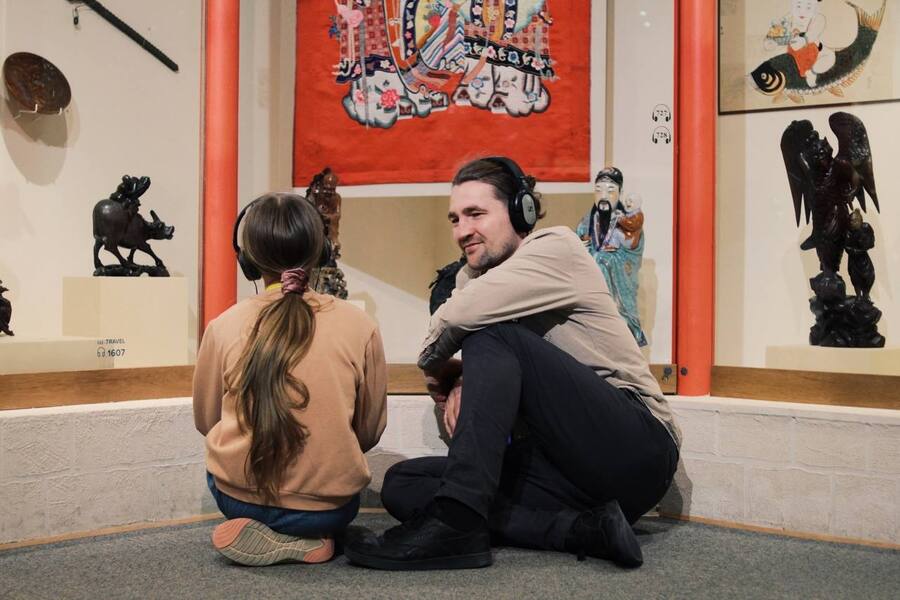
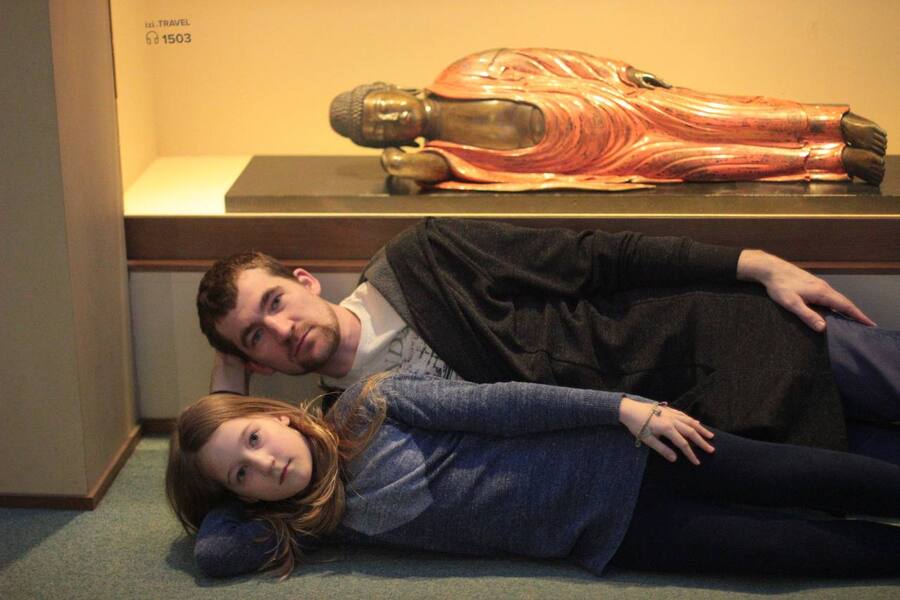
The collaboration here takes place in the intimate space of a couple of children and parents, turning them from passive viewers into co-authors of the adventure.
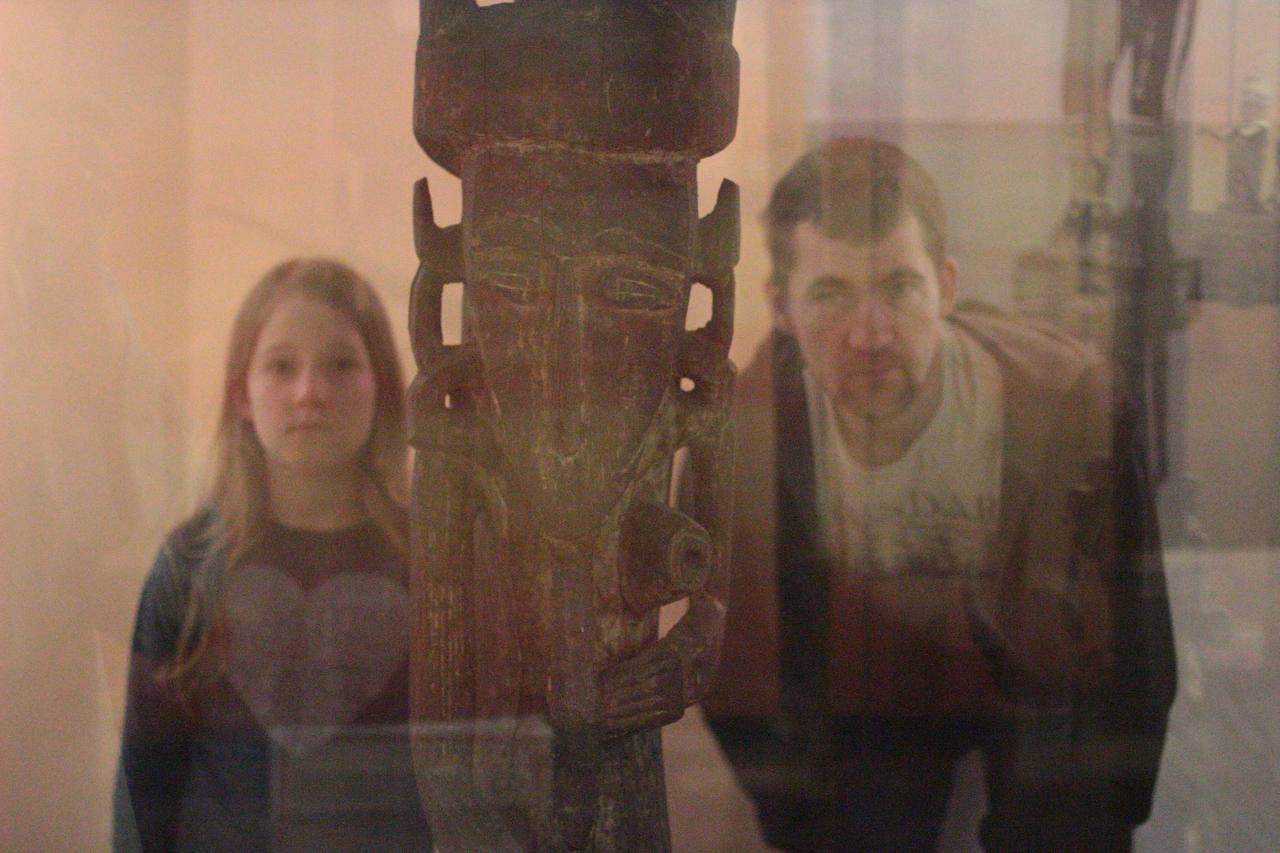
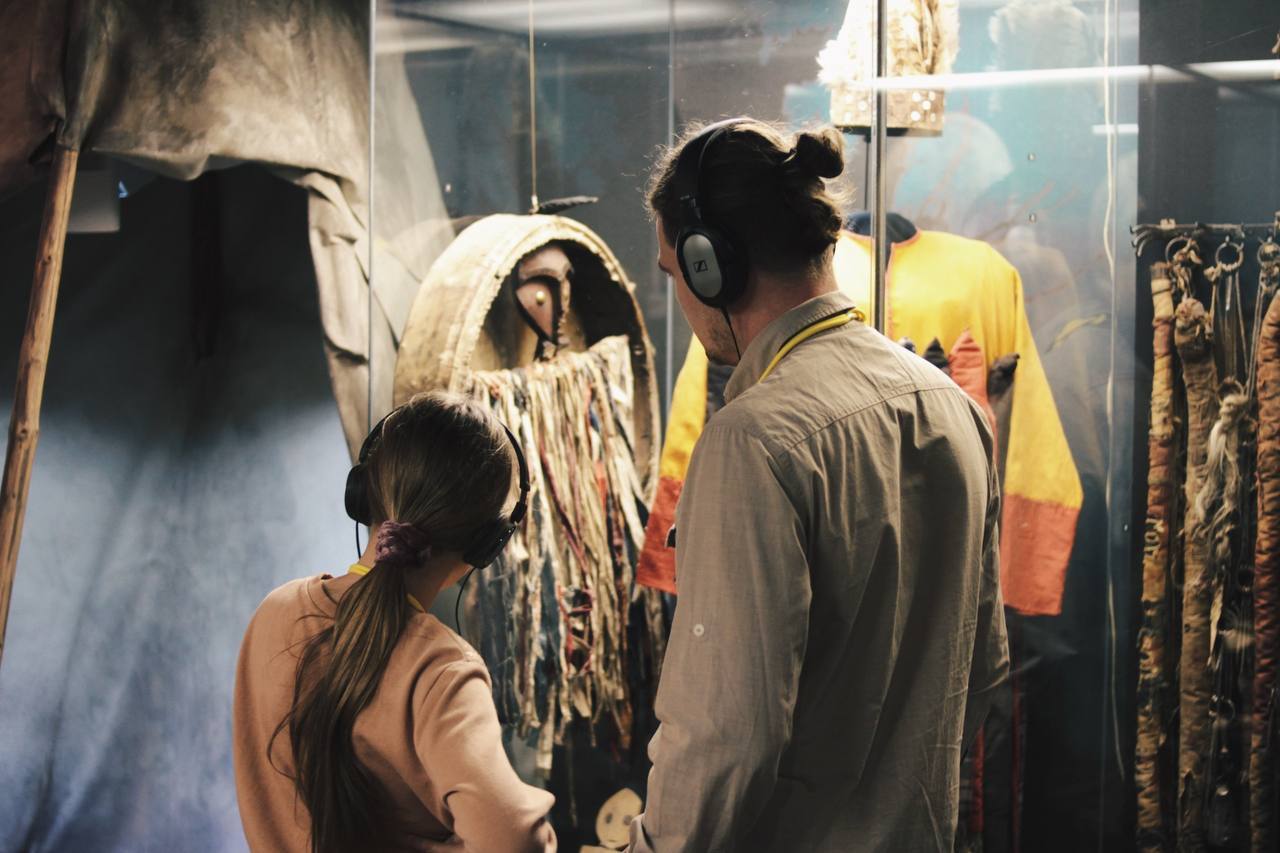
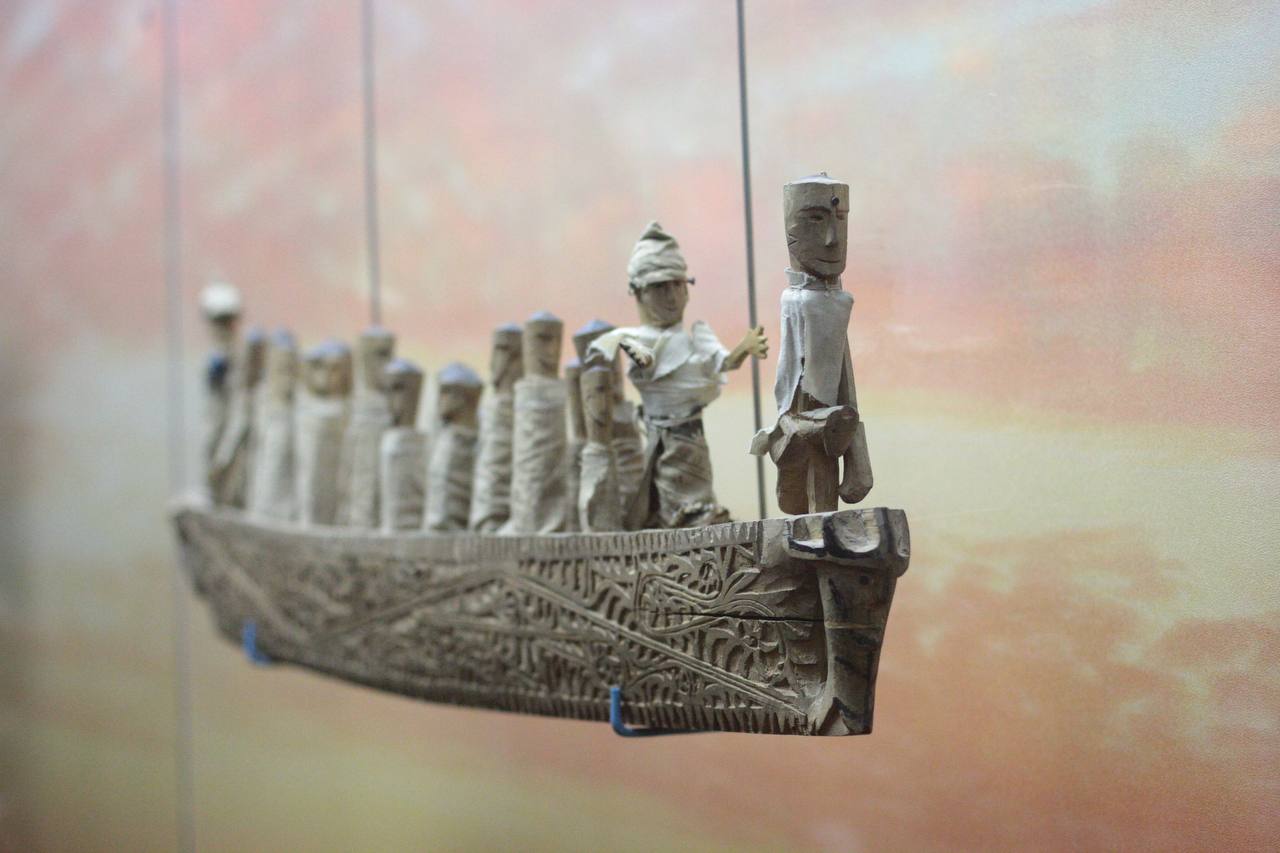
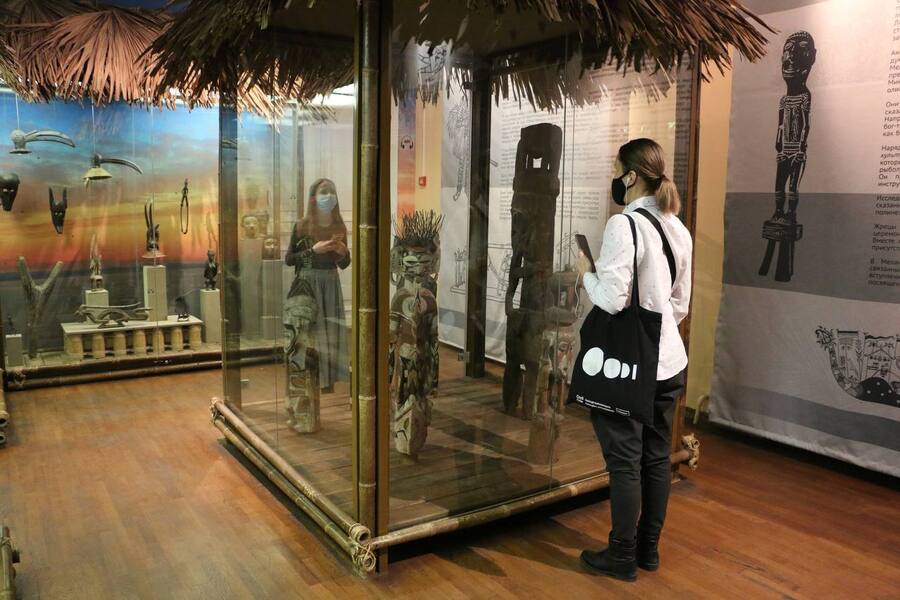
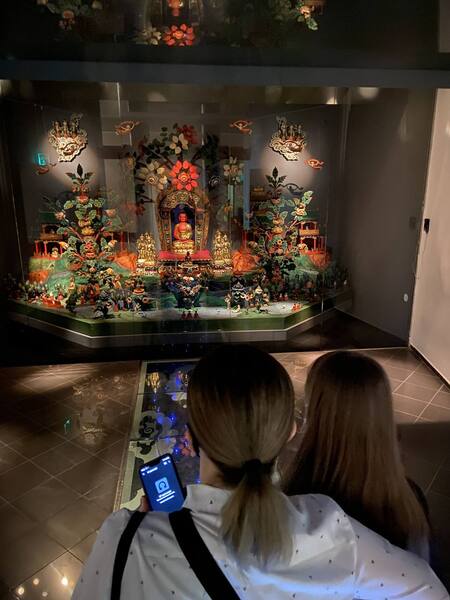
The voices of characters suddenly burst into the audio tour — either ancient gods, or travelers lost in the centuries. They turn to listeners for help, turning the narrative into a quest.
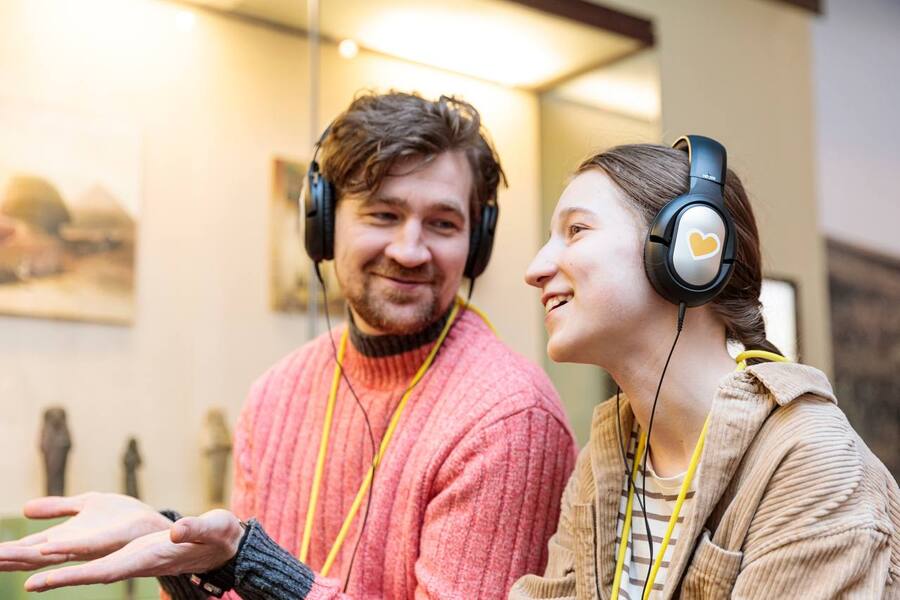
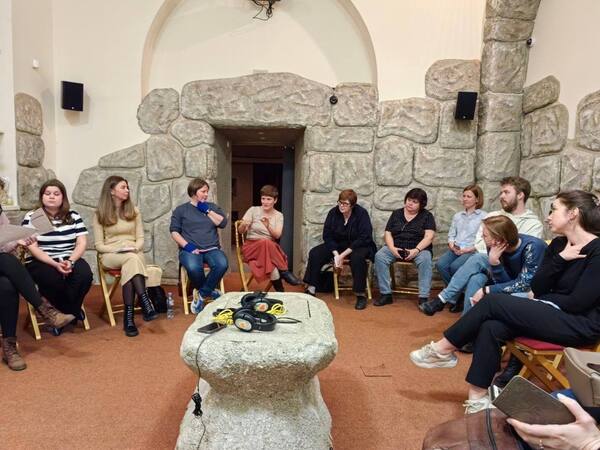
However, the most important thing in this adventure is hugging. This directorial technique embodies the main idea: «Intimacy is the answer to many questions».
«Playing the Lyre»
Directed by Evgenia Ivanova
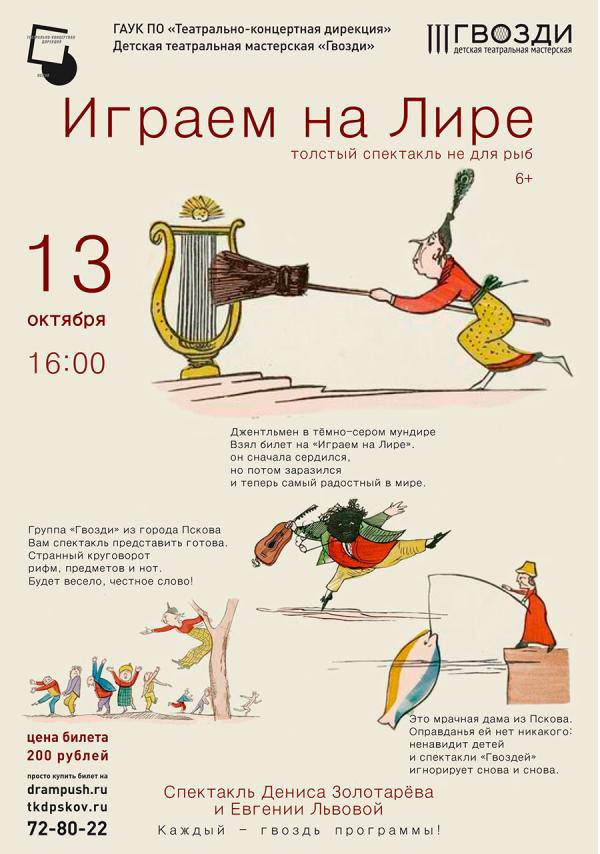
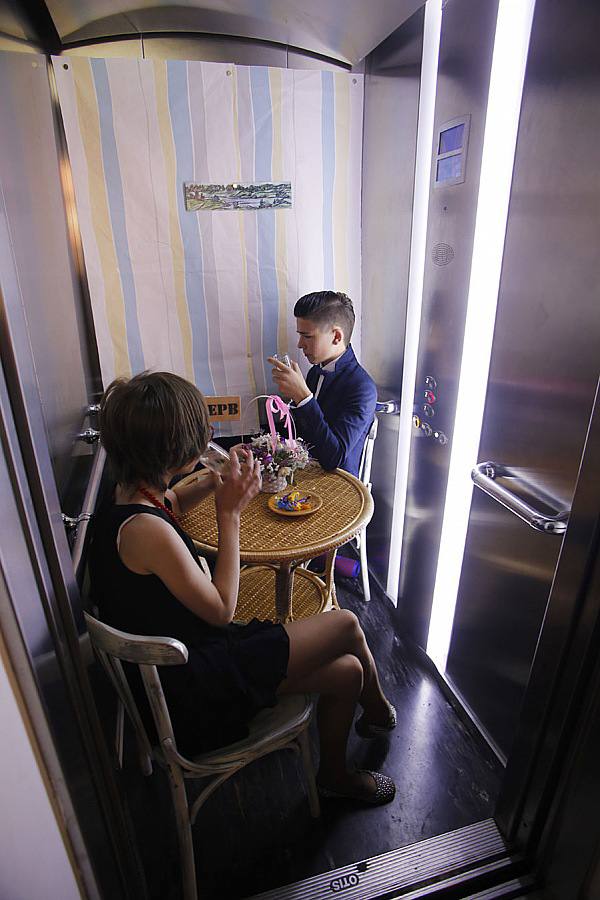
This is an early project directed by Evgenia Lvova, which was also created at Pskov Theater. The performance consists of three acts.
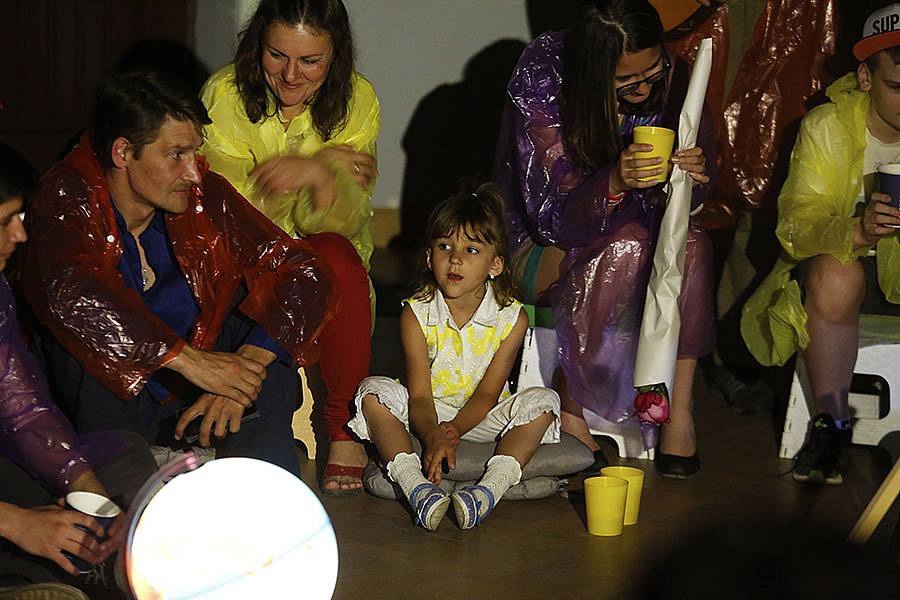
In the first act, the audience receives colored raincoats and sits around a paper bonfire drinking compote. By throwing toilet paper rolls into the «bonfire», they are physically involved in the process, where they become the participants in the ritual. The actors, standing out from the crowd, read the absurdist works of Edward Lear, similar to tourist jokes.
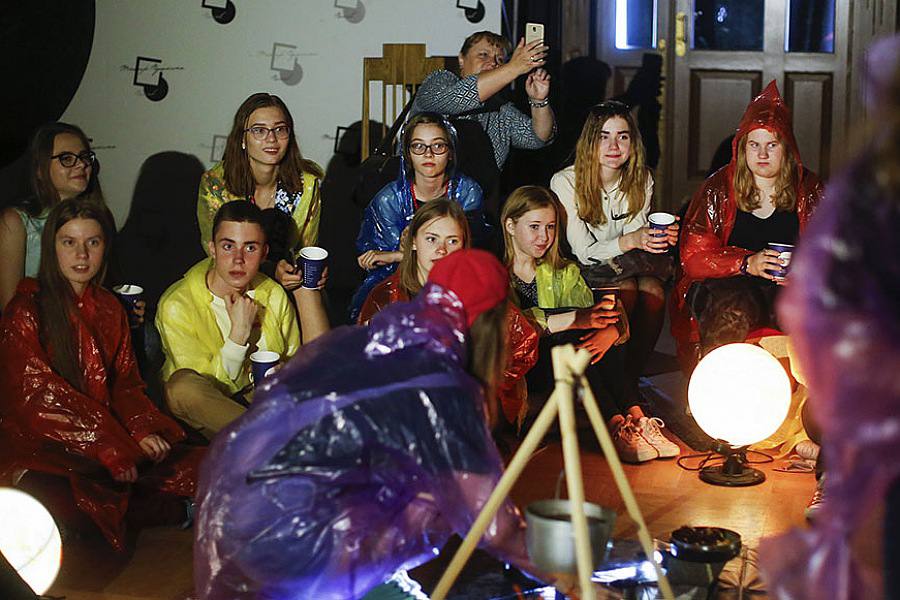
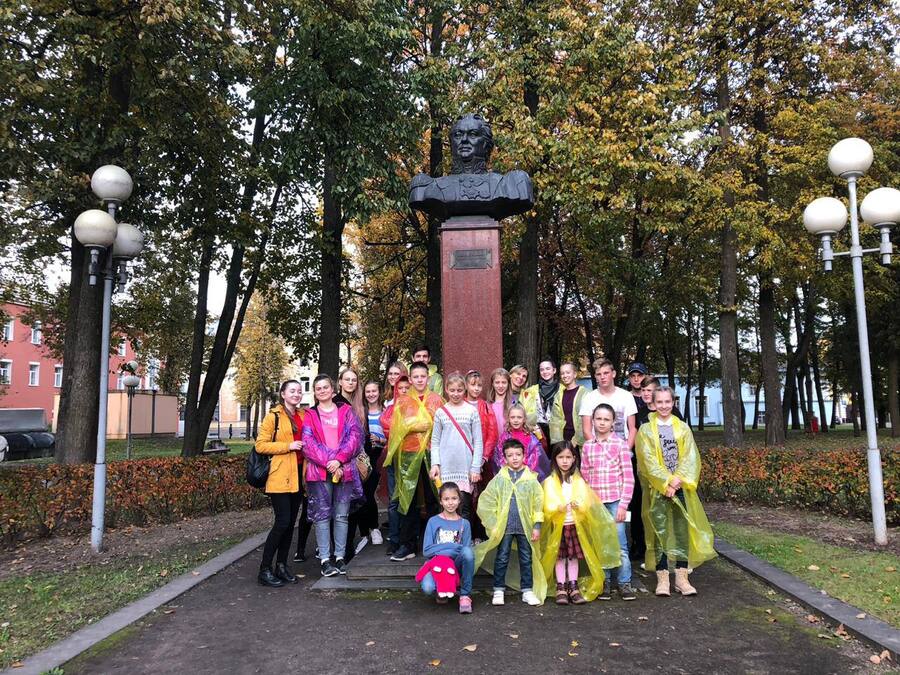
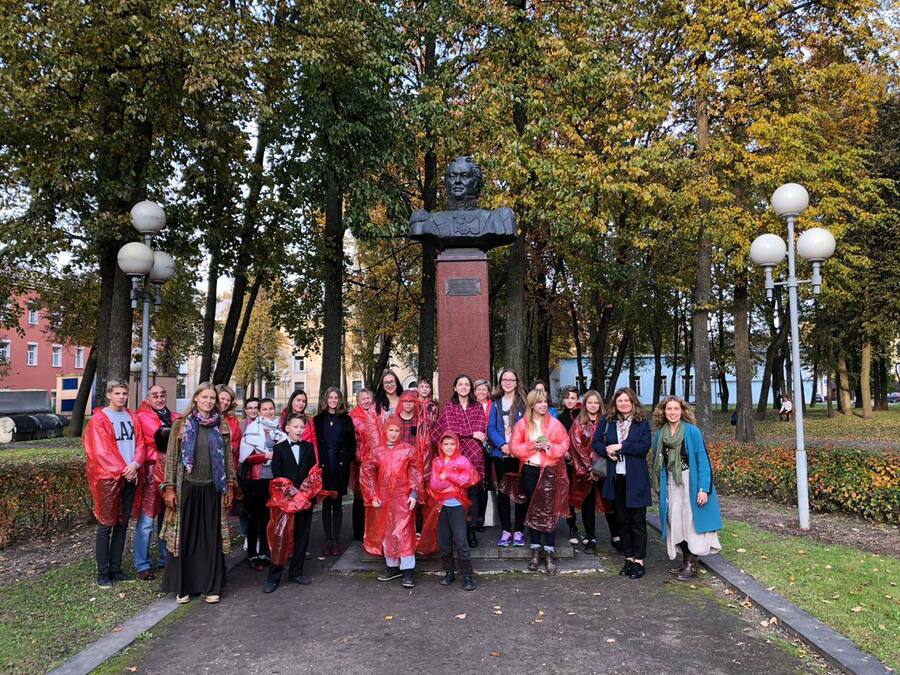
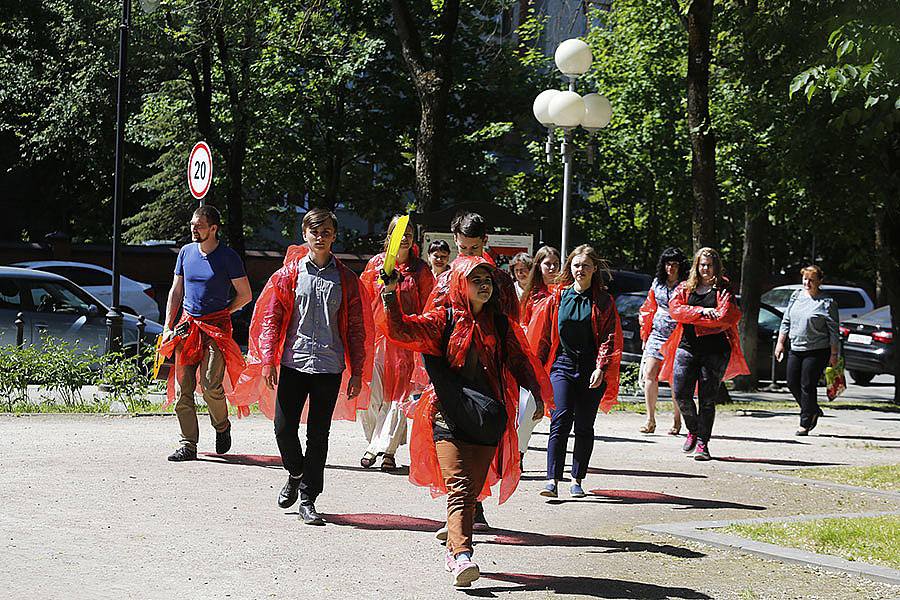
The second part introduces the participants to the urban environment. Divided into the groups according to the colors of the cloaks, the audience goes on a tour of the territory around the theatre. The actors-guides mix real facts about this place with absurd poems and game instructions (for example, about a trash can that grants wishes). The urban space becomes a co-author, and the viewer becomes a co-researcher.

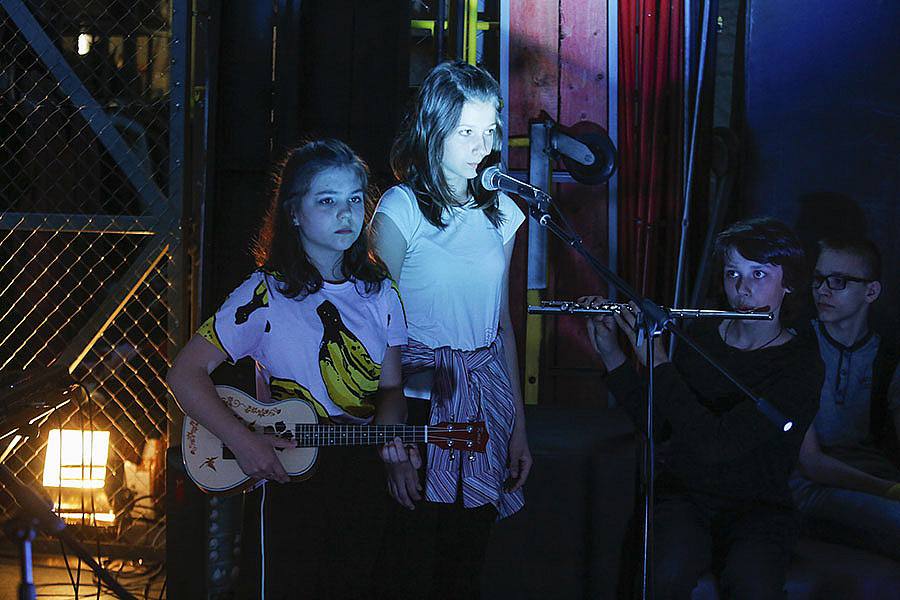
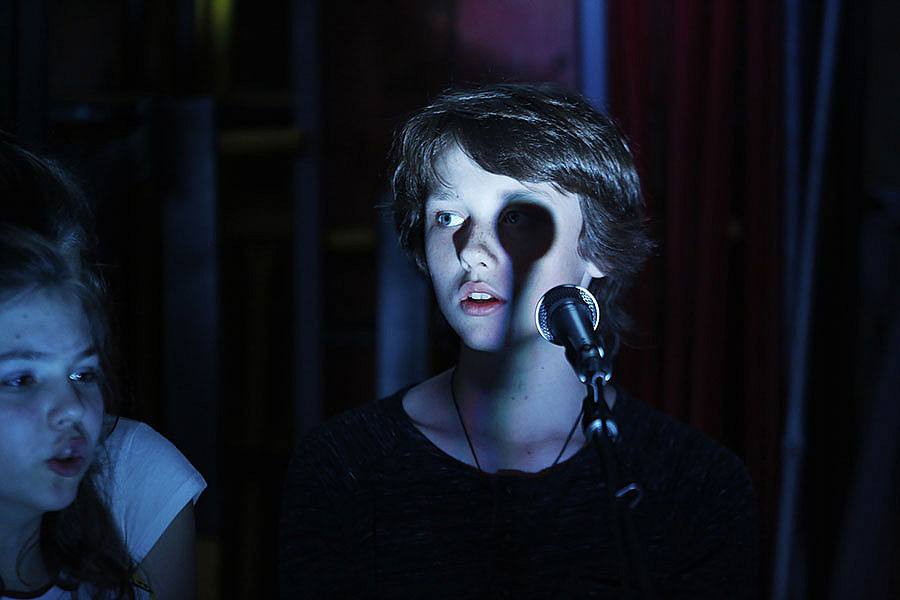
In the third and final act, the action takes place in the warehouse of the theater, in a room usually hidden from the eyes of the audience. Having gathered among the old props, the participants get to the final concert. The songs that are played at the concert are a semantic continuation of the works of Edward Lear from the first part.
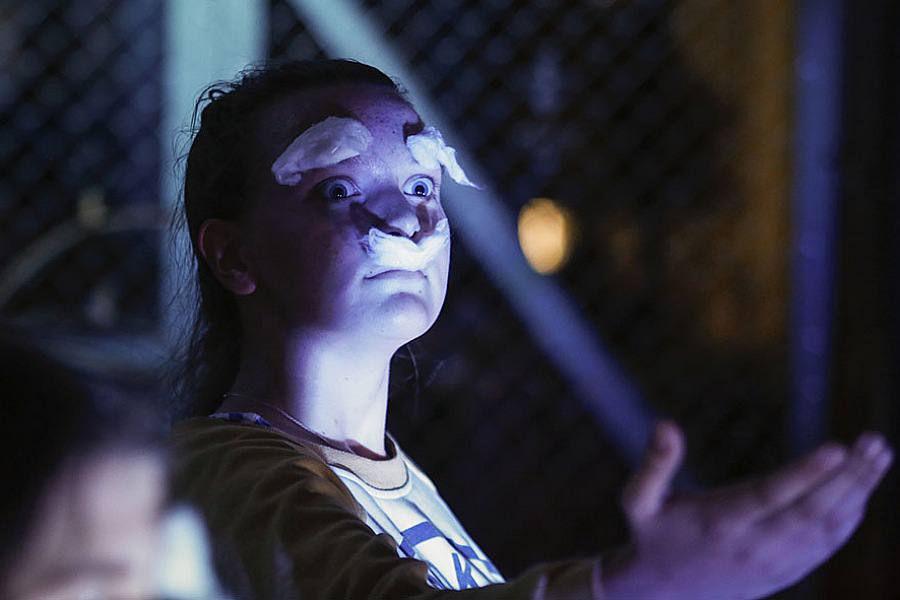

Viewers who have walked all the way from the bonfire across the city to this intimate «backstage» do not just feel like viewers, but are initiated into a secret brotherhood.
«The Puh and Prakh» theatre. Moscow Promenade performance «Gypsies»
Directors Ethel Ioshpa, Alyona Smirnitskaya
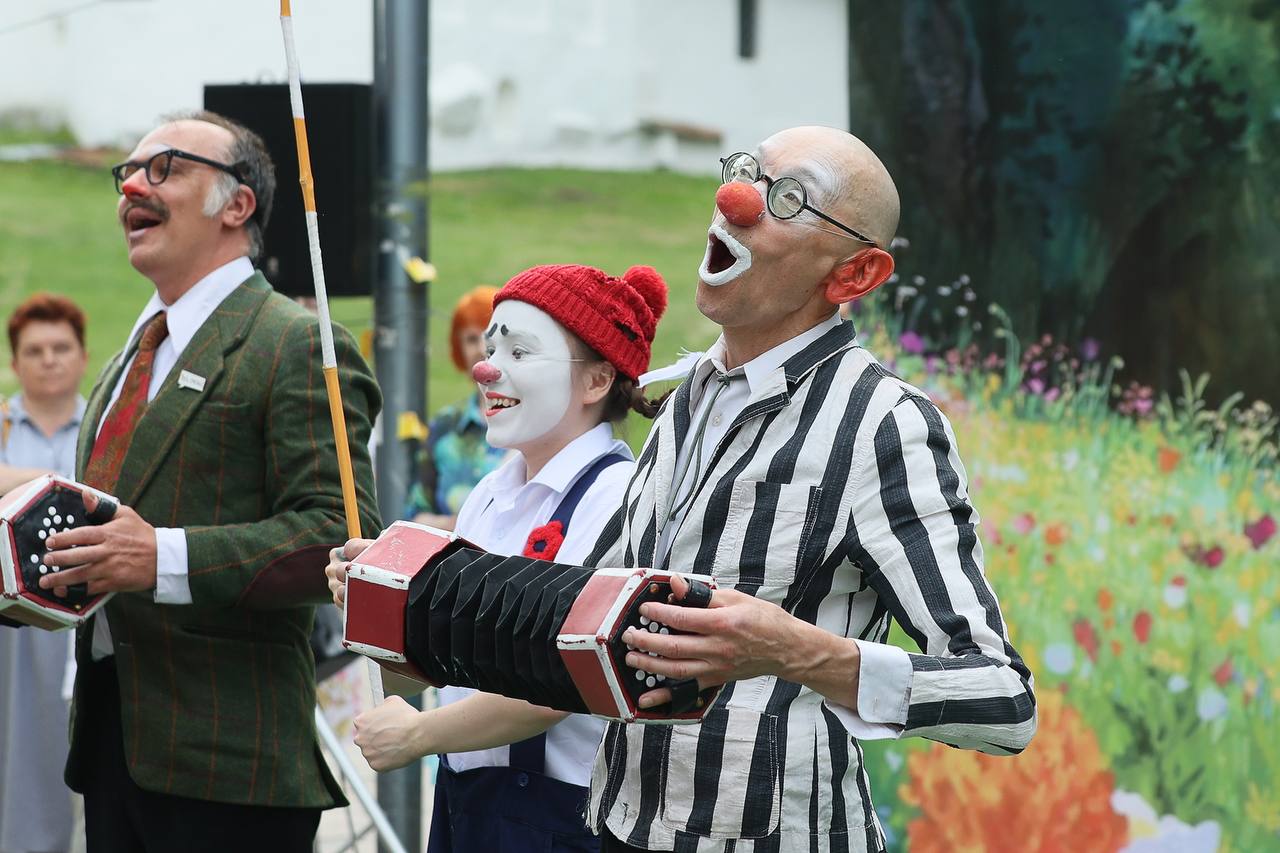
«The Puh and Prakh» theatre is based on a synthesis of mystery, clowning, high opera, circus farce and performance. This is a unique method that arises at the junction of theatrical genres and requires constant internal cooperation from all participants — actors, artists, musicians.
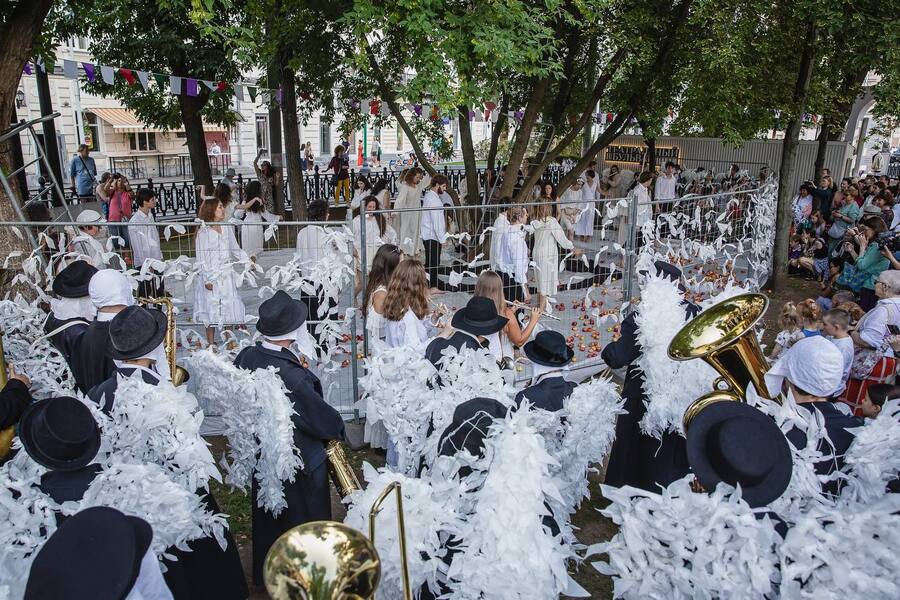
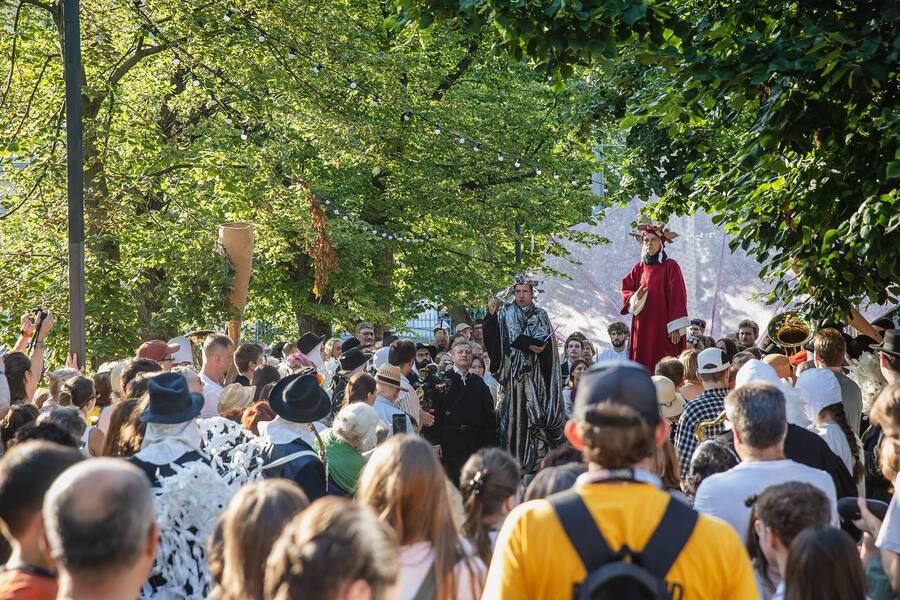
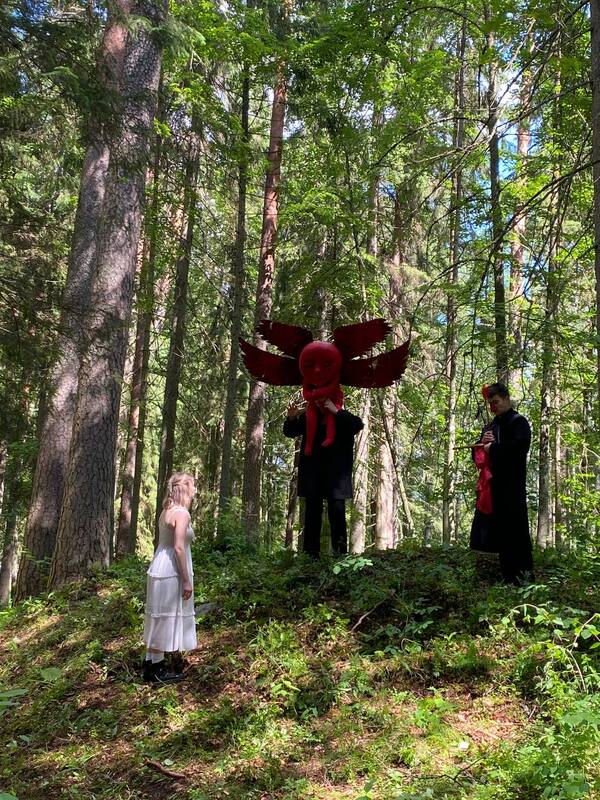
A vivid embodiment of this philosophy was the performance-promenade «Gypsies», created for the Days of Pushkin’s poetry in the Pushkin Mountains near Pskov. On hot June days in the middle of the forest, on the land that preserves the memory of the poet, the action begins with the appearance of surreal figures of gypsy actors. The classic text of Pushkin’s poem is not proclaimed from the stage, but is born from this lively, almost ritualistic action, intertwined with the rustle of leaves and forest silence.
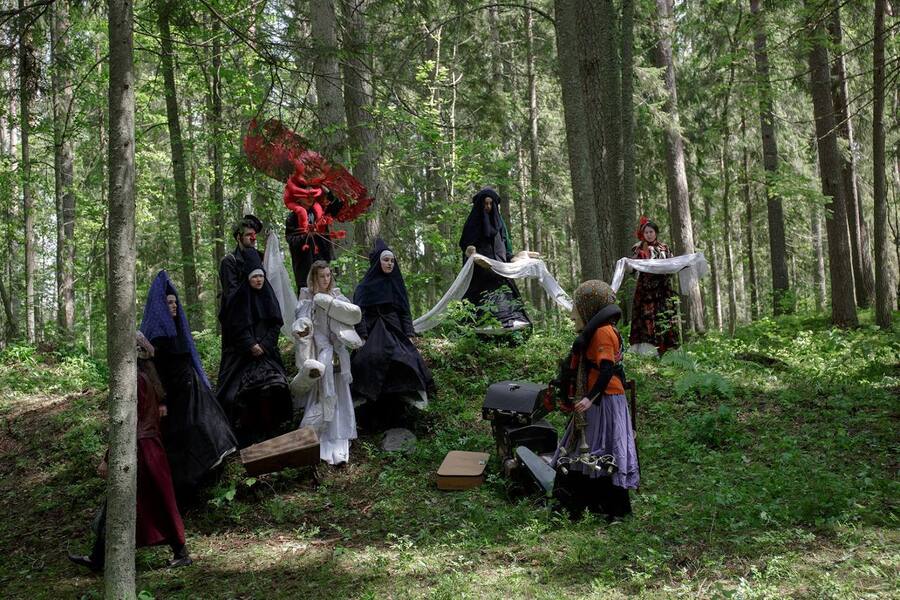
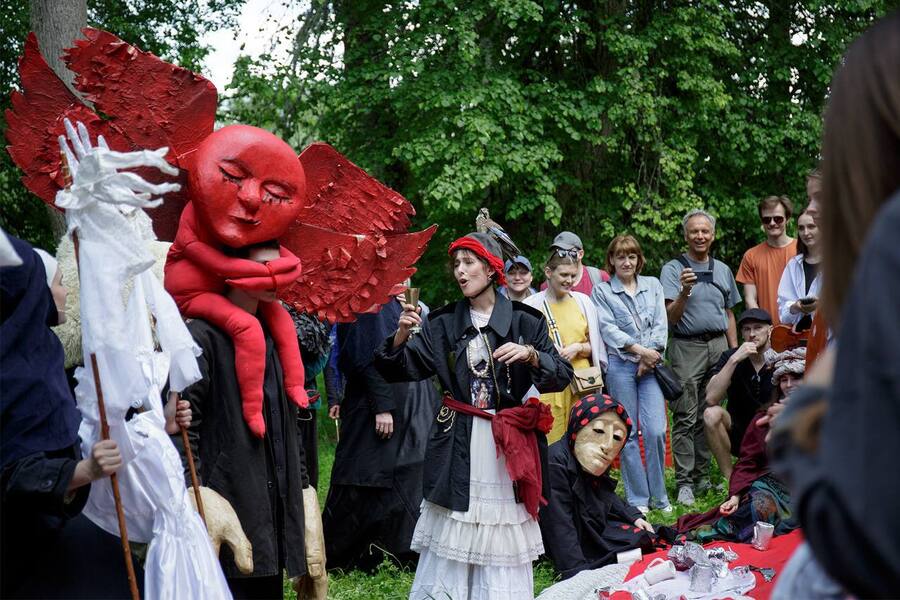
The audience here becomes a part of a nomadic camp, moving along forest trails with the actors, participating in improvised scenes and fortune-telling.
Art here is not an any product, but a living, nomadic process of communication in the present.
Conclusion
The examples examined show that modern art collaboration is not just a collaboration on a work, but a way for art to exist in a world where the boundaries between stage and hall are blurred. These projects show how, thanks to joint actions, not only new forms are born, but new communities as well. Art ceases to be the end product; it becomes the very situation of meeting, dialogue and exchange of experience.
This is its main strength today — not in creating timeless masterpieces, but in its ability to be a catalyst for human intimacy, social change, and meaningful presence in the here and now.